

Shawn Layden says costs have doubled each PlayStation generation, and offers a fix
The former PlayStation first-party boss argues double-A is the pressure release for game budgets that keep rising.
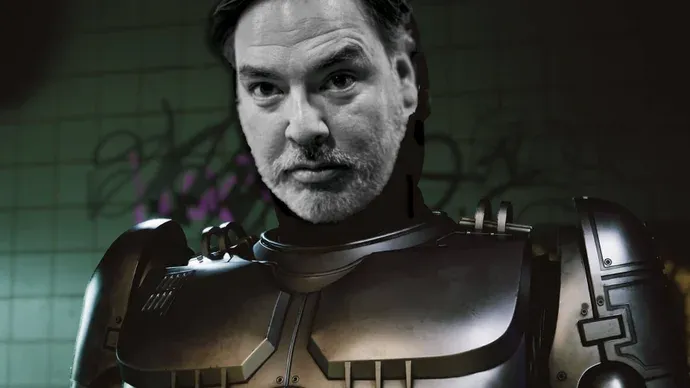
Shawn Layden, formerly the boss of PlayStation's first-party studios, says the industry cannot keep funding blockbuster games at today’s pace. He tells Tom Phillips that every generation it costs twice as much to build a game, and he wants to bring back double-A to save development.
Shawn Layden, the former PlayStation executive who ran the company’s first-party studios, is making his case again for a less expensive way to build games. In a conversation with Tom Phillips, he put the blunt math on the table: “Every generation it costs twice as much to build a game.” That is the headline, and also the alarm bell.
Layden’s core point is that blockbuster game development is unsustainable under current cost trajectories. If it is true that each console generation effectively doubles build costs, then the business model has to do one of two things: either revenues scale even faster than costs, or the industry changes what it chooses to fund. His proposed direction is to bring back double-A games, a middle tier aimed at delivering meaningful experiences without requiring the kind of blockbuster budgets that force studios into riskier, higher-stakes production.
Why is this such a big deal for decision-makers, beyond the obvious “games are expensive” headline? Because the cost spiral affects everything upstream of a release date. Higher budgets typically mean longer development cycles, more staff, more vendor spend, and more time in the critical path where plans can break. When teams get bigger and schedules stretch, the margin for error shrinks. That pushes publishers and platform holders to demand stronger certainty: proven franchises, heavier marketing spend, and more aggressive financial targets. Even if demand for games stays strong, the cost structure can turn growth into volatility.
Layden’s history matters here because he is not speaking as a random commentator. He led PlayStation’s roster of first-party studios, which means he has been on the inside of the tradeoffs between creative ambition and financial survivability. First-party rosters typically require platform-level commitments: budgets and timelines that the organization cannot just cancel without consequences. In that context, the statement that “Every generation it costs twice as much to build a game” is not just about engineering effort. It is about how the entire studio system gets funded and managed, including headcount scaling, toolchains, production risk, and the expectations that flow from a platform’s strategy.
This is where the “double-A” idea becomes more than nostalgia for older game sizes. In an industry that currently concentrates attention and investment on top performers, double-A is a way to rebalance the portfolio. Instead of betting the farm on one or two massive launches, a publisher can aim for more product variety, more chances to find audiences, and potentially more predictable unit economics. Smaller scope does not mean smaller ambition. The point is to make the cost and risk profile fit the realities of distribution, audience attention, and operating leverage.
There is also a governance angle boards and investors should care about. When costs rise every generation, the risk shifts from execution to funding. That changes what stakeholders evaluate: not only whether a studio can ship, but whether a company can finance multiple pipelines at once. If a single launch takes years of capital and carries a high probability of misses, then capital allocation becomes a tighter, more political process inside organizations. It can also affect partnership dynamics across the ecosystem, because studios that want to operate in a sustainable middle tier may seek different publishing models, different marketing plans, and different distribution assumptions.
Second-order effects follow quickly. If double-A grows, it can change how discovery works for players, because audiences get more frequent touchpoints with distinct experiences. It can also shift how talent moves, because studios might hire and structure teams differently than they would for AAA scale. For platform holders, the portfolio shift could influence subscription economics and engagement metrics, since more titles can mean more moments of play even if individual releases are not record breakers.
The strategic stakes are clear. Layden is arguing that the industry must evolve, not just iterate. If costs truly double each generation, then incremental efficiency gains alone might not be enough. Decision-makers who control budgets, slate planning, and studio investment will need to ask whether they are building a machine designed for a past cost curve, or whether they can pivot the development tiering so the model survives the next generation, too.
In short, Layden’s plan is rooted in a blunt thesis: blockbuster economics are cracking under compounding production costs, and double-A is a lever to restore balance. For founders, publishers, investors, and platform executives, the question is not whether the statement is dramatic. It is whether the numbers imply a structural change you can afford to ignore.
This story's Key Insights and Take-aways are locked.
Create a free account to unlock Executive Actions for one credit.
Register to UnlockAlways free for Executives Club members. Join the Club
More in Entertainment

'It's a Magic Trick': Ballet Experts Say Rosalía's SNL Pose Is Impossible
Three ballet experts tell Rolling Stone Rosalía's gravity-defying SNL stillness shouldn't be possible - and why the debate is now part of the show.

Activision CMO: GTA 6 Will Boost Call of Duty, Not Bury It
Activision's top marketer says Rockstar's blockbuster will drive players back to consoles and into Modern Warfare 4, even as the company admits its recent strategy failed.
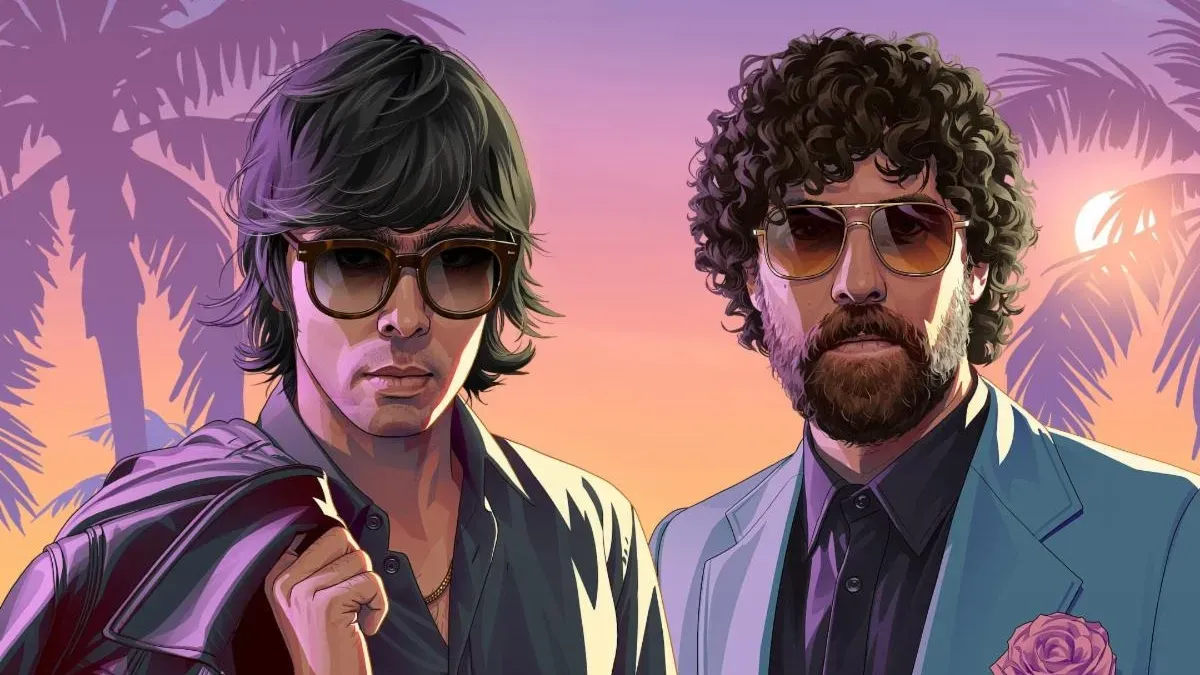
Justice to Score GTA 6, Share New Song with Tame Impala, SZA, King Gizzard
Rockstar taps the French duo for the GTA VI score, and the first taste is a genre-melting collab with Tame Impala, SZA, and King Gizzard & The Lizard Wizard.