

Shawn Layden tells Xbox: pick publisher or platform, because you cannot do both
The former PlayStation boss warns that trying to be everything breaks focus, incentives, and the economics of console growth.
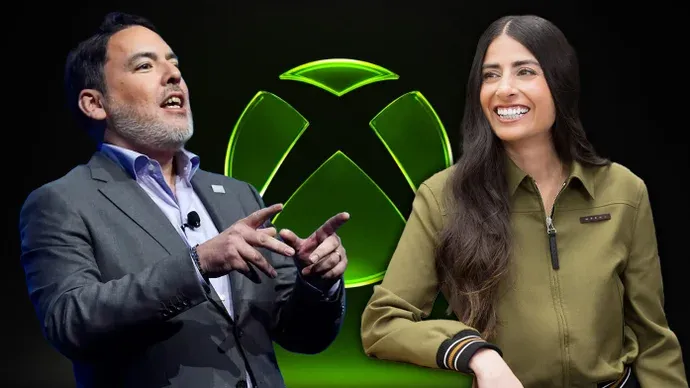
Shawn Layden, the former PlayStation leader from Sony who oversaw first-party studios before leaving in 2019, argues Xbox must choose between being a publisher or a platform. His point is a strategic reckoning for leaders trying to balance content control with distribution reach.
Shawn Layden, the former PlayStation leader at Sony, says Xbox needs to make a choice. His message is simple, but the stakes are not: be a publisher or be a platform, but you can't be both.
Layden is not speaking from theory. Few people know more about running a successful console business than him. He was there at Sony when the PlayStation dream was first imagined, and over the course of three decades he helped realize and shape it. He was there for PlayStation 1, 2, 3, and 4, and he helped lead the Japanese side of the business as well as the American and European sides. By the time he left in 2019, Layden was overseeing the company's 13-strong roster of first-party studios. In other words: he lived through the tradeoffs that console makers face when the game business and the hardware business are tangled together.
So why does his publisher-or-platform framing land so hard for Xbox right now? Because the console industry is basically a competition between two kinds of power. Publisher power comes from owning enough valuable games, or at least controlling the conditions that allow them to be made, marketed, and shipped on your ecosystem. Platform power comes from controlling distribution and access, building network effects around users and developers, and creating frictionless routes to discover and play.
Trying to do both can sound like the “best of all worlds” strategy. But the console world punishes diluted incentives. If you act like a publisher, you need to prioritize content pipelines, developer relationships, production timelines, and creative risk. If you act like a platform, you need to prioritize reliability, performance, developer tooling, storefront economics, and the long-term rules of the ecosystem. Those are different muscles. Layden’s core point, read through his lived experience with first-party studio oversight, is that leadership attention and economic incentives can pull in incompatible directions.
That matters because every console generation has a timing problem. Hardware cycles move in years. Game development cycles move in years too, and the market mood can swing faster than planned. When you are a pure platform, you can lean on a broader catalog and let others carry more of the creation burden. When you are a publisher, you carry more of the risk and you also capture more of the upside, but you must commit to the content strategy even when the hardware curve changes.
Layden’s background also hints at what he thinks “choice” really means at the board level. By 2019, he was overseeing 13 first-party studios at Sony. That scale is not casual. It implies governance, capital allocation, and performance expectations across a portfolio of development teams. Decisions about which franchises get built, how production is resourced, and how studios are supported cannot be separated from platform decisions about hardware strategy and system economics. That is precisely why the publisher-versus-platform tension exists. It is not just marketing language. It is budgeting language.
There is also a broader industry reality that executives can’t ignore. Console distribution is not just a business model anymore. It is regulated and scrutinized in multiple jurisdictions, and platform rules can face competition questions. Even when you are not discussing regulation explicitly, platform and storefront control can change the nature of the scrutiny. Publisher control can also create different concerns, especially around exclusivity and access. For leadership teams, the risk is not only financial. It is strategic optionality: who gets blamed when the ecosystem feels closed, or when content pipelines stall.
The second-order implication for peers is that “being a platform and a publisher” can create internal mismatches. The platform side may push for broad adoption and shared economics. The publisher side may push for tighter control, clearer attribution of value, and incentives that favor your own studios. When those pressures collide, it can show up as inconsistent messaging to developers and consumers, or as uneven allocation of resources across initiatives.
Layden is essentially saying you need to decide which story you are telling with your money, your talent, and your roadmap. You can build strength in content. Or you can build strength in distribution. But if you try to do both without a clear prioritization, the console business can become a balancing act that pleases nobody. Xbox leadership teams, and any executives watching the category, should treat that as a strategic warning: focus is not just a vibe. It is an economic requirement, and it becomes obvious the moment your ecosystem has to deliver value week after week, release after release, across a full hardware cycle.
This story's Key Insights and Take-aways are locked.
Create a free account to unlock Executive Actions for one credit.
Register to UnlockAlways free for Executives Club members. Join the Club
More in Entertainment

12TB Steam 'teraleak' goes beyond Valve: GTA 3, Mafia 2 prototypes exposed
A 12-terabyte dump of Steam data reveals prototypes and builds of third-party classics like GTA 3 and Mafia 2, plus unreleased Valve content, rewriting game history.

LinkedIn's romance problem: 1 in 4 workers say dating on it is fair game
A new survey shows a quarter of U.S. employees treat the professional network as fair game for romance, even as LinkedIn bans it and removes hundreds of thousands of offending posts.

Enhypen's first No. 1 album breaks K-pop's Billboard 200 streak
The K-pop group's 98,000-unit debut tops the chart while Dolly Parton's catalog reentry shows how death reshapes streaming.