
Shein CEO loses $15B as IPO values his stake at $8B
The fast-fashion giant's Hong Kong debut at a fraction of its 2022 peak cuts founder Sky Xu's net worth to $8B, signaling a shift in investor appetite from e-commerce to AI.
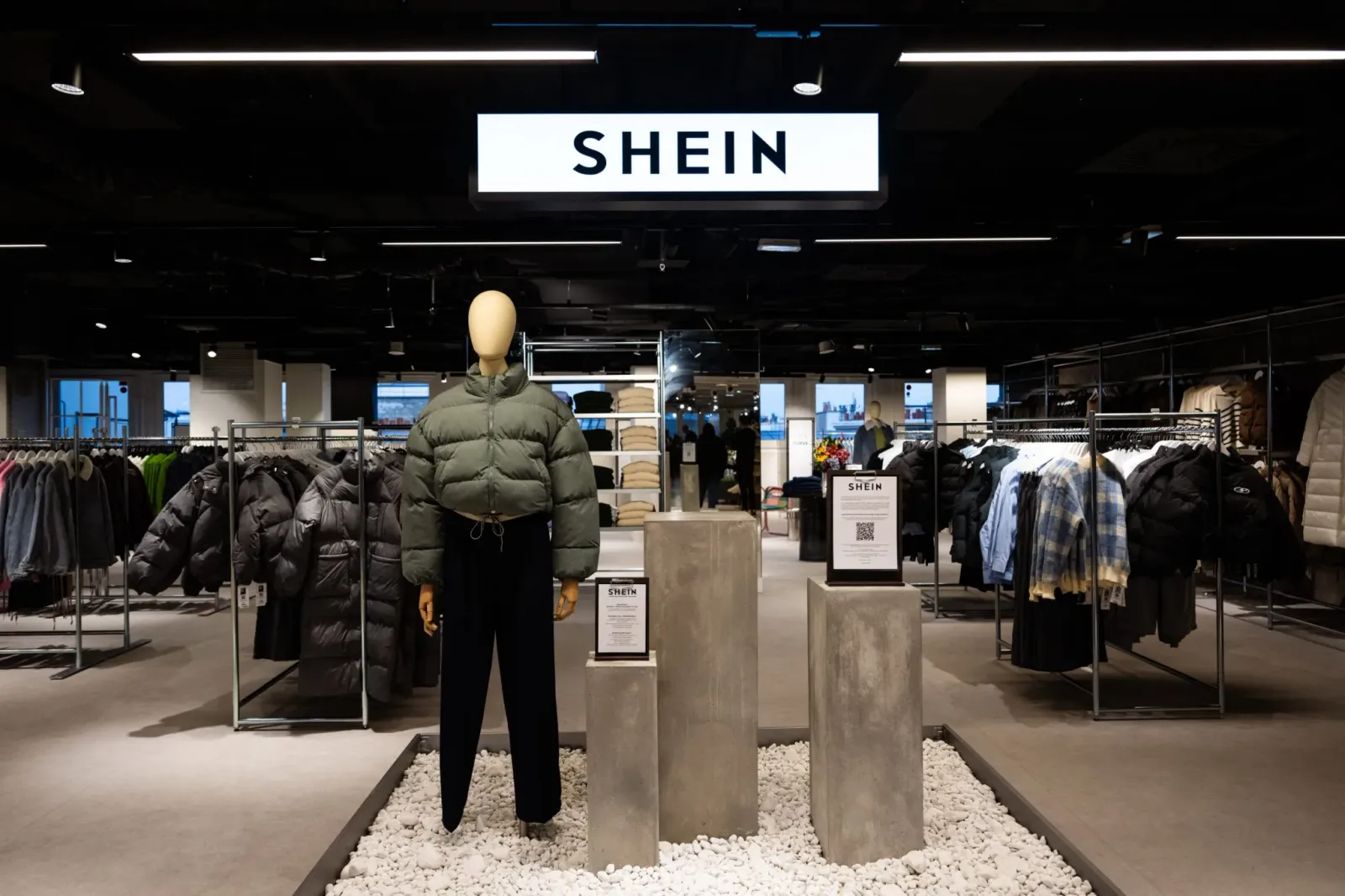
Shein CEO Sky Xu's net worth has fallen from $23B to $8B as the company lists in Hong Kong at a valuation just over a quarter of its $100B peak. The muted pricing reflects waning enthusiasm for consumer tech amid an AI-driven market, a caution for founders and investors in similar sectors.
Shein CEO Sky Xu's net worth has plunged by $15 billion as the fast-fashion giant's Hong Kong IPO priced at just over a quarter of its $100 billion peak valuation, according to the Bloomberg Billionaires Index. Xu, who holds a 30% stake, now sees his fortune at about $8 billion, down from more than $23 billion in 2022. The listing on Tuesday marks a dramatic reversal for a company that once outshone H&M and Zara in market value, but the muted debut reflects a broader shift: investors are now chasing AI stories, leaving e-commerce and consumer brands to fight for attention.
"They definitely missed the window," said Sam Wyatt, an international-equities portfolio manager at U Ethical Investors based in Melbourne, referring to Shein's IPO. The company's growth story, once fueled by pandemic-era online shopping, has slowed as lockdowns ended and shoppers returned to physical stores. Revenue growth has decelerated, according to data Shein disclosed in July ahead of its listing. Meanwhile, the competitive landscape has intensified, with rivals leveraging AI to design and market clothing faster and cheaper, eroding Shein's edge.
Shein's journey began in 2012 when Xu and three partners, all veterans of a search-engine marketing firm, launched the online retailer. The business flourished during the Covid-19 pandemic, when young shoppers flocked to its trendy, low-priced apparel. But the company now faces a triple threat: slowing demand, regulatory headwinds, and a capital market that has pivoted sharply toward artificial intelligence. The US ended a key tariff exemption on small parcels, and the European Union imposed a fixed customs duty on such shipments, directly undermining the cost advantage that made Shein's cross-border model so disruptive.
"The direction of the market is changing, not in Shein's favor, especially in the recent years," said Sheng Lu, a professor in fashion and apparel studies at the University of Delaware. AI is also leveling the playing field for Shein's competitors, who can now use generative design and predictive analytics to respond to trends as quickly as Shein does, without the same supply-chain complexity. This technological shift has made investors more cautious about Shein's long-term moat, even as the company tries to position itself as a global fashion leader.
The Hong Kong IPO market has been a mixed bag for consumer names. Shares of beverage maker Eastroc Beverage Group Co. and pig breeder Muyuan Foods Co. are both trading below their listing prices after debuts that exceeded $1 billion. The brothers who founded Mixue Group, a fast-growing bubble-tea chain, have seen their wealth shrink by more than a fifth since the company went public last year. These examples underscore a broader trend: without a compelling AI or tech narrative, even profitable consumer businesses struggle to sustain investor enthusiasm.
Shein's path to this IPO was itself a saga. The company initially sought a listing in New York or London but faced intense scrutiny over its labor practices and supply-chain transparency. Executives distanced the brand from its Chinese origins, moving the global headquarters to Singapore, but ultimately needed Chinese regulators' approval for a listing. The Hong Kong exchange became the pragmatic choice, yet the valuation reflects the market's skepticism. "Shein was the hottest topic two to three years ago - a Chinese firm that could have IPO'ed in the US because it already had a strong fast-fashion brand in the US and strong consumer recognition," said Jason Hsu, chief investment officer at Rayliant Global Advisors. "But the hot topic now is AI."
For founders and boards of consumer-tech companies, Shein's experience is a cautionary tale about timing and narrative. The window for a high-multiple IPO can close quickly when sector sentiment shifts. Companies that delay listings risk seeing their valuations compress as new technologies capture investor imagination. Moreover, regulatory changes on tariffs and customs can upend a business model overnight, as Shein discovered. The strategic lesson is clear: diversify revenue streams, invest in AI capabilities, and be prepared to list when the market is receptive, not when forced by circumstances.
As Shein begins trading in Hong Kong, its performance will be watched closely by other Chinese consumer companies contemplating IPOs. If the stock struggles, it could further dampen sentiment for the sector. But for Xu, the $15 billion paper loss is a stark reminder that wealth in private markets is fleeting. The company he built from a search-engine marketing background now faces its toughest test: convincing investors that it can evolve beyond fast fashion into a resilient, AI-enabled global retailer. The answer will determine whether Shein's IPO is a new beginning or the end of an era.
This story's Key Insights and Take-aways are locked.
Create a free account to unlock Executive Actions for one credit.
Register to UnlockAlways free for Executives Club members. Join the Club
More in Business

Tim Cook steps down as Apple CEO, stays on as chair with $45M equity
The 'Trump whisperer' keeps his White House and Beijing access as Apple navigates tariffs and a $4.6 trillion market cap.
Snowflake shares surge as AI data demand crushes estimates, lifting full-year forecast
Stocks jumped on stronger-than-expected guidance, signaling enterprise AI workloads are accelerating faster than Wall Street priced in.

Tim Cook's 15-year Apple CEO run ends: 3 lessons for any successor
After 15 years, Tim Cook hands Apple to John Ternus - here's how he turned a $350B company into a $4.6T juggernaut.