
Shein's Hong Kong Debut Fizzles as Trade Rules and Rivals Bite
The fast-fashion giant's weak first day in Hong Kong shows investors have moved on from a model squeezed by new tariffs, Temu, and labor scrutiny.
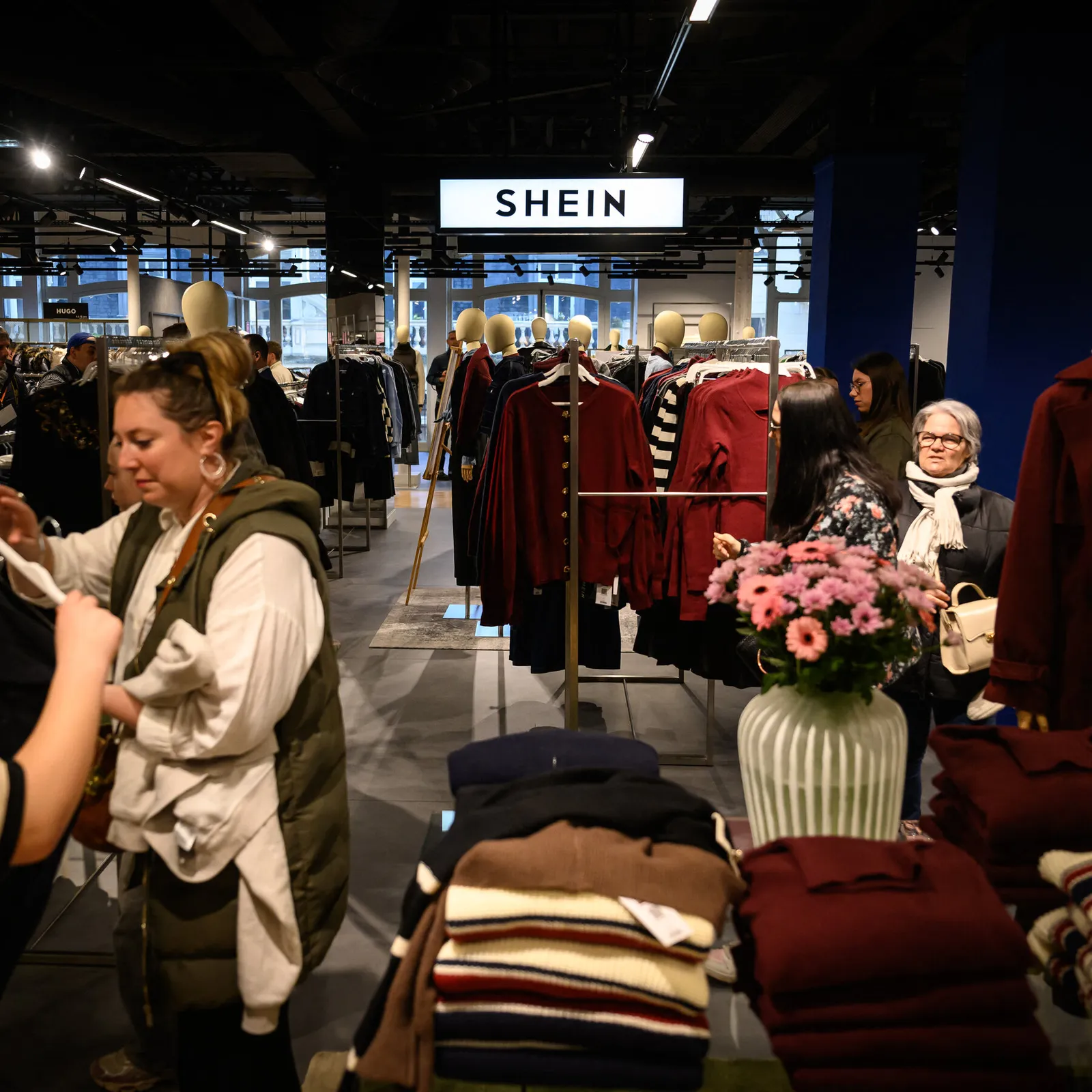
Shein's shares declined on its Hong Kong debut Tuesday, reflecting investor skepticism amid new trade rules, shrinking market share, and labor concerns. For executives, the lackluster listing signals waning appetite for fast-fashion business models and heightened regulatory risk.
Shein's shares declined in Hong Kong on Tuesday, a lackluster debut that underscores how far the fast-fashion giant has fallen from its private-market heyday. The drop is a clear signal that investors have moved on, squeezed by a triple threat: new trade rules, shrinking market share, and persistent labor concerns. For a company that once defined the hyper-growth e-commerce playbook, the muted first day is less a blip than a verdict on a business model that no longer fits the regulatory and competitive landscape.
The decline did not happen in a vacuum. Shein's entire value proposition has been built on shipping ultra-cheap apparel directly from Chinese factories to consumers worldwide, often bypassing import duties through the US de minimis exemption. That loophole, which allowed packages under $800 to enter duty-free, was closed by the US government in 2025, forcing Shein to absorb new costs or raise prices. The trade rule change alone erodes the core price advantage that made Shein a household name, and the market is pricing in that structural shift.
At the same time, Shein's market share is shrinking under relentless pressure from Temu, the discount marketplace owned by PDD Holdings. Temu has matched Shein's rock-bottom prices while spending aggressively on marketing and expanding into categories beyond apparel. The result is a two-front war: Shein is losing price-sensitive shoppers to Temu even as its own cost base rises. Analysts have noted that Shein's growth has slowed sharply in key markets, and the Hong Kong listing gives investors a public venue to express that pessimism.
Labor concerns add a third layer of risk. Shein has faced repeated allegations of forced labor in its supply chain, particularly involving Xinjiang cotton, which have triggered scrutiny from US lawmakers and customs officials. While Shein has denied wrongdoing and pledged to improve oversight, the reputational damage has made some institutional investors wary. In a market where ESG factors increasingly influence capital allocation, labor issues are no longer a side issue - they are a deal-breaker for many funds.
The Hong Kong debut itself was already a compromise. Shein had long planned a US IPO, but regulatory hurdles and political tensions forced a pivot to Hong Kong. That shift signaled to investors that the company's growth story was losing its luster, and Tuesday's decline confirms the skepticism. The stock's performance suggests that even a discounted valuation could not attract enough demand, a stark contrast to the frothy private rounds that once valued Shein at over $100 billion.
For executives watching from the sidelines, Shein's stumble offers a cautionary tale about building a business on regulatory arbitrage. The de minimis repeal was a known risk, yet Shein's model remained dependent on it. Boards should stress-test their own supply chains and pricing strategies against similar policy shifts, especially in trade and labor. The era of frictionless, duty-free e-commerce is ending, and companies that fail to adapt will face the same investor exodus.
More broadly, the lackluster debut signals a cooling of the fast-fashion boom. Consumers are becoming more conscious of sustainability and labor practices, and regulators are catching up. Shein's decline is not just a company-specific story; it is a market signal that the playbook of ultra-low prices and opaque supply chains is no longer enough. The next wave of winners will need to balance cost with compliance, and transparency with speed.
For Shein, the path forward is narrow but not impossible. The company could invest in local warehousing to mitigate tariff impacts, diversify its supply chain away from China, and double down on labor certifications to rebuild trust. But Tuesday's decline shows that investors are not willing to wait indefinitely. The fast-fashion model that Shein perfected is now a liability, and the market has spoken.
This story's Key Insights and Take-aways are locked.
Create a free account to unlock Executive Actions for one credit.
Register to UnlockAlways free for Executives Club members. Join the Club
More in Business

Tim Cook steps down as Apple CEO, stays on as chair with $45M equity
The 'Trump whisperer' keeps his White House and Beijing access as Apple navigates tariffs and a $4.6 trillion market cap.

Snowflake shares surge as AI data demand crushes estimates, lifting full-year forecast
Stocks jumped on stronger-than-expected guidance, signaling enterprise AI workloads are accelerating faster than Wall Street priced in.

Tim Cook's 15-year Apple CEO run ends: 3 lessons for any successor
After 15 years, Tim Cook hands Apple to John Ternus - here's how he turned a $350B company into a $4.6T juggernaut.