

Shein shares tumble in Hong Kong debut after years-long IPO saga
The fast-fashion giant finally listed in Hong Kong on Tuesday, but investors greeted it with a sell-off. Here's what the debut signals for the company and the broader market.
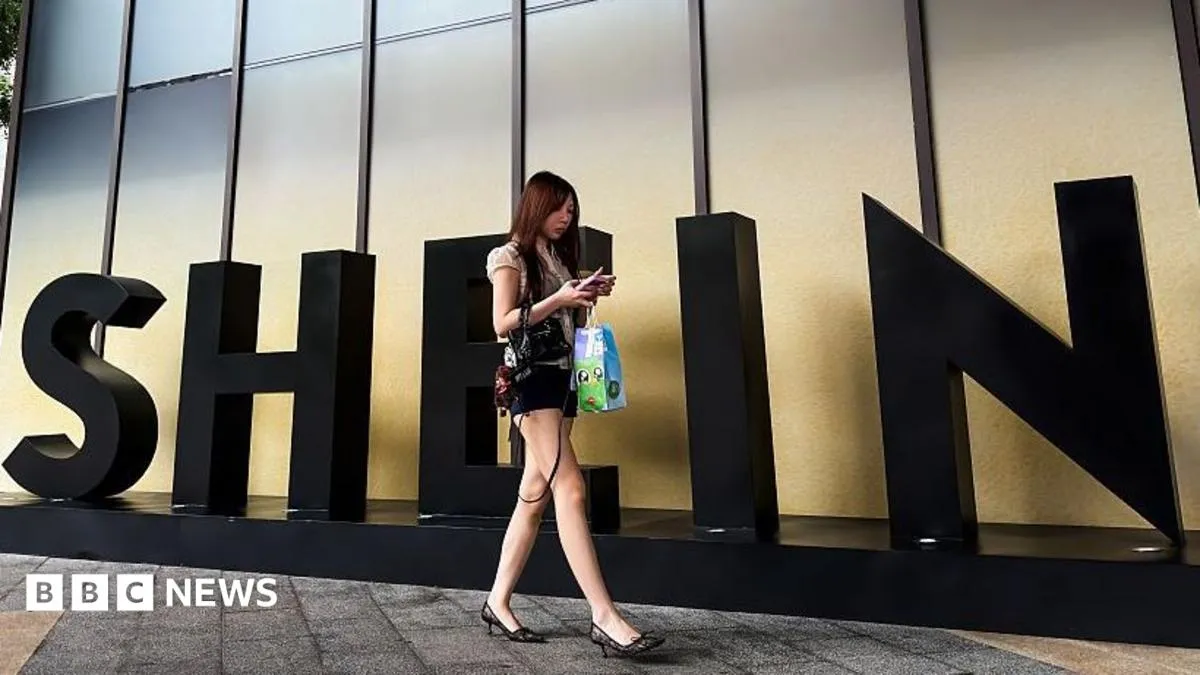
Shein, the fast-fashion e-commerce giant, made its long-awaited Hong Kong stock market debut on Tuesday, but shares fell on the first day of trading. The listing ends a years-long quest to go public after regulatory hurdles in the US and UK, and its performance reflects investor caution about the company's growth prospects and geopolitical risks.
Shein, the ultra-fast fashion retailer known for $5 dresses and viral TikTok hauls, finally hit the public markets on Tuesday with a Hong Kong listing. But the debut was far from a celebration: shares fell on their first day of trading, a stark contrast to the blockbuster IPOs that have become synonymous with the city's bourse. The listing ends a years-long, cross-continental quest to go public, after plans for a New York IPO were shelved amid regulatory and political headwinds.
The company, founded in China and now headquartered in Singapore, had long eyed a US listing, but faced intense scrutiny from American lawmakers over its supply chain, data privacy practices, and alleged forced labor. Those concerns, coupled with a broader crackdown on Chinese tech listings in Washington, forced Shein to pivot. London was also considered, but ultimately Hong Kong became the chosen venue-a familiar home for Chinese companies seeking international capital while navigating geopolitical tensions.
The muted debut reflects a more cautious investor sentiment toward Shein's business model. While the company has revolutionized fast fashion with its on-demand manufacturing and social media-driven marketing, it faces mounting challenges: rising competition from rivals like Temu, potential tariff changes on Chinese goods, and growing consumer backlash over sustainability and labor conditions. The IPO's valuation-reportedly around $66 billion-is a far cry from the $100 billion valuation it commanded in a 2022 funding round, signaling a reset in expectations.
For Hong Kong, the listing is a win. The city has struggled to attract major tech IPOs in recent years, as a crackdown on the tech sector and geopolitical instability deterred issuers. Shein's debut, even with a weak first-day performance, brings a marquee name to the exchange and could pave the way for other Chinese consumer giants to follow. It also underscores Hong Kong's role as a bridge between Chinese companies and global investors, despite ongoing tensions between Beijing and Washington.
For investors, the question now is whether Shein can sustain its growth. The company's revenue has grown exponentially, but so have its costs-from logistics to marketing. Its reliance on a young, price-sensitive customer base makes it vulnerable to economic downturns. Moreover, the regulatory environment remains fluid: the US has already imposed tariffs on Chinese goods, and a proposed de minimis rule change could eliminate the duty-free loophole that Shein has exploited for years. These factors could weigh on the stock in the near term.
The debut also highlights the broader trend of Chinese companies choosing Hong Kong over New York. In the past two years, several firms have either listed in Hong Kong or announced plans to do so, citing regulatory certainty and proximity to home markets. Shein's decision is a pragmatic one, but it also reflects the reality that the US IPO window for Chinese companies has largely closed. For Shein, the Hong Kong listing provides access to capital and liquidity, but it also ties its fortunes to a market that is itself navigating political and economic uncertainty.
Looking ahead, Shein's stock performance will be closely watched as a bellwether for both the fast-fashion sector and the broader Chinese tech ecosystem. If the shares stabilize and rise, it could signal that investors are willing to look past the risks. If they continue to slide, it might deter other companies from pursuing IPOs in the current climate. For now, the company's leadership, including CEO Sky Xu, will need to convince the market that Shein is more than just a fleeting trend-and that its supply chain and business model can withstand the scrutiny that comes with being a public company.
In the end, Shein's Hong Kong debut is a milestone, but not a triumph. It marks the end of a long and winding road to the public markets, but the real test begins now. The company must navigate a complex web of regulatory, competitive, and consumer pressures, all while delivering the growth that investors expect. The first-day decline is a sobering reminder that a listing is just the beginning, not the finish line.
This story's Key Insights and Take-aways are locked.
Create a free account to unlock Executive Actions for one credit.
Register to UnlockAlways free for Executives Club members. Join the Club
More in Business

Elon Musk unveils a flying car, and SpaceX helped build it
The Tesla CEO's showcase at a SpaceX facility signals a future where road and rocket engineering converge.

Apple's $2,000 iPhone Duo opens preorders, taking on Samsung and Google
Apple's first foldable hits the market at a premium price, reshaping a category Samsung and Google have led.

Pope Leo XIV, first American pope, diagnosed with lung cancer
The 71-year-old Chicago-born pontiff underwent successful surgery on his right lung, and his diagnosis raises new questions about his AI-focused papacy and the Vatican's future.