
Shigeru Miyamoto shut down a Zelda pitch, so a dev burned his hand-built diorama
A Legend of Zelda prototype for Nintendo became Captain Toad instead, after Miyamoto rejected the video game idea.
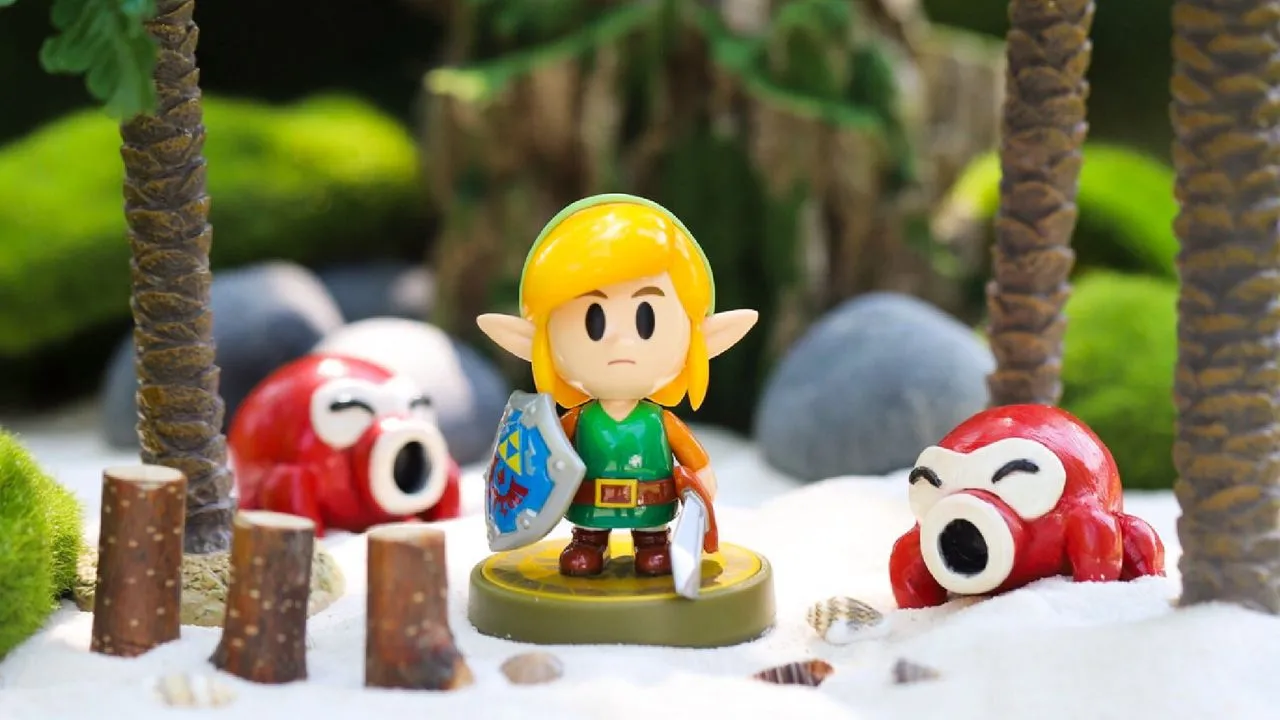
In a translated interview, Captain Toad: Treasure Tracker co-directed by Shinya Hiratake traces its origins to a failed Legend of Zelda concept pitched to Shigeru Miyamoto. Hiratake says he "burned it" because the rejection was such a "bad memory" he decided to let it die.
Shigeru Miyamoto loved the Zelda-themed diorama a Nintendo dev built to pitch a game. Then he rejected the pitch, and the dev burned the handmade model because it was “such a bad memory” he “decided to let it die.”
That one decision is more than trivia. It helps explain how a concept that started as a Legend of Zelda game ended up as Captain Toad: Treasure Tracker, born as diorama-style puzzle levels inside Super Mario 3D World. And it is a reminder for executives everywhere that the first presentation and the first framing of “what this is” can permanently redirect a product roadmap.
Here is the chain of events, straight from the interview material. Captain Toad: Treasure Tracker was not originally supposed to be a Mario spin-off. It was meant to be a Legend of Zelda game, and that connection was already public after Captain Toad: Treasure Tracker launched. But the newly translated interview adds a more human detail: the development effort was driven by distress after Miyamoto shot down the Zelda concept.
The gameplay format itself began as a prototype within Nintendo, then evolved. The core idea stayed consistent through the pivot: you slowly explore as a tiny character, viewing the world from a distant perspective, solving puzzles, and finding collectables inside a diorama-style environment. In other words, the “toy-like” feel was not accidental. It was designed, built, and then reinterpreted when Mario proved to be the wrong framing.
As Nintendo’s 3D World team worked on the concept, they realized Mario’s mechanics made the stages too large. Koichi Hayashida, the 3D World director, explained that if Mario could jump, the stages became “pretty big,” which raised a fundamental design mismatch for a diorama scale. That design constraint is what pushed the team to consider a character who could not jump, because it would naturally force tighter, more readable spaces.
That is where Shinya Hiratake comes in. He submitted an idea to Miyamoto to use Link as the character, and he spent painstaking hours in his off time building a Zelda-themed diorama to present. The pitch was, basically, “make this a Zelda-like game,” and the physical diorama was the sales pitch. Miyamoto, in Hayashida’s account, loved the diorama itself. But Miyamoto did not love the proposed product.
Hayashida says Miyamoto believed the diorama was for a physical toy to be sold in stores. Once Miyamoto realized the pitch was for a video game, he shut down the idea. The key quote is business in a Nintendo costume: Hayashida adds, “If Hiratake had given a better presentation, there’s a chance it would have been a different game with Zelda instead.” This is the uncomfortable part for anyone in product or creative leadership. Even a “yes” on aesthetics can turn into a hard “no” on category, intent, or how the team is positioning the thing.
And then, according to Hiratake, came the emotional rupture. He says, “I burned it.” He explains it was “such a bad memory” that he decided to let it die. That is not the language of a minor setback. It signals a level of certainty and finality: once the pitch was rejected, the team did not just shelve a model. The dev literally destroyed the proof-of-concept artifact he had built with his own time.
Eventually, the team found a different fit. They realized Captain Toad could be the protagonist for diorama-style levels as bonus stages within Super Mario 3D World. Those bonus stages became some of the best parts of the game, and that success changed what leadership could justify next. Miyamoto even suggested the devs spin off the concept into the standalone game Captain Toad: Treasure Tracker, which Hiratake co-directed.
For executives, the second-order takeaway is simple: great ideas do not die, but they often get renamed. The underlying mechanics, the diorama format, and the “tiny explorer” camera perspective lived through the rejection. What died was the specific Zelda-as-a-video-game framing, not the concept itself. That is why the memory matters: the dev burned a diorama, but the team kept the design DNA.
This is also a case study in how creative gatekeeping can create both risk and opportunity. When a top executive treats a pitch as a category error, the organization either learns and reframes quickly or loses momentum. Here, Nintendo found a path by translating the same mechanics into a Mario-adjacent universe, then escalating to a full standalone product when the bonus-stage proof was strong enough to win approval.
If you are a founder, investor, or operator watching how products get greenlit, the lesson is not “present better” in the generic sense. The lesson is that your presentation is a proposal about identity and audience: toy versus game, Zelda versus Mario, bonus-stage concept versus standalone product. In a studio context, that identity determines whether the idea survives long enough to be built, tested, and improved. In a broader business context, it is the difference between a prototype that never clears the room and one that earns a roadmap slot.
This story's Key Insights and Take-aways are locked.
Create a free account to unlock Executive Actions for one credit.
Register to UnlockAlways free for Executives Club members. Join the Club
More in Entertainment

'It's a Magic Trick': Ballet Experts Say Rosalía's SNL Pose Is Impossible
Three ballet experts tell Rolling Stone Rosalía's gravity-defying SNL stillness shouldn't be possible - and why the debate is now part of the show.

Activision CMO: GTA 6 Will Boost Call of Duty, Not Bury It
Activision's top marketer says Rockstar's blockbuster will drive players back to consoles and into Modern Warfare 4, even as the company admits its recent strategy failed.
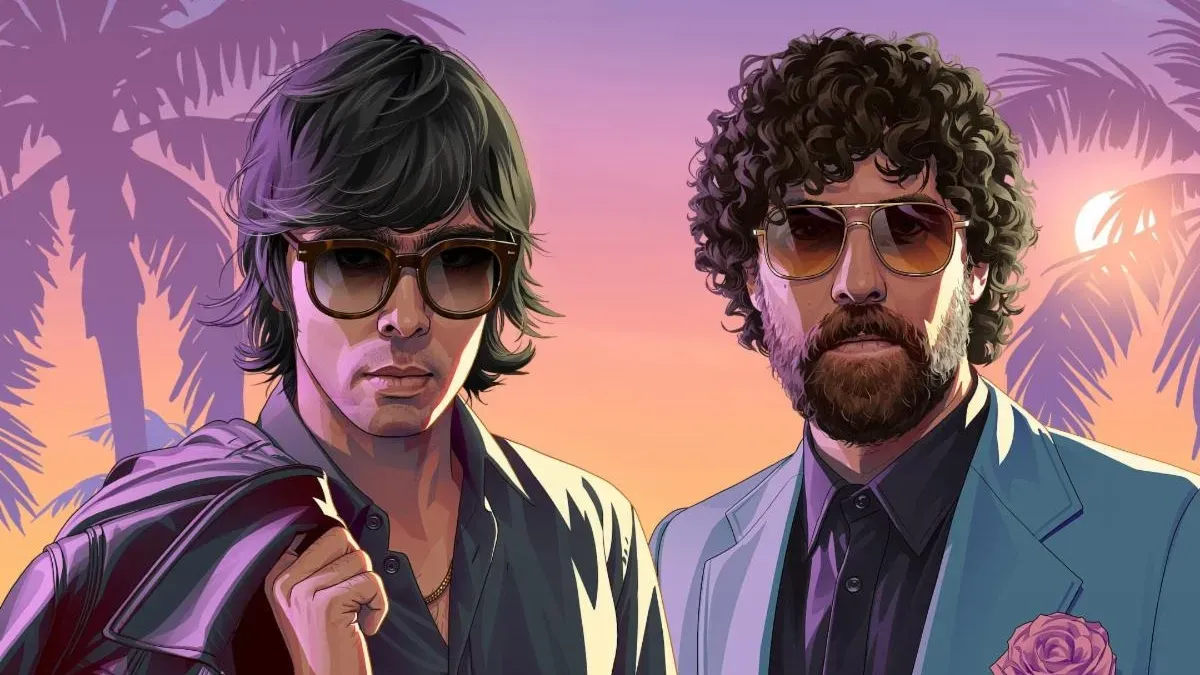
Justice to Score GTA 6, Share New Song with Tame Impala, SZA, King Gizzard
Rockstar taps the French duo for the GTA VI score, and the first taste is a genre-melting collab with Tame Impala, SZA, and King Gizzard & The Lizard Wizard.