
Shrinking Sierra snowpack swings mountain pond temperatures by 20°C in a day
New Ecosphere research links winter snowfall to summer pond extremes that reshape alpine ecosystems.
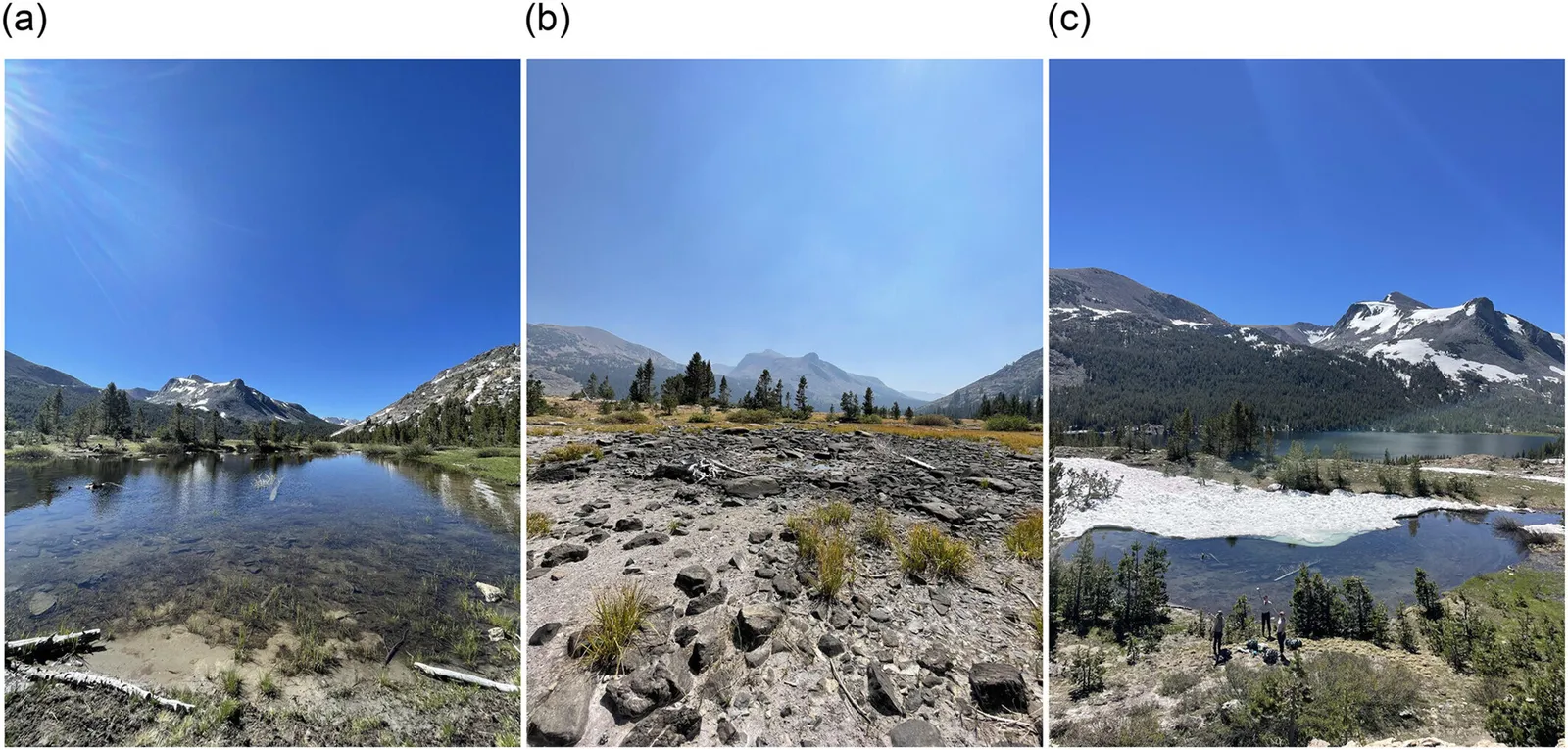
New research published in Ecosphere finds that Sierra Nevada mountain ponds can see more than 20°C (36°F) swings in water temperature within a single day. The consequence for decision-makers: as winter snowfall shrinks, the thermal stability of aquatic ecosystems is likely to change, with cascading effects for conservation and risk planning.
A mountain pond in the Sierra Nevada can look calm on a summer afternoon, reflecting granite peaks and an alpine sky. Then you learn what is happening beneath the surface. In new research published in the journal Ecosphere, scientists describe these small, shallow waters as among the most thermally variable aquatic ecosystems on Earth. Their water temperatures sometimes swing by more than 20°C (36°F) in a single day.
The part that matters for the Sierra story is not just what changes in summer. The research points to winter snowfall as the force driving much of that variability, beginning months earlier than the temperature swings people notice. That is the key reveal: the “summer pond mood” can be set by “winter snow conditions,” even though the drama plays out later.
To understand why this is more than a climate trivia fact, zoom out to how high-elevation water systems work. Mountain ponds and similar alpine waters are shallow and small, so they heat up and cool down fast. In many ecosystems, stability is what allows organisms to time growth, reproduction, and metabolism. When temperature swings are extreme, the window for those life processes narrows and shifts. The Ecosphere findings underscore that these ponds are already operating with high thermal volatility. The question now becomes whether less winter snowfall pushes them into an even more unstable regime.
Second-order impacts start to show up when you think about what variability does to biology and water chemistry. If temperature cycles intensify, it can change oxygen availability, affect microbial activity, and alter the timing and success of species that live in or depend on these ponds. Even if the pond appears visually unchanged, the internal environment can change dramatically within hours. That matters for ecosystems managed as a network. In alpine regions, ponds can serve as breeding habitat for certain organisms and as stepping stones for others. A shift in thermal patterns can ripple outward, influencing community composition and the resilience of the whole system.
There is also an operational dimension for anyone tasked with planning in snow-dependent regions. Winter snowfall is not just a weather metric, it is an upstream driver of downstream conditions. When snowpack shrinks, managers often think first about water supply and streamflow timing. This research adds a more granular, ecosystem-focused layer: the thermal variability of small standing waters. That difference matters because policy and monitoring programs frequently focus on flow and water quantity. Thermal stability may require additional measurement, modeling, and forecasting, especially in places where the ecosystem is already known for more than 20°C daily swings.
Regulatory and planning frameworks tend to work on risk, impact, and monitoring evidence. If you are tracking ecological status, thermal changes can become relevant alongside habitat area and water quality. The Ecosphere publication is specific about the driver: winter snowfall influences the variability that occurs months later. For boards, conservation institutions, and agencies, that kind of linkage strengthens the logic for budgeting earlier in the chain. Instead of reacting after summer anomalies hit, stakeholders can justify investments in snowpack monitoring, pond temperature sampling, and seasonal forecasting to anticipate ecological stress.
And if you are an executive or investor looking at climate exposure, the takeaway is broader than one mountain basin. The story is a template for how climate shifts can manifest as “invisible volatility” inside ecosystems. Not every risk shows up as a single dramatic event. Sometimes it appears as a pattern of more frequent extremes, where the system still works until it does not. Here, the system is already thermally variable, and winter snowfall acts like an upstream regulator of that volatility. As snowpack changes, the summer baseline can move, potentially reshaping what “normal” looks like for alpine aquatic life.
For leaders who oversee land, water, or ecological initiatives, the strategic stakes are straightforward: you cannot manage what you only measure in summer. If winter snowfall sets much of the thermal variability months later, planning timelines have to move with the mechanism. The ponds may be small and shallow, but they are signaling that the Sierra Nevada's ecological clock is being rewound from the winter side, and the consequences can arrive fast once summer temperatures start swinging.
This story's Key Insights and Take-aways are locked.
Create a free account to unlock Executive Actions for one credit.
Register to UnlockAlways free for Executives Club members. Join the Club
More in Science

Alaska's 1,580-foot tsunami had warning signs. Scientists just found them.
Rapid glacier retreat, heavy rainfall, and thousands of tiny tremors preceded Alaska's 1,580-foot tsunami, a warning for every coastal community in a warming world.

The rare mutation that lets high-risk brains dodge Alzheimer's
Scientists found a natural defense against protein buildup, opening a new path to preventive treatments.

3,000 steps a day may halve Alzheimer's decline, study finds
New research links a modest daily walk to less tau buildup and nearly half the cognitive and functional decline, even for those with early signs.