

Siemens CEO's 7 productivity rules: 2-word emails, no recurring meetings
Roland Busch's efficiency playbook-rooted in theoretical physics-offers a masterclass for leaders drowning in meetings and inbox overload.

Siemens CEO Roland Busch runs a 300,000-employee company using a stripped-down productivity system: terse email replies, no recurring meetings, and travel protocols. His approach shows how leaders can cut decision fatigue and reclaim focus.
Roland Busch, CEO of Siemens, receives roughly 200 emails a day. His typical reply is two words: "OK" or "No." He also refuses to schedule recurring meetings with his direct reports, instead asking them to come to him when they actually need him. These are not quirks; they are pillars of a seven-part productivity system that lets him run a company with more than 300,000 employees across the globe.
Busch's approach is rooted in his training as a theoretical physicist. He told Business Insider that he tries to strip problems down to what really matters, eliminating unnecessary work wherever possible. That mindset shows up in every rule he follows: keep the inbox under 100 messages, use as few words as possible, and don't let meetings fill the calendar by default. The result is a leadership style that prioritizes signal over noise, a lesson for any executive drowning in communication.
The inbox rule is simple but brutal. Busch aims to keep fewer than 100 emails in his inbox at any time. Once the count climbs above that, he finds it harder to see what actually requires his attention. He responds quickly, often with just "OK" or "No," and his team has adapted to that brevity. He's not alone. Jim Holthouser, CEO of GoTo Foods, describes himself as an "inbox-zero person," saying he can't sleep well unless his email is cleared before bed. The takeaway: a hard cap forces triage, and terse replies set a cultural norm for speed.
Meetings are another target. Busch doesn't have recurring meetings with his direct reports. Instead, they meet on demand, sometimes five times in a week, sometimes once a month. "I don't need to entertain people, and they don't need to entertain me," he said. Robert Rosenkranz, founder of Delphi Capital Management, echoes that philosophy, skipping unnecessary meetings and rejecting demands that don't align with his priorities. For leaders, this means shifting from a default of scheduled check-ins to a model where every meeting must justify its existence.
Busch also eliminates decisions before they happen. He lays out his T-shirt and shorts the night before so that when his alarm rings at 6 a.m., he can be in the gym by 6:30 without thinking. Walmart's chief people officer, Donna Morris, sometimes decides her week's outfits as early as Sunday night. Liz Plosser, former editor in chief of Women's Health, preps her coffee the night before. These micro-routines remove friction from the start of the day, freeing mental bandwidth for higher-stakes choices.
Travel is where many executives lose their rhythm, but Busch has a protocol. Flying west, he stays awake on the plane or limits himself to a one- or two-hour nap, aiming to arrive tired enough to sleep through the night. Flying east, he takes a night flight and sleeps as much as possible. ClassPass CEO Fritz Lanman maintains a strict workout routine on the road, using his own app to find gyms in any city. Avaline CEO Jennifer Purcell goes further, asking ChatGPT to build a schedule for caffeine, naps, and sunlight to beat jet lag. The principle: don't let time zones dictate your energy; plan for them.
Finally, Busch has a rule for switching off. He recently picked up the guitar again after decades away, and even 20 minutes of playing completely changes his mood. Rocket Lab CEO Peter Beck uses a similar strategy, describing himself as an "active relaxer" who flies a helicopter to de-stress. The activity demands full attention, forcing the brain to leave work behind. For executives who struggle to disconnect, finding a hobby that requires total focus is not a luxury; it's a performance tool.
Busch's playbook is a masterclass in decision fatigue management. By capping emails, banning recurring meetings, pre-deciding small choices, and building travel protocols, he reduces the cognitive load that plagues most leaders. The broader lesson for CEOs and boards: efficiency isn't about working harder; it's about designing systems that let you focus on what actually moves the needle. In a world of constant pings and packed calendars, the leaders who thrive will be those who, like Busch, treat their attention as their most valuable asset.
This story's Key Insights and Take-aways are locked.
Create a free account to unlock Executive Actions for one credit.
Register to UnlockAlways free for Executives Club members. Join the Club
More in Business
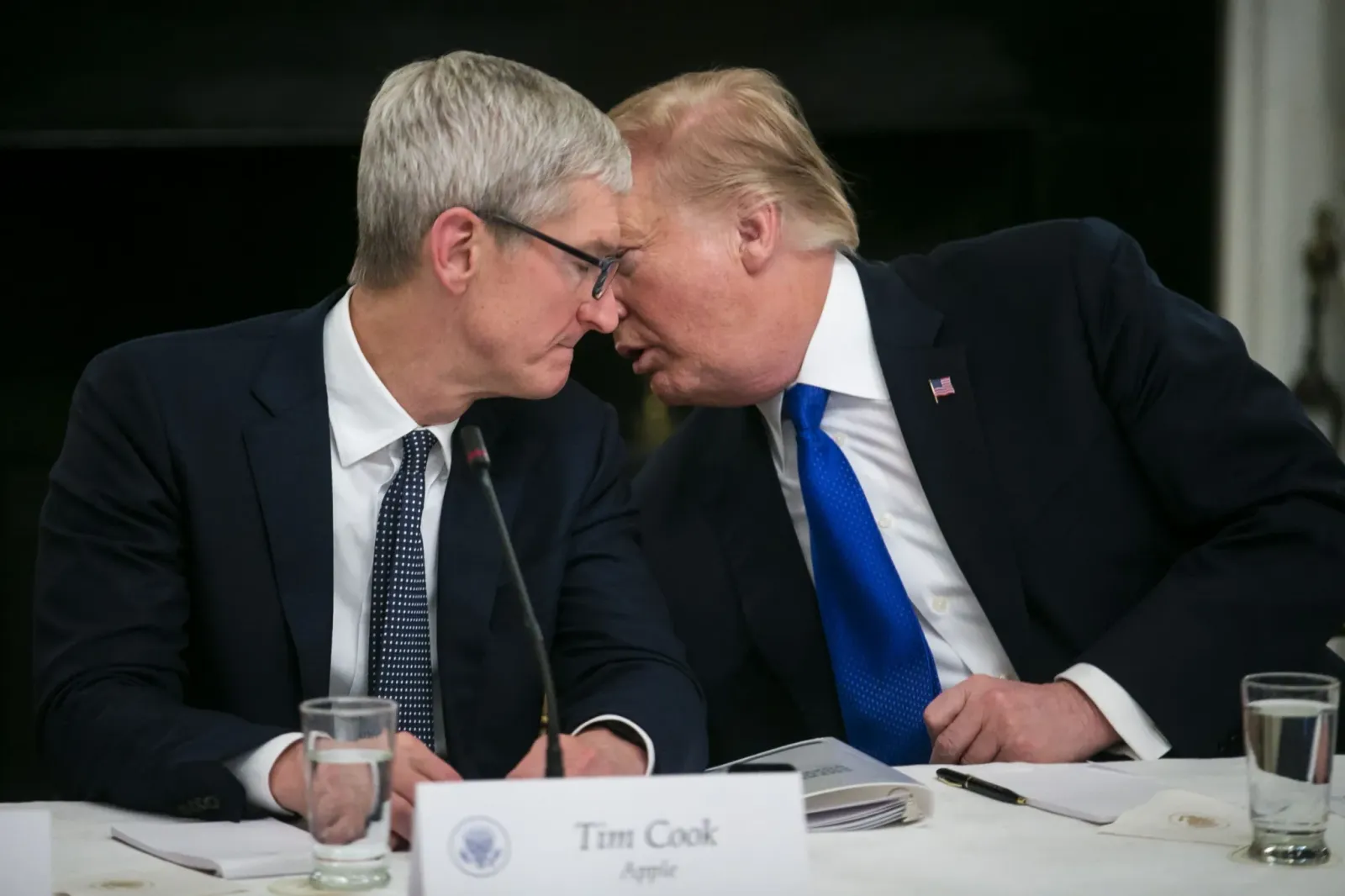
Tim Cook steps down as Apple CEO, stays on as chair with $45M equity
The 'Trump whisperer' keeps his White House and Beijing access as Apple navigates tariffs and a $4.6 trillion market cap.

Snowflake shares surge as AI data demand crushes estimates, lifting full-year forecast
Stocks jumped on stronger-than-expected guidance, signaling enterprise AI workloads are accelerating faster than Wall Street priced in.
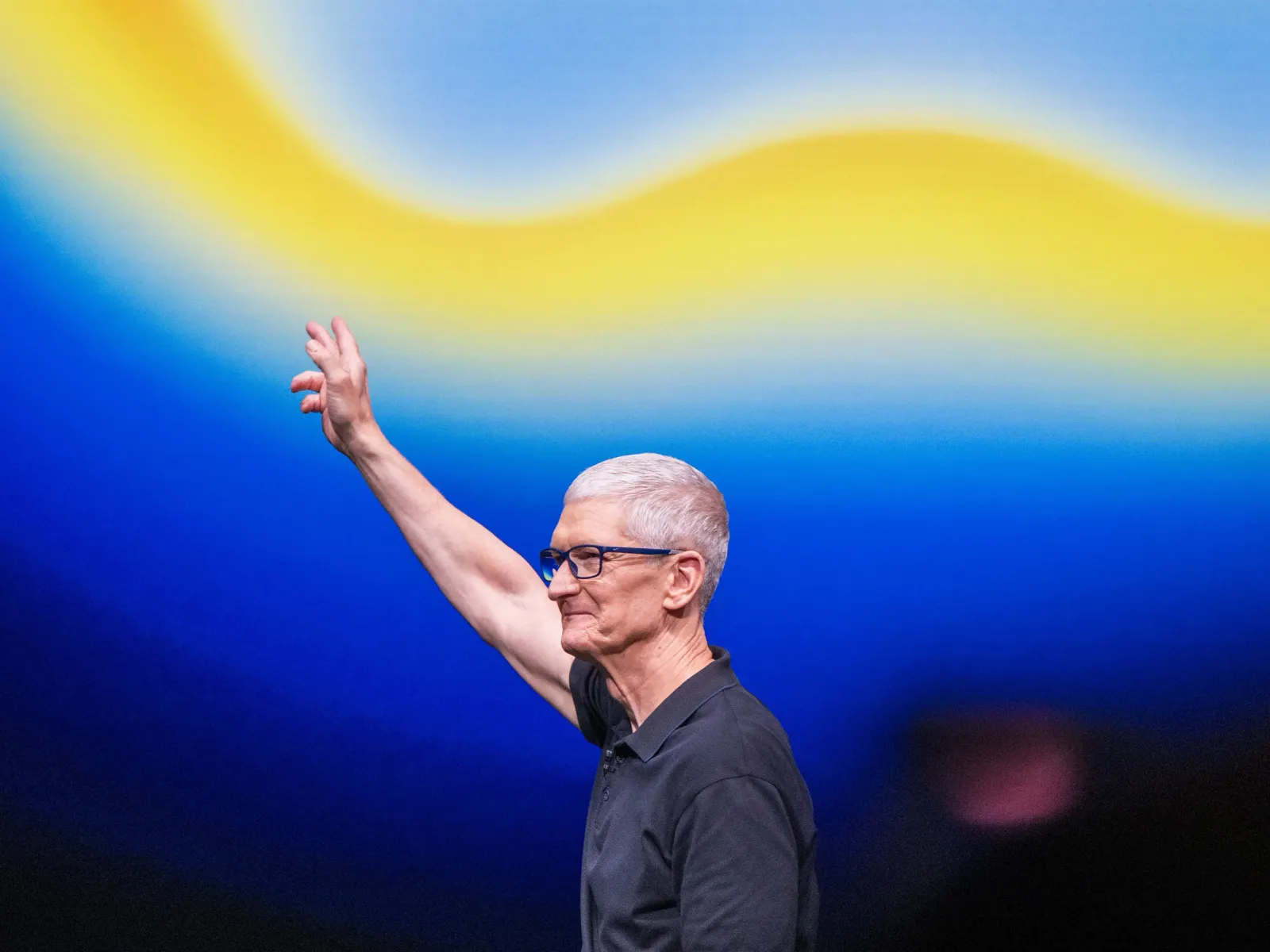
Tim Cook's 15-year Apple CEO run ends: 3 lessons for any successor
After 15 years, Tim Cook hands Apple to John Ternus - here's how he turned a $350B company into a $4.6T juggernaut.