
Sigh’s 'Goh-ka' lands Sept. 4 with Opeth’s Mikael Åkerfeldt guest spot
Japan’s avant-garde black metal veterans add Mikael Åkerfeldt to their 14th album, raising stakes for metal’s global crossover.
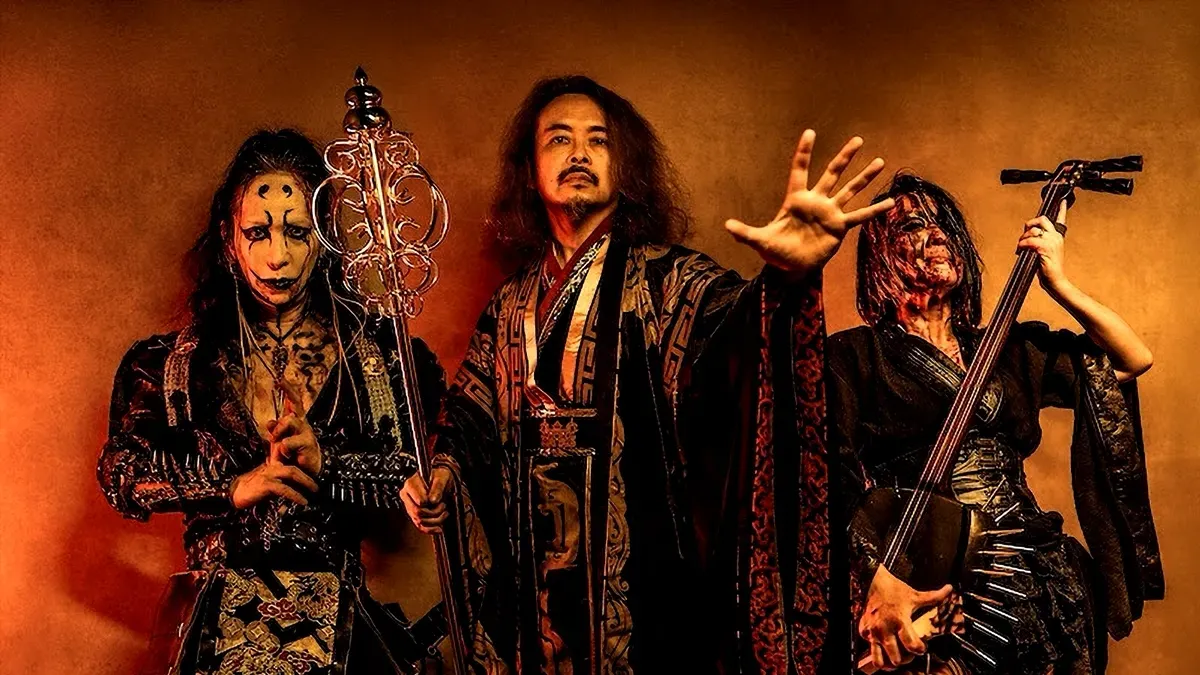
Sigh, the Japanese avant-garde black metal band, announced their 14th studio album, Goh-ka, arriving September 4 through Peaceville Records. The album features guest appearance by Opeth’s Mikael Åkerfeldt, with Sigh’s core lineup joined by bassist Frédéric Leclercq (Kreator) and drummer Mike Heller (ex-Fear Factory).
Japanese metal veterans Sigh have announced Goh-ka, their 14th studio album, set to arrive September 4 through Peaceville Records. The announcement matters beyond just release-week excitement: it’s a clear, deliberate signal that Sigh are leaning into star power and cross-scene collaboration as the fastest route to attention in a crowded extreme-music marketplace.
The guest spot that turns heads is Opeth’s Mikael Åkerfeldt, who is set to appear on the album. That single name is doing heavyweight work for Sigh. It connects two international audiences who already overlap on the edges of “metal-head prestige,” and it creates a built-in storyline for press cycles and playlists that care as much about who’s involved as they do about the sound.
If you like your metal context grounded in lineups, Sigh’s announcement also spells out who’s actually on the record. The main trio consists of multi-instrumentalist Mirai Kawashima, vocalist Dr.Mikannibal, and guitarist Nozumu Wakai. For Goh-ka, they are joined by bassist Frédéric Leclercq of Kreator and drummer Mike Heller, known for his past work with Fear Factory. In other words, this is not “we hired a random session player.” It’s a composition that brings together different metal legacies, which is exactly how labels and bands typically improve odds of broadening reach without abandoning identity.
Peaceville Records, the label handling the release, also matters here. A label with an established extreme-metal track record can turn a lineup-heavy announcement into a distribution and marketing advantage, because they know which channels actually convert. For decision-makers, the underlying mechanic is simple: metal promotion often depends on network effects. When recognizable artists cross over, journalists and curators get a reason to cover the project even if they are not already deep inside Sigh’s core fanbase.
There is another layer for anyone watching how music brands behave in 2020s media markets. Extreme genres are not only competing for ears, they are competing for attention span. Collaboration with a mainstream-adjacent “gateway” figure like Åkerfeldt helps create a bridge. It’s the same logic you see across industries: credibility transfer. When a well-known person from a neighboring ecosystem shows up, the audience assumes the project meets a certain bar. That assumption can reduce discovery friction for new listeners and increase the odds of coverage that drives streaming and physical sales.
On the regulatory or policy side, music releases typically intersect with compliance in less headline-friendly ways, like rights management for guest performances, licensing for recordings, and metadata accuracy for distribution. This announcement itself does not mention regulatory issues, but it does add complexity: a guest appearance means additional rights coordination behind the scenes, especially when collaborators come from bands with their own catalogs and licensing frameworks. Executives at labels and rights-holders generally treat this as routine, but the operational reality is real. If the paperwork is late or credits are wrong, it can slow release-day execution even when marketing is ready.
The second-order implication is about how fast attention can compound once the release date is locked. Goh-ka is slated for September 4, which gives Peaceville and Sigh a fixed countdown to coordinate press, interviews, and promotional assets. Guest-star announcements like Åkerfeldt tend to accelerate that cycle because they create fresh talking points that extend beyond the band’s usual audience. The payoff is not just more listeners. It can also be stronger bargaining power for placements, since curators and partners like projects with identifiable cross-scene relevance.
For boards, investors, and operators evaluating adjacent music ecosystems, Sigh’s move offers a clear case study in brand strategy inside niche markets. The band is already positioned as avant-garde black metal veterans, and the lineup details show they are not simplifying their identity to chase mainstream. Instead, they are adding recognizable names through guest and supporting roles. That approach reduces the risk of “alienating your core” while still increasing your odds of getting discovered by people who do not yet know Mirai Kawashima, Dr.Mikannibal, or Nozumu Wakai by name. In metal terms, it is an attention play that stays true to the craft, and it’s exactly the kind of collaboration-driven release plan that can matter to everyone watching how genre ecosystems grow.
This story's Key Insights and Take-aways are locked.
Create a free account to unlock Executive Actions for one credit.
Register to UnlockAlways free for Executives Club members. Join the Club
More in Entertainment

Russell Brand's accuser 'bewildered and confused' as he denies 7 sex charges
The criminal case against the comedian is a live test of how media companies manage talent risk when serious allegations go public.

'It's a Magic Trick': Ballet Experts Say Rosalía's SNL Pose Is Impossible
Three ballet experts tell Rolling Stone Rosalía's gravity-defying SNL stillness shouldn't be possible - and why the debate is now part of the show.

Activision CMO: GTA 6 Will Boost Call of Duty, Not Bury It
Activision's top marketer says Rockstar's blockbuster will drive players back to consoles and into Modern Warfare 4, even as the company admits its recent strategy failed.