
Sil-Q is free Tolkien Roguelike with 40-year lineage, and runs on a toaster
A free Silmarillion-themed Roguelike traces gameplay roots back through Angband and Moria, then tunes itself for Arda fidelity.
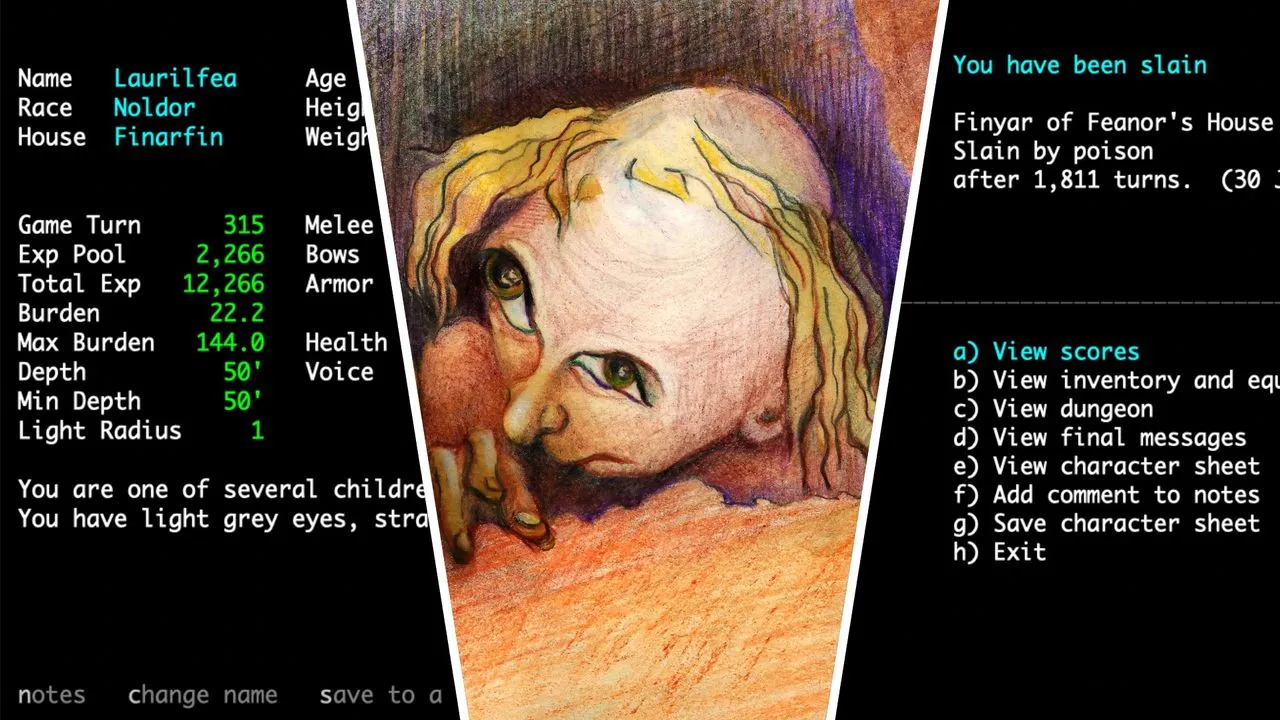
Sil-Q, a free-and-open-source Roguelike set in Tolkien's First Age of Arda, released its first version in 2017 after earlier successors. Its chain runs from Sil (2012) back to Angband (1993) and ultimately Moria (1983), showing how decades of community tech can still ship on minimal hardware.
If you think “Tolkien Roguelike” is a niche pun, Sil-Q is the counterexample: it is free, explicitly free-and-open-source, and it is built to run on anything. The PC Gamer team describes it as “free PC games: Freebie fest” material, but the real hook is deeper. Sil-Q drops the Roguelike action you would expect from “Rogue” into Tolkien's First Age of Arda, the setting of much of The Silmarillion, and then leans hard on that theme even when it would be “unbalanced” by typical game-design standards.
The studio-free lesson is also the timeline: Sil-Q’s first release arrived in 2017, but its ancestry stretches much further. Sil-Q continues Sil, which released in 2012 and ceased development in the mid-2010s. Sil, in turn, is based on Angband, first released in 1993 and still under active development today. And Angband derives from 1983’s Moria, which is also still going “heroically.” That is not marketing copy. It is a literal 40-ish-year genealogy of hobby game engineering that survives because communities keep maintaining the root code.
Here is what makes Sil-Q feel different from the usual “mod of a mod” story. PC Gamer frames Angband as sprawling and hodgepodge, a mix of fantasy concepts in the Dungeons and Dragons mould, with a Tolkienian underpinning. In that lineage, the goal can be to kill Morgoth. But PC Gamer points out why this matters for a Tolkien setting: in the history of Arda, Morgoth was never slain. He was permanently kicked out of the party, banished from the world until the Battle of All Battles. Sil and its descendant take Angband’s general Rogueness and tighten the corset around setting fidelity, making the world the boss.
That “world first” approach is where the game design tradeoff becomes the point. PC Gamer says Sil and Sil-Q subserve game mechanics to dedication to the setting, so balance is not pursued as an end in itself. In other words, if the setting says mortal men should not get advantages, then the game does exactly that. This shows up in character creation. You choose between Noldor (cool elves), Sindar (slightly less cool elves), Naugrim (an elvish borderline slur for dwarves, which the piece calls out as rude), or the Edain (men, who “suck,” in the outlet’s plain-English tone). PC Gamer emphasizes these are not “D&D sense” packages with mechanical pros and cons you can treat like build templates. Instead, they reflect Arda as written.
In practice, the elves and dwarves get advantages, while men do not. The result is that playing men is described as “to deliberately hamstring yourself.” That is a specific, consequential design decision: the game is willing to make one choice worse because it matches the mythic universe’s internal logic. If you are building anything in software, this is a strong reminder that “fairness” and “fidelity” are not the same objective. Sil-Q is optimizing for an authored-feeling experience, not a spreadsheet-perfect build system.
The next layer is the “what are you actually doing” loop. From character creation, you choose your House, meaning the precise lineage of cool elf or lame guy you descend from, which impacts starting proficiencies and stats. Then you go into Morgoth’s fortress with a mission that is tightly framed as escape rather than conquest. You are not there to be a lore-accurate assassin and win by stabbing the big bad. PC Gamer describes the goal as prying one of the stolen Silmaril gems from the dark lord’s black crown, then running the hell away before he notices.
And yes, it still feels like a Roguelike in the way that matters: roaming and dying repeatedly. PC Gamer says you fight orcs, pick up strange mythical weapons that glow blue when you're near them, and then you get the classic Rogue-style loop of death and retries. It is a heightened hero fantasy that can scratch the Fingolfin-at-Dagor Bragollach itch mentioned in the piece. Or, if the universe decides to be funny, you get devoured by a pack of wolves in the very first area. That “could be heroic, could be dead immediately” randomness is part of the genre’s identity.
Why does any of this matter to executives, boards, and anyone who allocates resources? Because it is a case study in compounding maintenance. The source explicitly highlights how open communities can keep a codebase alive for decades, moving from Moria (1983) to Angband (1993) to Sil (2012) to Sil-Q (2017). That matters in a world where many projects die after a single release cycle, especially when the value is “long-lived community culture” rather than short-term monetization. Sil-Q also underlines a practical operating principle: if you can run on “anything,” adoption barriers drop. In consumer software, lower hardware requirements often expand your addressable audience without changing your core product.
So the strategic stake is not “Sil-Q is cool,” although it is. The stake is that this kind of project proves the power of fidelity-driven design and open, iterative engineering across generations. If you are steering a studio, backing a platform, or evaluating risk for recurring developer ecosystems, Sil-Q is the reminder that sustained interest can come from world-building discipline plus community custody of the underlying tech. The world does not need you to ship the next thing every week. Sometimes, it rewards the people who keep the old thing playable.
This story's Key Insights and Take-aways are locked.
Create a free account to unlock Executive Actions for one credit.
Register to UnlockAlways free for Executives Club members. Join the Club
More in Entertainment

'It's a Magic Trick': Ballet Experts Say Rosalía's SNL Pose Is Impossible
Three ballet experts tell Rolling Stone Rosalía's gravity-defying SNL stillness shouldn't be possible - and why the debate is now part of the show.

Activision CMO: GTA 6 Will Boost Call of Duty, Not Bury It
Activision's top marketer says Rockstar's blockbuster will drive players back to consoles and into Modern Warfare 4, even as the company admits its recent strategy failed.
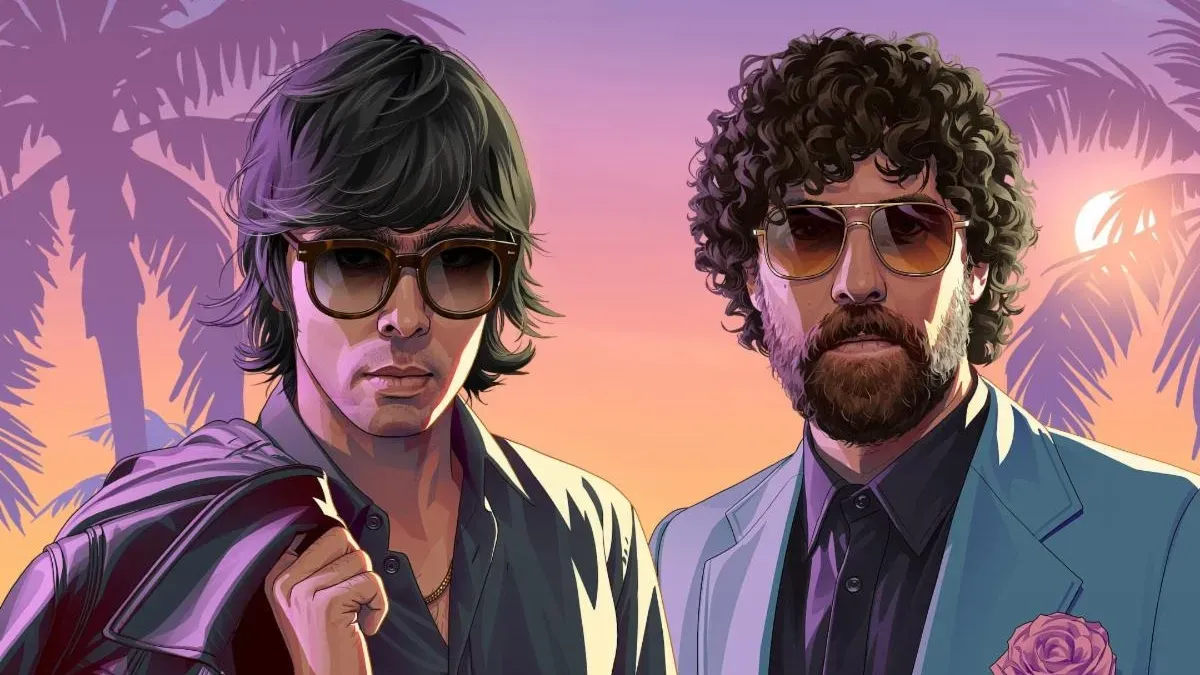
Justice to Score GTA 6, Share New Song with Tame Impala, SZA, King Gizzard
Rockstar taps the French duo for the GTA VI score, and the first taste is a genre-melting collab with Tame Impala, SZA, and King Gizzard & The Lizard Wizard.