
Simon Pegg joins The Rings of Power Season 3 as the Balrog
Prime Video turns Comic-Con hype into a casting play, and executives should read it as a premium-content strategy signal.

Prime Video revealed at Comic-Con that the Balrog will appear in The Lord of the Rings: The Rings of Power Season 3, and Simon Pegg will voice the creature. For decision-makers, this is another reminder that prestige casting and recognizable IP are being used to defend subscriber attention in a crowded streaming market.
Prime Video used its Comic-Con panel for The Lord of the Rings: The Rings of Power Season 3 to drop a fun but strategically meaningful bombshell: the Balrog is coming back, and Simon Pegg will voice it. The Balrog is last seen terrorizing Ian McKellen's Gandalf in The Lord of the Rings: The Fellowship of the Ring, so this is not just a cameo for casual viewers. It is a direct line back to a defining cinematic moment of the franchise.
Why does this matter? Because when a streaming series pulls a major character from beloved source material, it is betting that audience excitement is a real commercial asset. Simon Pegg is a high-recognition name, but the more consequential choice is the pairing of a known performer with a high-meaning monster that fans already associate with fear, lore, and cinematic stakes. In other words, Prime Video is using casting and IP continuity as a marketing engine, not just as storytelling seasoning.
That combination is increasingly how premium streamers compete. Subscribers are choosing among a pile of originals, but attention is still scarce. When brands go after that attention, they tend to do it with two levers: something fans can instantly recognize, and something that signals “event” rather than “background.” The Rings of Power has the “instantly recognizable” part locked in through Tolkien’s universe. Adding the Balrog, a creature with a specific, widely remembered appearance history, tightens that lock. It gives marketing teams a clean, vivid hook. It also gives the show a built-in emotional reference point, since viewers who know the original films already have a preloaded reaction: dread, urgency, and the sense that the story has entered a higher-threat zone.
There is also a second-order implication for executives watching content spend and platform churn: recognizability can reduce some of the uncertainty that usually comes with launching or sustaining expensive serialized storytelling. Production costs are high for world-building-heavy fantasy, and marketing budgets are rarely small. If you can turn a known entity into a clear, panel-ready headline, you potentially compress the time it takes to build mainstream awareness. Comic-Con is not a regulator, and it is not a licensing authority, but it functions like an industry amplifier where trade chatter turns into consumer buzz. That matters when boards and CFOs are under pressure to show momentum, especially in quarters where subscriber growth needs narrative support.
The Pegg Balrog announcement also highlights how streamers think about franchise continuity and “lore credibility.” The source material already does a lot of work, but the adaptation still has to earn its place. Showing that the series is willing to bring in major elements from the broader Middle-earth timeline is a way to tell the audience: we are not only expanding the world, we are connecting it. That is a subtle but powerful strategy, because it nudges engagement from “passive watching” toward “active checking.” Fans do not just watch; they look for consistency with canon. They also share, theorize, and re-watch reference scenes, which can boost the long tail of attention around a season.
From a governance and oversight perspective, this kind of casting and character positioning becomes board-level material because it affects risk. When you invest in premium IP, you are not just buying a season. You are building an asset that is supposed to retain value: brand strength, merchandising potential, and renewability. The Balrog decision, tied to a widely recognized film moment from Ian McKellen's Gandalf in The Fellowship of the Ring, is a move that leans into an asset’s established market value rather than trying to reinvent the franchise’s emotional core.
Finally, the strategic stakes for peers are straightforward. If you are leading a streaming company or a premium content group, you can learn from the pattern embedded in this news: use recognizable IP touchpoints, escalate to “event” creatures and characters, and attach credible performers to sell the emotional premise. The best marketing is the kind that also improves storytelling clarity. In this case, the headline character is the Balrog, the voice is Simon Pegg, and the context is explicit: last seen terrorizing Gandalf in Fellowship of the Ring, now set to appear in Rings of Power Season 3. The message to the market is that Prime Video is not waiting for demand to arrive. It is generating it.
This story's Key Insights and Take-aways are locked.
Create a free account to unlock Executive Actions for one credit.
Register to UnlockAlways free for Executives Club members. Join the Club
More in Entertainment

'It's a Magic Trick': Ballet Experts Say Rosalía's SNL Pose Is Impossible
Three ballet experts tell Rolling Stone Rosalía's gravity-defying SNL stillness shouldn't be possible - and why the debate is now part of the show.

Activision CMO: GTA 6 Will Boost Call of Duty, Not Bury It
Activision's top marketer says Rockstar's blockbuster will drive players back to consoles and into Modern Warfare 4, even as the company admits its recent strategy failed.
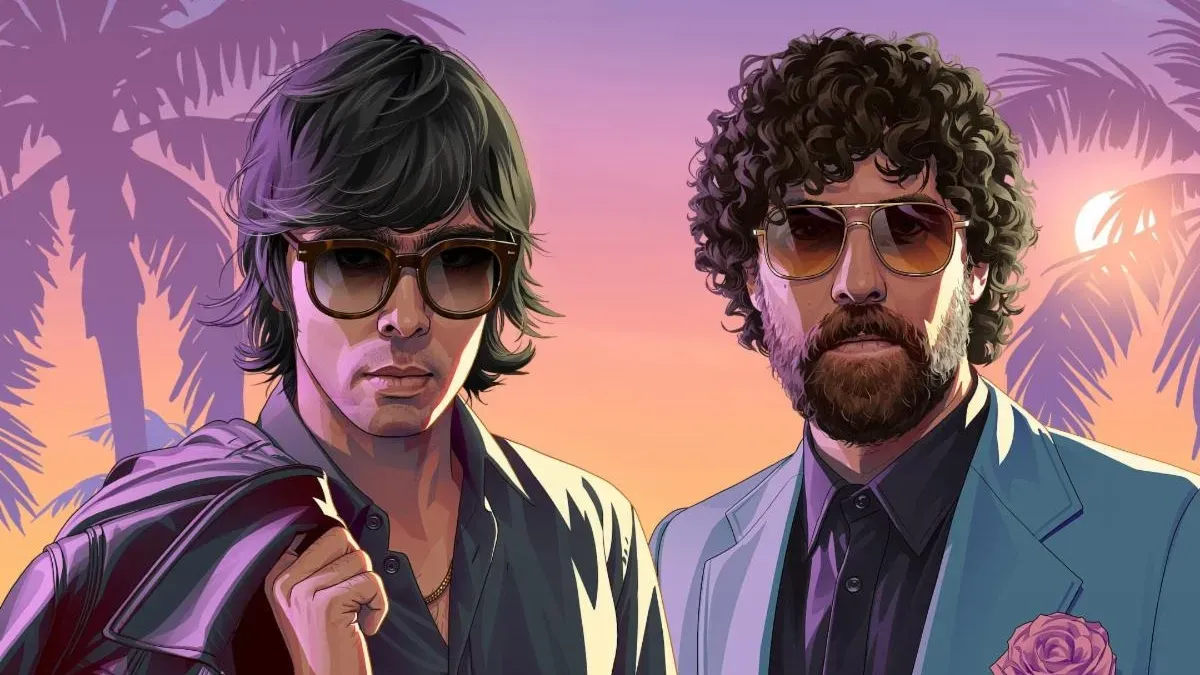
Justice to Score GTA 6, Share New Song with Tame Impala, SZA, King Gizzard
Rockstar taps the French duo for the GTA VI score, and the first taste is a genre-melting collab with Tame Impala, SZA, and King Gizzard & The Lizard Wizard.