
Six Flags death spotlights the loophole that leaves coaster safety to states
A rider was thrown from Goliath, and experts say a federal gap lets major parks dodge CPSC oversight, leaving states to police the rides.
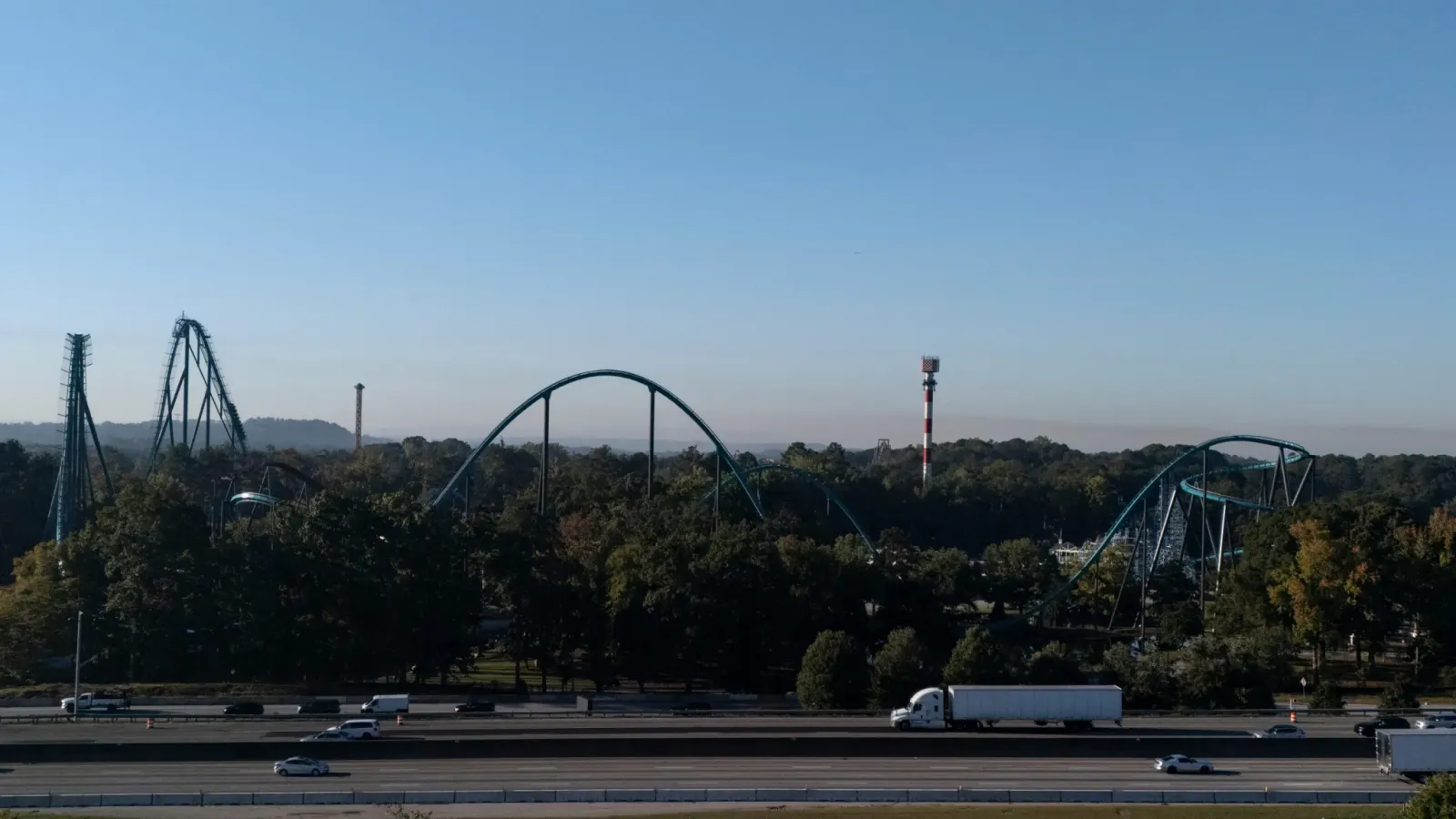
The death of Hassan Jihad Ibn Kariem, 42, on Six Flags Over Georgia's Goliath roller coaster has renewed scrutiny of a federal loophole that exempts stationary amusement park rides from Consumer Product Safety Commission oversight. For executives, the incident signals potential regulatory change and heightened liability scrutiny across the theme park industry.
A 42-year-old man was thrown from the Goliath roller coaster at Six Flags Over Georgia on Monday, and the death is now exposing a regulatory gap that leaves major amusement park rides outside federal oversight. Hassan Jihad Ibn Kariem was ejected from his seat on the 200-foot drop ride, striking other patrons before landing below, according to Georgia officials. The ride, which reaches 70 mph, has operated at the park for two decades. Six Flags temporarily closed nine similar coasters across North America out of an abundance of caution.
The gap at the center of the scrutiny: in the U.S., roller coasters and other rides at major amusement parks are not regulated by the federal government. That responsibility falls to states, creating a patchwork where some states have strict rules and others have little to no oversight. U.S. Sen. Ed Markey of Massachusetts has repeatedly introduced legislation to close what he calls a loophole in federal law that allows U.S. safety officials to regulate mobile rides but prevents the Consumer Product Safety Commission from overseeing stationary rides like those at major parks. Brian Avery, a University of Florida professor and amusement ride safety expert, said more federal regulations are needed. "Who's watching those in these organizations to ensure that they are adequately trained, that they are compliant, that they are monitoring these rides to the level in which the standards have established?" Avery said.
The industry says its own standards and inspection layers make parks safe. Operators worldwide generally adhere to ASTM standards set by industry experts, covering design, construction, and rider acceleration limits. Dennis Speigel, a theme park consultant and past president of the International Association of Amusement Parks and Attractions, said park operators face pressure from insurance carriers that could pay out heavily if something goes wrong. "With the checks and balances that are put in place, theme parks are really one of the safest places to be on the planet," he said. The trade group puts the chance of serious injury on a U.S. ride at 1 in 15.5 million rides.
Still, the Goliath incident shows how quickly that record can be tested. Martin Lewinson, a roller coaster expert and professor at Farmingdale State College, said mechanical malfunction on Goliath would be difficult to imagine because of its design. The ride uses a pull-down lap restraint called a clamshell with a ratchet mechanism and multiple disks for redundancy. Operators see a green go light for every seat before dispatch, and the train should not proceed unless all restraints are locked. Nick Mendenhall, who has ridden Goliath more than a dozen times in recent weeks, said he saw staff check restraints every time: two employees push down on each side of the train to make sure it locks.
But few things are 100% safe. In 2022, a 14-year-old Missouri boy fell to his death from an Orlando ride when the harness didn't lock properly due to his size. In 2013, a 52-year-old Dallas woman was killed when she slipped out of her seat on the Texas Giant at Six Flags Over Texas. Six Flags later added redesigned restraint-bar pads, seat belts, and a test seat at the ride's entrance so guests can check whether they fit safely.
State oversight varies widely. California's Department of Industrial Relations approves new and modified rides and either inspects them annually or relies on owner inspections. Florida's largest theme parks, including Walt Disney World and Universal, are exempt from state safety inspections and conduct their own, though they must report injuries and deaths. Texas relies on private inspectors hired by park operators or their insurance companies. Arizona, where Six Flags Hurricane Harbor Phoenix is located, has no state-level agency regulating amusement park rides at all; it requires an annual private inspection with enforcement largely left to local government.
Georgia's Office of Insurance and Safety Fire Commissioner, which oversees annual ride inspections in the state, said it is conducting an in-depth and comprehensive review of Monday's incident, according to spokesperson Garrison Bennett. Ride manufacturer Bolliger & Mabillard said it is actively investigating and will not comment further until it understands what happened. The combination of a high-profile death, a federal loophole, and a patchwork of state rules is likely to intensify pressure on Congress and on park operators to demonstrate that their self-regulation is working.
For executives across the theme park and broader consumer-safety landscape, the stakes are clear: a single failure can trigger temporary shutdowns, as Six Flags' closure of nine coasters shows, and can revive legislative efforts that have stalled for years. The industry's safety record is strong by the numbers, but the regulatory structure that produced that record is fragmented. If Markey's bill gains traction, major parks could face federal oversight for the first time, changing compliance costs, inspection protocols, and liability exposure. Until then, the question Avery posed remains unanswered: who is watching the watchers?
This story's Key Insights and Take-aways are locked.
Create a free account to unlock Executive Actions for one credit.
Register to UnlockAlways free for Executives Club members. Join the Club
More in Business

Elon Musk unveils a flying car, and SpaceX helped build it
The Tesla CEO's showcase at a SpaceX facility signals a future where road and rocket engineering converge.

Apple's $2,000 iPhone Duo opens preorders, taking on Samsung and Google
Apple's first foldable hits the market at a premium price, reshaping a category Samsung and Google have led.

Pope Leo XIV, first American pope, diagnosed with lung cancer
The 71-year-old Chicago-born pontiff underwent successful surgery on his right lung, and his diagnosis raises new questions about his AI-focused papacy and the Vatican's future.