
Six Flags Georgia Death Shuts 9 Rides Across 6 Parks
A fatal incident on Goliath has triggered a sweeping multi-park shutdown, putting ride safety protocols and Six Flags' response under the spotlight.
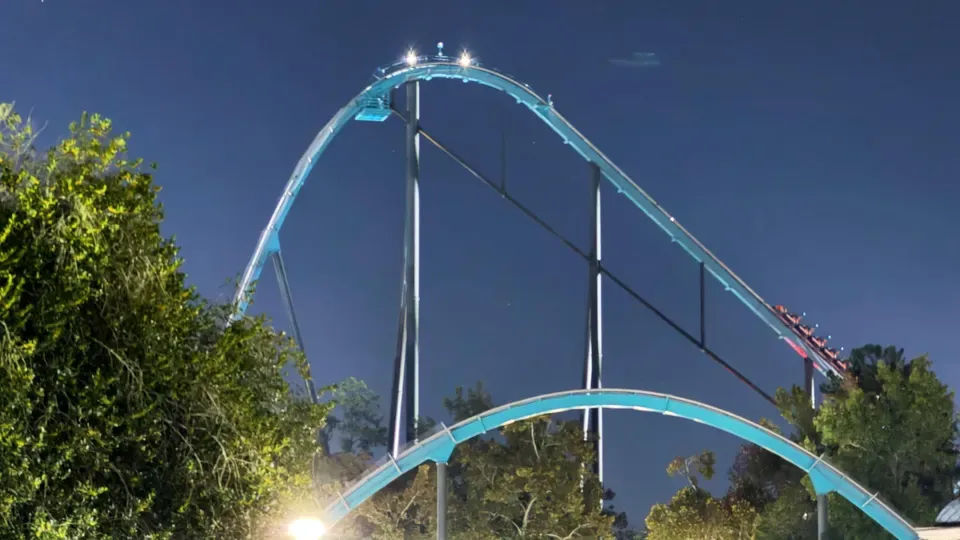
Six Flags Georgia's Goliath roller coaster is at the center of a fatal incident that killed one and injured several, prompting the closure of nine rides across six parks. For theme park operators and safety executives, the incident underscores the operational and reputational stakes of ride maintenance and incident response.
A fatal incident on Six Flags Georgia's Goliath roller coaster has left one person dead and several injured, and the fallout is already spreading: nine rides across six parks have been shut down. Authorities have not yet said what caused the death, but the incident reportedly occurred on board the Goliath ride, one of the park's signature attractions. The shutdown is not limited to the Georgia park. Six Flags has closed nine rides across six parks, a sweeping precautionary move that signals how seriously the company is treating the incident. For a chain that depends on guest trust and repeat visits, every closed ride is a revenue hit and a reputational test.
Six Flags is one of the largest regional theme park operators in North America, with dozens of parks and hundreds of rides. The Goliath at Six Flags Over Georgia is a steel roller coaster known for its height and speed, and it has been a fixture at the park for years. While roller coaster accidents are rare, they attract intense scrutiny when they happen, because the public expects a near-zero tolerance for fatal failures. The fact that authorities have not yet identified a cause means the investigation could take days or weeks. In the meantime, the ride closures across multiple parks suggest Six Flags is not waiting for a definitive answer before acting.
Theme park ride safety is regulated at the state level in the U.S., and Georgia is one of the states with an active inspection program. That patchwork of oversight means the investigation's outcome could vary depending on where the rides are located and which state agencies are involved. For a company operating across multiple states, a single incident can trigger a cascade of compliance reviews, each with its own rules and reporting requirements. The decision to shut nine rides across six parks is a defensive move: it protects guests, but it also protects the company from the appearance of underreacting. The financial impact will depend on how long the rides stay closed and whether the investigation finds a systemic issue.
For other theme park operators, the incident is a reminder that a single ride failure can ripple across an entire portfolio. The immediate cost of closing rides is measurable in lost ticket sales, staffing inefficiencies, and guest compensation. But the larger cost is the erosion of confidence. Theme parks sell thrills, and the implicit promise is that the thrill is controlled and safe. When that promise is broken, even temporarily, guests may hesitate before booking their next visit. That hesitation hits not just Six Flags but the entire regional theme park industry, which competes for the same family entertainment dollars.
The bigger question is what the investigation uncovers. If the cause is traced to a maintenance lapse, Six Flags could face regulatory fines, lawsuits, and a hit to its brand. If it is a freak mechanical failure, the company may still face pressure to retrofit or retire similar rides. Either way, the incident raises the bar for ride safety documentation and transparency across the industry. Operators will likely review their own maintenance logs and inspection records, looking for any pattern that could be flagged as a risk. The public and regulators will be watching how Six Flags communicates its findings and whether it takes corrective action beyond the immediate closures.
For executives in any business that operates heavy machinery or high-risk assets, the lesson is straightforward: when something goes wrong, the speed and scope of your response becomes the story. Six Flags has moved quickly and broadly, but the long-term cost will be measured in trust as much as in dollars. The company's next steps, from the investigation's findings to the reopening of rides, will be scrutinized by guests, investors, and safety advocates alike. The incident is a stark reminder that in the experience economy, safety is not just a compliance issue. It is the product itself.
This story's Key Insights and Take-aways are locked.
Create a free account to unlock Executive Actions for one credit.
Register to UnlockAlways free for Executives Club members. Join the Club
More in Business

Elon Musk unveils a flying car, and SpaceX helped build it
The Tesla CEO's showcase at a SpaceX facility signals a future where road and rocket engineering converge.

Apple's $2,000 iPhone Duo opens preorders, taking on Samsung and Google
Apple's first foldable hits the market at a premium price, reshaping a category Samsung and Google have led.

Pope Leo XIV, first American pope, diagnosed with lung cancer
The 71-year-old Chicago-born pontiff underwent successful surgery on his right lung, and his diagnosis raises new questions about his AI-focused papacy and the Vatican's future.