

Six Flags Stock Plunges After Fatal Roller Coaster Ejection in Georgia
A 42-year-old rider was ejected from a coaster at Six Flags Over Georgia, striking passengers and prompting ride closures as investors flee the stock.
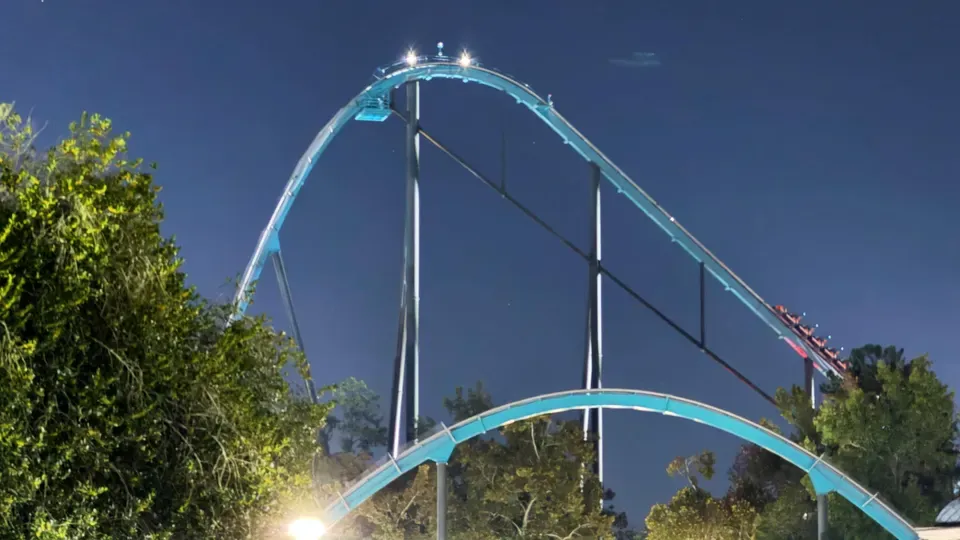
Six Flags Entertainment's stock plunged after a 42-year-old man was ejected from a roller coaster at Six Flags Over Georgia, striking other passengers before falling under the ride. The incident forces ride closures and raises regulatory, legal, and reputational risks for the theme park operator.
Six Flags Entertainment's stock plunged after a 42-year-old man was ejected from a roller coaster at its Six Flags Over Georgia park, striking other passengers before falling under the ride, authorities said. The incident forced ride closures at the Atlanta-area park and sent shares tumbling as investors priced in the immediate financial and reputational damage. The stock's decline underscores how quickly a single safety failure can erase market value in the theme park industry.
The man's death, which the company has not yet publicly addressed in detail, marks one of the most serious safety failures at a major U.S. theme park in years. Authorities said the rider was "ejected" from the coaster, a rare and violent failure that also injured other passengers on the ride. The park's parent company, Six Flags Entertainment, has not issued a detailed public statement, but the stock move reflects investor alarm over potential liability, regulatory fines, and a possible drop in attendance.
For Six Flags, the timing is particularly delicate. The company recently completed a merger with Cedar Fair, creating one of the largest amusement park operators in North America. The integration process is still underway, and a safety crisis at a flagship property could distract management and complicate efforts to realize cost synergies. Investors had already been watching the company's debt load and attendance trends; this incident adds a fresh operational risk that could slow the combined company's momentum and make it harder to win back skeptical consumers.
Safety incidents at amusement parks historically trigger immediate stock selloffs, but the long-term damage depends on the investigation's findings. State regulators in Georgia will likely lead the probe, and the park could face fines, lawsuits from the victim's family and injured passengers, and heightened scrutiny from ride safety inspectors. The specific ride involved has been closed, along with others, as authorities determine what went wrong. The company's cooperation with investigators will be critical in shaping both the regulatory outcome and public perception. Any evidence of maintenance lapses or design flaws could expose Six Flags to punitive damages and stricter oversight.
For investors, the key question is whether this is an isolated mechanical failure or a systemic safety problem. Fatal ejections are extremely rare in the modern theme park industry, which relies on redundant restraint systems and regular inspections. When they do occur, they often prompt industry-wide reviews of ride safety standards and maintenance practices. Six Flags has faced previous incidents, but a fatality of this kind is exceptional and could trigger more aggressive oversight from state regulators and insurers. The company's safety record will now be under a microscope, and any past violations could resurface in the investigation.
The broader theme park sector will be watching closely. A finding of negligence could lead to stricter state regulations, higher insurance premiums, and increased scrutiny of ride maintenance across the industry. Competitors like Disney and Universal, which operate their own parks, may face questions about their safety protocols even though they are not directly involved. For publicly traded operators, the incident is a reminder that a single failure can erase billions in market value in hours, as seen in past incidents at other amusement companies. The market's reaction also reflects broader anxiety about consumer discretionary spending, as families may think twice before visiting parks in the wake of the news.
For Six Flags management, the immediate priority is transparency and safety. The company needs to cooperate fully with investigators, communicate clearly with the public, and reassure guests that its rides are safe. Failure to do so could extend the stock's decline and damage the brand for years. The incident also underscores the physical risks inherent in thrill rides, which are designed to push the limits of acceleration and height. While rare, ejections can occur when restraint systems fail or malfunction, and this case will likely prompt a review of similar rides across the industry. Operators may face pressure to add redundant safety systems, such as secondary lap bars or sensor-based locking mechanisms.
The financial impact will depend on how quickly the investigation concludes and whether the company is found at fault. In past cases, theme park operators have settled lawsuits and implemented new safety measures, but the reputational damage can linger. For Six Flags, the challenge is to demonstrate that this was an anomaly, not a symptom of deeper maintenance problems. Investors will be watching for updates on the investigation, any regulatory actions, and the company's response. The stock's recovery will hinge on restoring confidence in the safety of its parks, and management's handling of this crisis will set the tone for the entire industry.
This story's Key Insights and Take-aways are locked.
Create a free account to unlock Executive Actions for one credit.
Register to UnlockAlways free for Executives Club members. Join the Club
More in Business

Elon Musk unveils a flying car, and SpaceX helped build it
The Tesla CEO's showcase at a SpaceX facility signals a future where road and rocket engineering converge.

Apple's $2,000 iPhone Duo opens preorders, taking on Samsung and Google
Apple's first foldable hits the market at a premium price, reshaping a category Samsung and Google have led.

Pope Leo XIV, first American pope, diagnosed with lung cancer
The 71-year-old Chicago-born pontiff underwent successful surgery on his right lung, and his diagnosis raises new questions about his AI-focused papacy and the Vatican's future.