
Sky pledges $2bn to ITV studios as it nears a £1.6bn takeover deal
The investment vow aims to protect UK hits like Coronation Street and Love Island while Sky works through its ITV acquisition timeline.
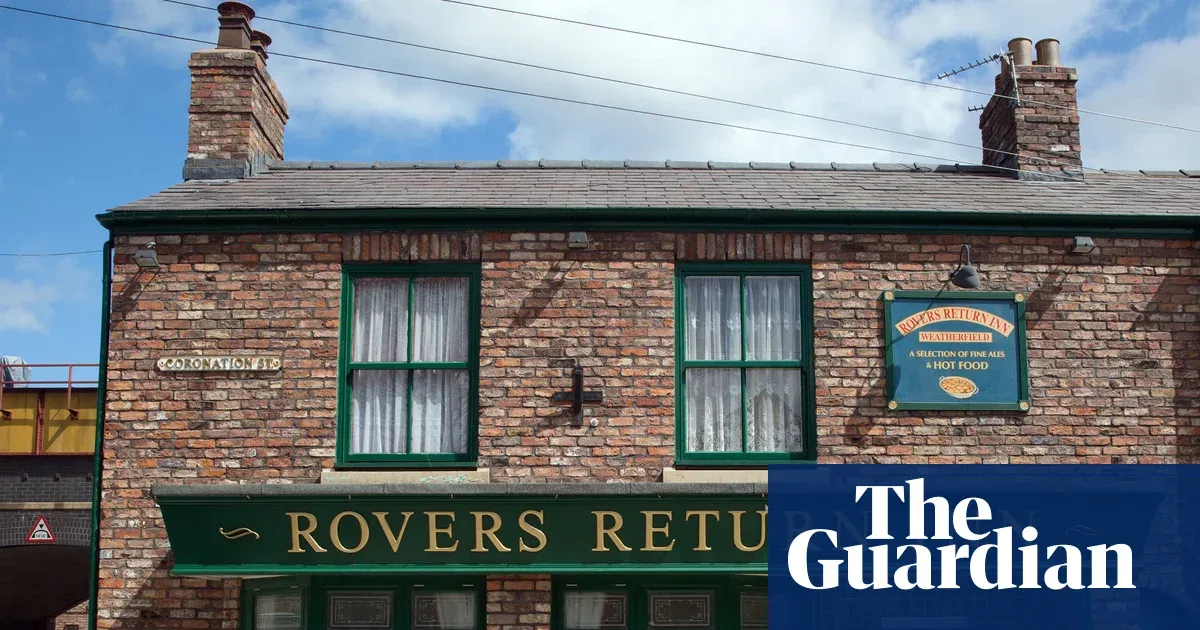
Sky, owned by Comcast, has committed to spend £2bn on ITV studios over the next five years while finalizing talks to buy ITV's broadcasting and streaming operations. For decision-makers, the pledge reframes the takeover from a pure media consolidation play into a continuity and capacity bet for programming and production.
Sky is putting real money behind the most delicate part of any UK TV takeover: keeping the shows the public actually notices. As it prepares for a takeover of ITV’s broadcasting arm, Sky has pledged £2bn to ITV’s studios business over the next five years, explicitly tying the commitment to safeguarding the future of popular programmes such as Coronation Street and Love Island.
The scale and timing matter. The deal, reported as worth £1.6bn, could be announced in early July, according to the Sunday Times. And because this is a takeover of ITV’s media and entertainment operations, including its free-to-air TV channels in the UK and the ITVX streaming platform, the £2bn pledge is also a signal about what Sky intends to preserve and control across both linear TV and streaming. In other words, Sky is trying to buy more than assets, it is buying continuity.
For executives, that distinction is not academic. A studios business is a production engine, and UK audiences may not think about who owns the engine, but they definitely feel what happens when it slows down. A pledge like this is designed to reduce the risk that a combination focused on distribution and scale ends up starving production, cutting long-term capacity, or re-optimizing toward only the short-term “safe” content. If Sky’s takeover changes decision rights over where episodes get made and how projects get financed, a £2bn studios commitment gives the market something concrete to point to when questions arrive.
This is also where incentives and negotiation dynamics get interesting. Sky, owned by the US telecoms company Comcast, has been in talks for months to buy ITV’s media and entertainment operations. That length of runway suggests a complex process, not a quick handshake. On one side, ITV is weighing the value of selling its broadcasting and streaming footprint versus holding out for better terms or alternative paths. On the other side, Sky is working to secure something strategically important, because ITV’s mix of free-to-air channels in the UK and ITVX streaming provides reach across the two viewing worlds regulators and investors increasingly treat as one competitive battleground.
Regulatory scrutiny is usually the invisible third actor in deals like this, especially when they involve large media platforms and recognizable national brands. Even without the specific details of the regulator in the source material, the shape of the business being acquired tells you why review would be high stakes. A combined entity would control both delivery (channels and a streaming platform) and a meaningful part of the content supply chain. That overlap can raise questions about competition, bargaining power with advertisers and distributors, and the future independence of production.
The £2bn pledge is, in part, an attempt to put a guardrail around those concerns. Commitments to spend money inside the acquired ecosystem are often used to demonstrate that the acquirer has a plan beyond short-term consolidation. Instead of treating studios as just an owned cost center, Sky is framing them as a future growth and resilience asset. If regulators and policymakers are looking for evidence that the deal will not hollow out the creative pipeline, a multi-year spending plan creates a measurable narrative.
There is also a broader industry angle. UK broadcasting is under pressure from shifting viewing habits and the long-term economics of streaming. When a deal spans free-to-air channels and a streaming product like ITVX, it is implicitly about how quickly traditional media adapts to the streaming economy, and who controls the relationship between audience attention and content production. Sky’s decision to spend heavily on ITV’s studios suggests a belief that content volume, production capacity, and continuity of flagship programmes matter just as much as platform distribution.
For peers in similar roles, the strategic stakes are simple: acquisitions in media are never only about purchase price. They are about how you manage continuity, scale, and regulatory optics at the same time. If Sky’s takeover progresses toward an early July announcement, boards and leadership teams across the sector will be watching two things closely. First, whether the £2bn studios commitment becomes a credible “plan for the future” rather than marketing. Second, whether owning both distribution and production supply becomes an advantage that regulators accept, or a complication that slows the deal. Either way, the lesson is hard to miss: in media, the fastest way to lose trust is to sound like you only care about assets. Sky is trying to prove it cares about the shows.
This story's Key Insights and Take-aways are locked.
Create a free account to unlock Executive Actions for one credit.
Register to UnlockAlways free for Executives Club members. Join the Club
More in Business

A flaw in PHP just forced governments to pull their own sites offline
European agencies from Belgium to Germany took websites dark to patch a critical weakness in the language behind almost 70% of the web, and the blast radius extends far beyond government portals.

BioWare shuts down, Mass Effect 5 dead after $55B EA buyout
The legendary RPG studio's closure lands months after a $55 billion investment group buyout of EA, raising tough questions for gaming's biggest acquirers.
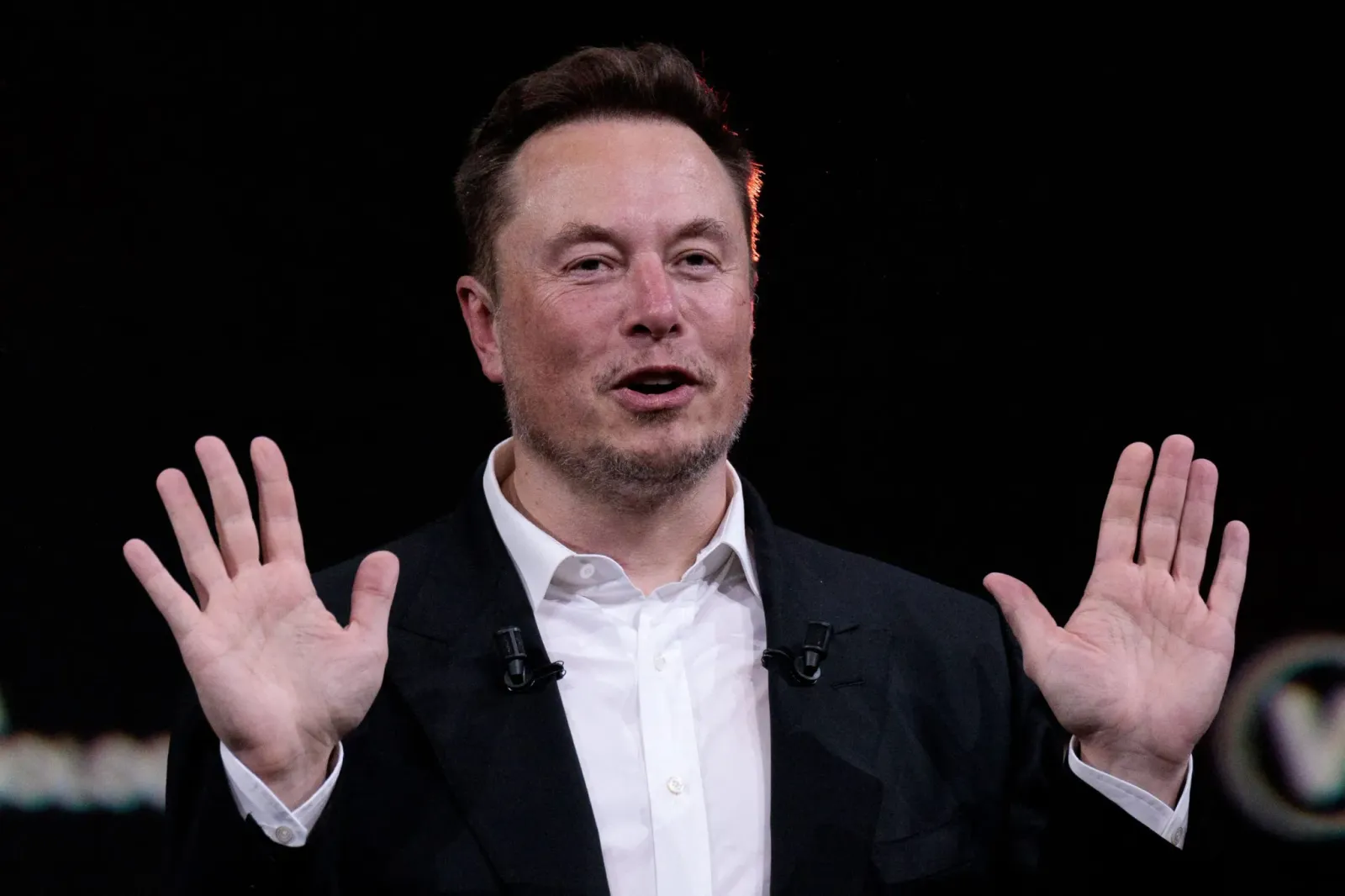
Musk barred from the room as Tesla, SpaceX boards weigh $3.5 trillion merger
The CEO of both companies is a 'conflicted party' watching independent directors negotiate a tie-up that would create a $3.5 trillion giant he would own about a third of.