

Smart bulbs burn power in standby, but dimming and schedules can still win
Connectivity adds constant draw, yet features can offset it depending on use patterns and how you compare costs.
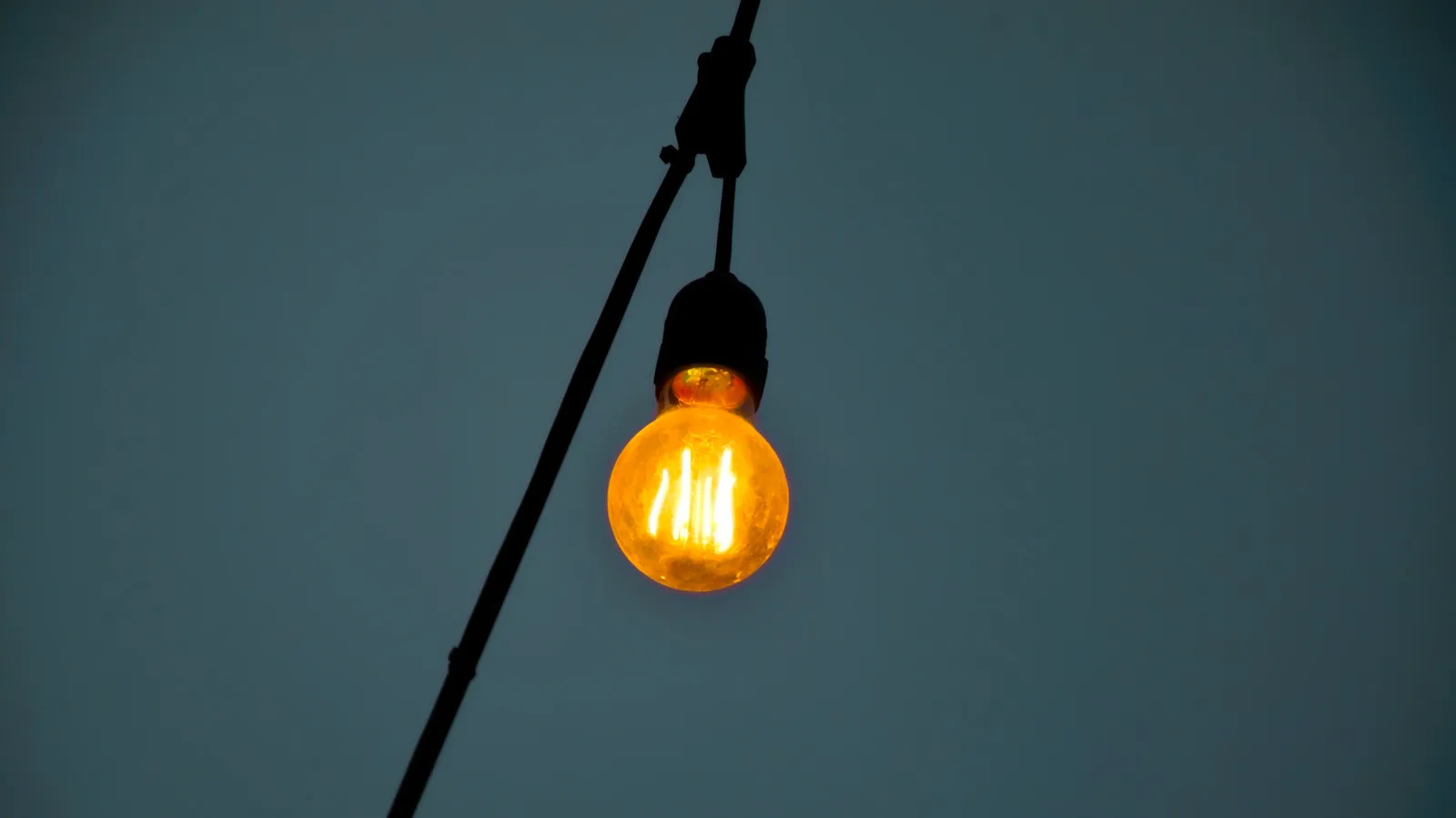
The Engadget explainer asks whether smart bulbs cost more to run than standard LEDs when you factor in connectivity's constant energy draw. For decision-makers and operators evaluating home or facility upgrades, the consequence is simple: smart features only pay back if energy use and behavior change enough.
The question is more annoying than it sounds: do smart bulbs end up more expensive to run than standard LEDs, once you account for the constant energy draw needed for connectivity? Engadget is focused on the tradeoff that matters in real life, not marketing copy. Smart bulbs do not just glow. They stay connected, which means they are typically drawing some power even when they look “off” to your eyes.
So the real test is whether benefits like dimming and scheduling make up for that baseline consumption. Dimming can reduce brightness and therefore reduce power usage while lights are on, but it cannot erase power consumed just to maintain connectivity. Scheduling can also cut usage time by turning lights off when nobody needs them, which can reduce total hours of operation. In other words, the offset is behavioral and feature-driven. If you use those features, smart bulbs have a path to win. If you do not, the standby draw becomes a quiet surcharge.
To understand why this is a real decision point, zoom out to how smart lighting typically fits into energy economics. Standard LEDs are already efficient compared to older lighting technologies because they convert electricity to light with less waste heat. Smart bulbs piggyback on that efficiency, but they add extra electronics. The key complication is that lighting costs in most settings do not come from a single setting. They come from a mix of hours, brightness levels, and operating schedules. That mix can easily swing the answer.
Think about the typical use case for smart bulbs: you are not just replacing a bulb, you are changing how lighting is controlled. Dimming and scheduling are the two features Engadget calls out because they directly target how much energy you use after installation. Dimming reduces energy draw during illumination, assuming the bulb’s power scales with brightness (as most LED dimming does). Scheduling reduces “on time.” If your current lighting pattern wastes hours, scheduling can trim those wasted hours. If your current pattern already turns lights off efficiently, the upside shrinks.
There is also a subtlety that boards and operators tend to underestimate in consumer tech evaluations: baseline power is the kind of cost that shows up consistently, not occasionally. Standby draw does not care if your household or office is having a busy day. It adds up over months. That means the question is not only “Do smart bulbs use power?” It is “How much standby power, relative to your reduction from dimming and scheduling?” Engadget frames it as whether the benefits make up for the constant energy draw required for connectivity, and that is the balancing equation you should keep in mind.
Regulatory and standards context makes this even more important for anyone thinking beyond a single home. Energy efficiency rules and labeling regimes for lighting have pushed LEDs toward very low power usage per lumen. But smart connectivity features add a different dimension: the devices have to comply with efficiency expectations for normal operation, while also managing power consumption in states that matter to users, like standby or “connected but idle.” Even when regulations do not directly police every scenario, they influence how manufacturers design power management and how products are marketed. The result is that connectivity is treated as a feature that must coexist with efficiency rather than replace it.
Second-order implications follow quickly. If smart bulbs only break even under specific usage patterns, your deployment strategy matters. A pilot that looks great during one week of active scheduling may look different once people revert to defaults. Conversely, an environment that already operates with tight routines may not need smart capabilities to save energy, but might still benefit from convenience. That means the decision is less about whether smart bulbs are “better” in some universal sense and more about whether your actual behavior or operational control system will consistently trigger the energy-saving features.
For executives and operators considering smart lighting as part of broader digital upgrades, the lesson is transferable. When you adopt connected hardware, you are buying two things: a capability and an ongoing resource cost. The capability can reduce waste, but only if the reduction is real in how the product is used, not just in the brochure. Dimming and scheduling are exactly the kind of mechanisms that can convert that promise into measurable savings. The standby draw is the tax you pay to keep those mechanisms available. Your job, and your board’s job if you are investing in deployments, is to ensure the offset is built into daily reality.
This story's Key Insights and Take-aways are locked.
Create a free account to unlock Executive Actions for one credit.
Register to UnlockAlways free for Executives Club members. Join the Club
More in Technology

Nvidia's $89B data center quarter: the 9 companies cashing in
The AI buildout is minting fortunes beyond GPUs, and memory, cloud, and cooling suppliers are riding the same wave.

Google quietly links your phone number to every Android account on your SIM
Adding a SIM now ties your phone number to all Google accounts - and future accounts inherit it. Here's the security and privacy stakes.

Hijacker AI 'Skynet mode' runs 100,000 attack steps against exposed models
Symantec caught a criminal AI agent that borrows other models, steals data, and mines crypto; the only relief is no confirmed victims yet.