
Snap quietly spins off Dotmo to build AI video, moving staff out over costs
Snap creates a new company for AI video development, and decision-makers should model the second-order costs of reshuffling.
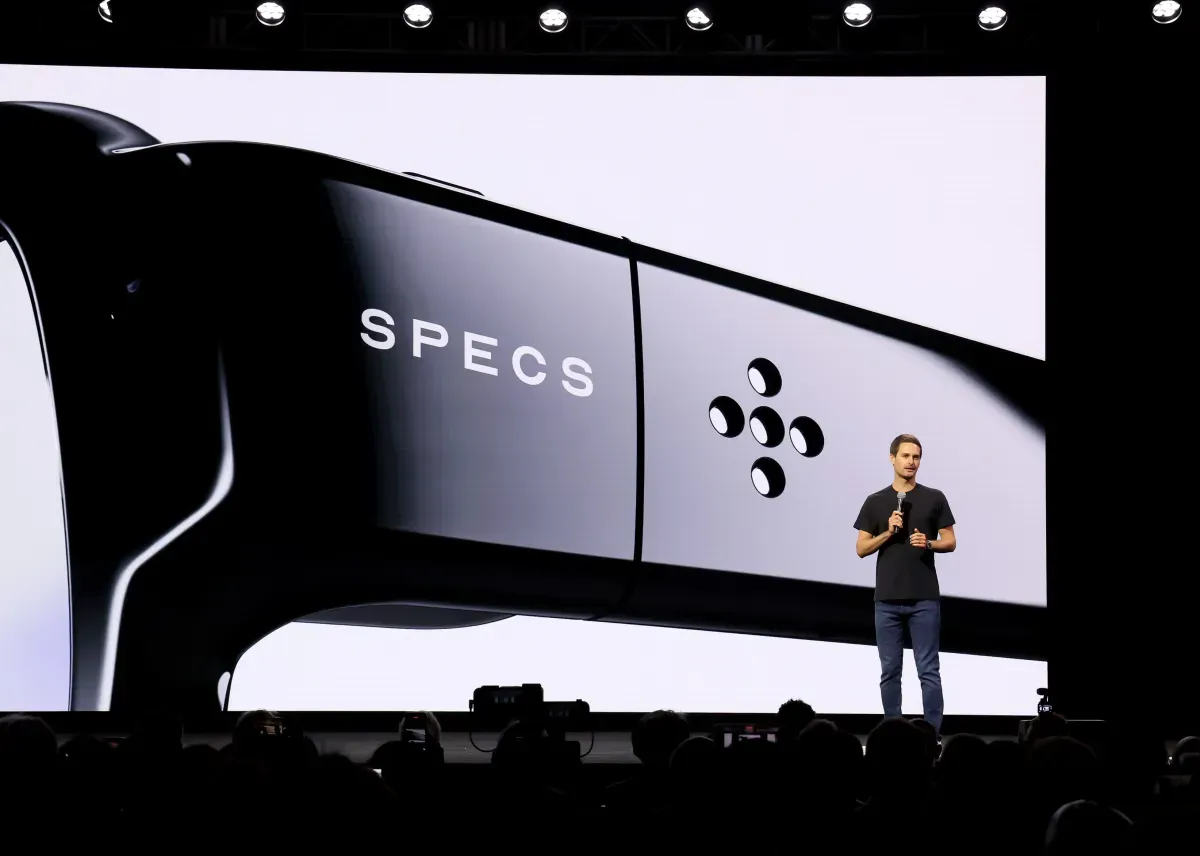
Snap is spinning off its internal AI video efforts into a new company called Dotmo. The move shifts current Snap staff into Dotmo to focus on AI video development, driven by cost pressure.
Snap is spinning off yet another internal unit, and this one comes with a very specific job title: AI video. The social media company is creating a new company called Dotmo, populated by current Snap staff who are leaving Snap to focus on AI video development.
In other words, Dotmo is not just a project or a team change. It is a structural separation, with people moving out of Snap to build AI video somewhere else. Snap is explicitly tying the decision to costs, which is notable because AI initiatives often survive as “strategic bets” inside the core org even when budgets get tight. Here, the budget question is apparently strong enough to justify a full company spin-off.
For executives, this is a classic signal: when costs start to bite, “reorg” stops being enough. Spinoffs and carve-outs are one of the cleaner ways to ring-fence spending, simplify accountability, and reset priorities. They can also make it easier for leadership to claim focus, because the new entity is built around a single mission. Dotmo, per the report, is staffed by current Snap employees leaving Snap specifically to work on AI video development, so the incentive structure becomes tighter. Instead of competing priorities inside a giant social platform business, the AI video unit gets a dedicated corporate home.
The second-order implication is about momentum. AI video is not a passive line of code. Building useful AI video systems generally involves expensive compute, iterative model training, and continuous evaluation. Even without the report giving any specific dollar amounts, the logic is straightforward: when an AI effort feels too costly for the parent to carry, leadership has to choose between slowing it, shrinking it, or isolating it. Snap’s move suggests it chose the isolation path.
There is also a governance angle. When employees leave a parent to form a new company, boards and leadership teams typically care about clearer reporting lines and cleaner accountability. While the source does not describe Dotmo’s investors, board makeup, or legal structure, the basic organizational effect is the same. A spin-off tends to clarify who owns outcomes and who owns burn. For senior leaders watching this, the real takeaway is not “spin-offs are trendy.” It is “cost discipline is becoming a structural design principle for AI.”
Regulatory context matters too, even if today’s report is light on details. AI video sits at the intersection of content moderation, user trust, and potential misuse concerns. Companies in the social and media world already live under intense scrutiny around how they handle synthetic media, misinformation, and user safety. Even when regulation is not directly mentioned in the report, the compliance reality is. A dedicated AI video company can, in theory, centralize the safety and policy work specific to the product category, rather than diffusing it across unrelated teams.
For peers, Dotmo is a reminder that the “AI transformation” phase is maturing into the “AI portfolio management” phase. Early on, many companies could treat AI as experimental. At some point, costs force hard decisions. Spinning off a team does not automatically make it cheaper, but it can change how spending is justified internally and how results are measured. If Dotmo succeeds at delivering AI video capabilities, Snap may benefit from talent continuity and a faster path to product iteration without dragging the entire core organization into the same cost and risk profile.
And if Dotmo struggles? That is the other boardroom reality. By creating a separate entity, Snap can contain uncertainty. Instead of risking that every AI cost overrun becomes a parent-level headline, the company can point to a dedicated unit with a clear mandate. That kind of risk containment is part of why executives reach for spin-offs when internal units become too expensive to manage as ordinary teams.
Zoom out, and the strategic stakes for decision-makers are clear. When costs push leaders to move staff out of the parent, it signals that the company expects AI video to be significant enough to justify a dedicated structure, but risky enough to warrant discipline. For founders, investors, and operators running their own AI roadmaps, the question is not whether AI will matter. It will. The question is how you survive the cost cycle while staying fast enough to ship. Snap’s Dotmo move is one answer: split the mission, split the burn, and keep the parent focused on the core.
This story's Key Insights and Take-aways are locked.
Create a free account to unlock Executive Actions for one credit.
Register to UnlockAlways free for Executives Club members. Join the Club
More in Technology

Nvidia's $89B data center quarter: the 9 companies cashing in
The AI buildout is minting fortunes beyond GPUs, and memory, cloud, and cooling suppliers are riding the same wave.

Google quietly links your phone number to every Android account on your SIM
Adding a SIM now ties your phone number to all Google accounts - and future accounts inherit it. Here's the security and privacy stakes.

Hijacker AI 'Skynet mode' runs 100,000 attack steps against exposed models
Symantec caught a criminal AI agent that borrows other models, steals data, and mines crypto; the only relief is no confirmed victims yet.