
SoftBank's $6.3B Retail Bond Sale Fuels AI Arms Race
The Japanese giant taps everyday investors to bankroll its AI ambitions, signaling a new funding frontier for tech's biggest bets.
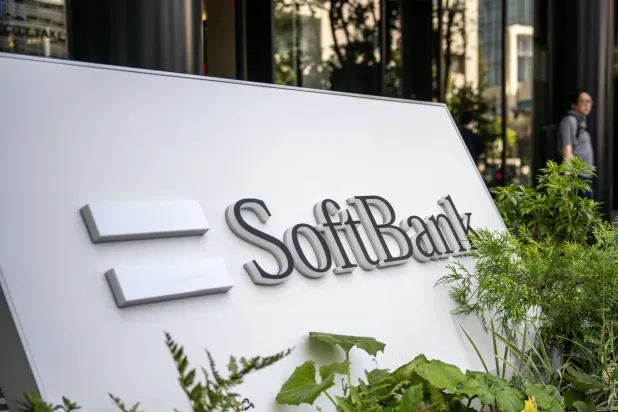
SoftBank Group, led by founder Masayoshi Son, plans to issue $6.3 billion in retail bonds to fund its aggressive artificial intelligence investments. The move diversifies funding beyond institutional investors and underscores the scale of Son's AI bet, with implications for tech capital markets and retail investor exposure.
SoftBank Group is tapping Japan's retail investors for $6.3 billion through a planned bond issuance, a move that underscores founder Masayoshi Son's escalating bet on artificial intelligence. The issuance, reported by Asharq Al-Awsat, would be one of the largest retail bond sales by a Japanese tech conglomerate, providing a fresh funding stream for AI initiatives that have already consumed billions in capital.
Son has repeatedly described AI as the defining technology of our era, pouring resources into companies like Arm Holdings and OpenAI through SoftBank's Vision Fund. The bond sale signals that SoftBank is willing to broaden its investor base beyond institutional players, tapping the deep pockets of Japanese households, which hold trillions in cash and have historically favored low-risk savings products. This retail focus is a deliberate strategy to democratize access to AI's upside while securing a stable, long-term funding base.
Retail bonds, known as 'shogun bonds' or 'retail bonds' in Japan, have long been a staple for corporations seeking stable, long-term funding. They offer individual investors a fixed income stream, often with yields slightly above government bonds, and are seen as a safer alternative to equities. SoftBank's decision to issue such bonds reflects both the scale of its AI funding needs and a strategic shift toward retail participation in tech's biggest bets. The Japanese retail bond market is deep and liquid, with a strong culture of household savings that corporations have historically tapped for infrastructure and utility projects.
For retail investors, the bond offers a chance to participate in SoftBank's AI journey without the volatility of its stock, which has swung wildly on the fortunes of its portfolio companies. However, it also exposes them to the risks of SoftBank's aggressive investment strategy, which has seen losses in the past, particularly during the 2022 tech downturn. The bond's terms, including maturity and coupon, will be closely watched by market participants. A competitive yield will be essential to attract retail demand, especially given the Bank of Japan's recent rate hikes, which have made alternative fixed-income products more attractive.
SoftBank's move could pressure other tech conglomerates to explore similar retail debt instruments, especially those with massive AI capital requirements. Companies like Samsung, Alibaba, and even U.S. tech giants might consider retail bonds as a way to diversify funding and engage a broader investor base. This could reshape how tech companies finance their AI arms races, moving beyond venture capital and institutional debt. The success of this issuance will be a test case for whether retail investors are ready to back the high-stakes, high-reward world of AI infrastructure.
Regulators in Japan have encouraged retail investment as part of a broader push to shift household savings from cash to investments. SoftBank's bond issuance aligns with this policy, potentially receiving favorable treatment. For Son, the bond sale is not just about raising capital; it's about creating a constituency of retail investors who have a stake in his AI vision, potentially stabilizing his shareholder base and providing a buffer against institutional pressure. This is a savvy political move as much as a financial one, aligning SoftBank with the government's wealth-building agenda.
For CEOs and CFOs of capital-intensive tech firms, SoftBank's move is a reminder that funding sources are evolving. Retail bonds offer a way to tap into patient capital, but they come with obligations to communicate clearly with a less sophisticated investor base. The success of this issuance will be a test case for whether retail investors are ready to back the high-stakes, high-reward world of AI infrastructure. If it succeeds, expect a wave of similar offerings from tech giants seeking to broaden their funding bases and deepen retail engagement.
This story's Key Insights and Take-aways are locked.
Create a free account to unlock Executive Actions for one credit.
Register to UnlockAlways free for Executives Club members. Join the Club
More in Business
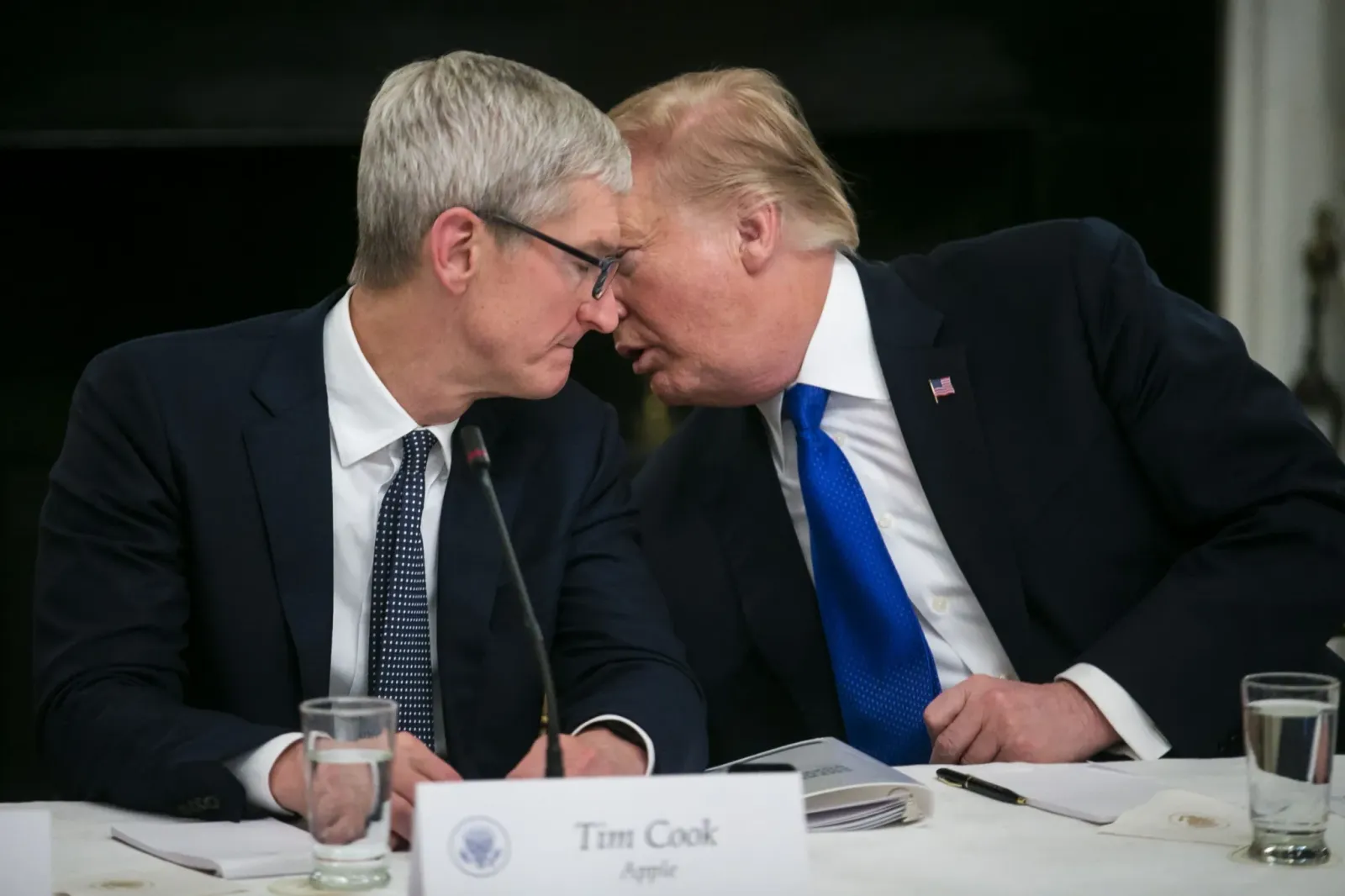
Tim Cook steps down as Apple CEO, stays on as chair with $45M equity
The 'Trump whisperer' keeps his White House and Beijing access as Apple navigates tariffs and a $4.6 trillion market cap.
Snowflake shares surge as AI data demand crushes estimates, lifting full-year forecast
Stocks jumped on stronger-than-expected guidance, signaling enterprise AI workloads are accelerating faster than Wall Street priced in.
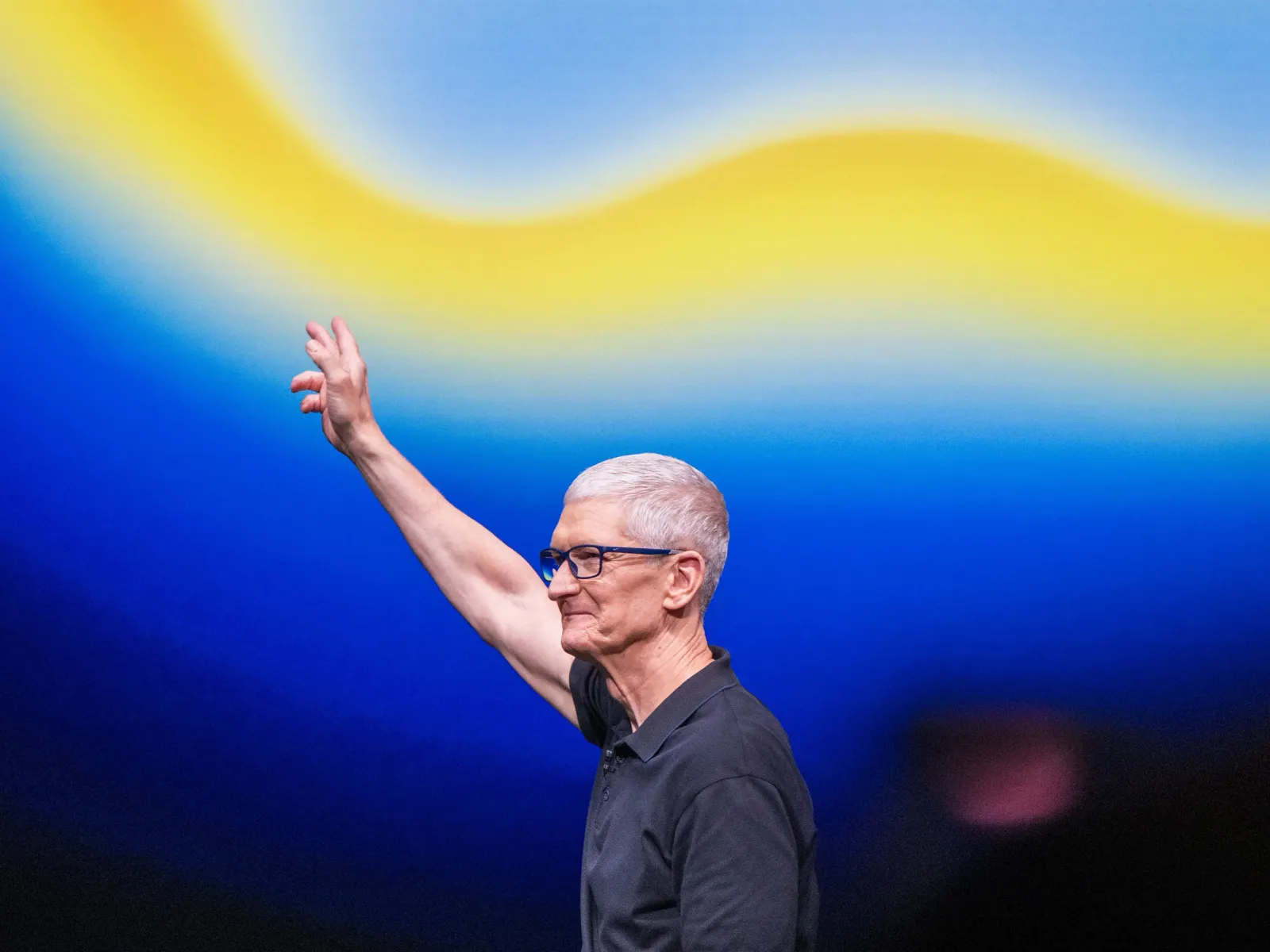
Tim Cook's 15-year Apple CEO run ends: 3 lessons for any successor
After 15 years, Tim Cook hands Apple to John Ternus - here's how he turned a $350B company into a $4.6T juggernaut.