

SoftBank's solar arm quietly powers Son's AI ambitions
SB Energy's renewable projects are the unsung foundation of Masayoshi Son's AI push - and a warning to rivals about who controls the power behind the chips.
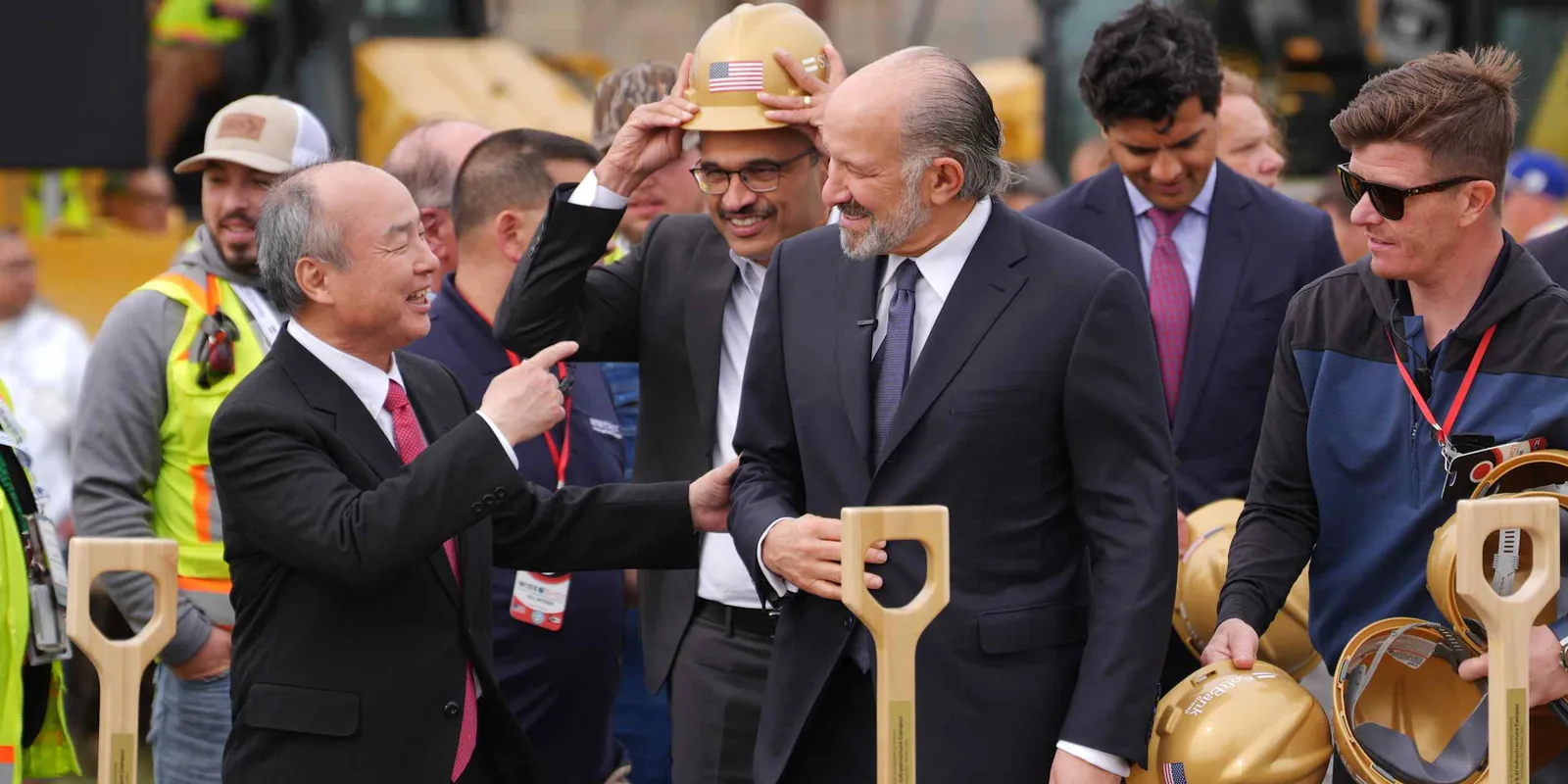
Masayoshi Son's SoftBank is leaning on its renewable-energy subsidiary SB Energy to secure the electricity needed for its artificial-intelligence expansion. For decision-makers, the move underscores how AI's soaring power demand is turning energy infrastructure into a strategic battleground.
SoftBank's solar arm is quietly becoming the backbone of Masayoshi Son's artificial-intelligence ambitions. SB Energy, the conglomerate's renewable-energy subsidiary, is doing the spadework for Son's AI drive, according to Nikkei Asia - securing the vast amounts of electricity that AI data centers will need to function. The connection between solar panels and silicon chips is more direct than it appears. AI models consume staggering amounts of power, and Son has made AI the centerpiece of SoftBank's future. That makes SB Energy's portfolio of solar and wind projects a strategic asset, not merely a green-energy side bet. The unit is effectively laying the energy foundation for SoftBank's next act.
For years, SB Energy has operated in the background, building renewable projects in Japan and the United States. Now, with Son's pivot to AI, the unit's work has taken on new urgency. The company is not just generating clean power; it is securing the physical capacity that AI infrastructure demands. This is the kind of quiet, unglamorous work that rarely makes headlines, but it is essential to the AI story. Without reliable, affordable electricity, the most advanced chips are useless. SB Energy is ensuring that SoftBank's AI ambitions do not hit a power wall.
The move reflects a broader shift across the technology industry. Hyperscalers like Amazon, Microsoft, and Google have been signing massive power purchase agreements with renewable developers to feed their data centers. SoftBank's approach is different: it owns the developer itself. That gives Son direct control over a critical input, insulating the conglomerate from volatile energy markets and ensuring priority access to clean power. It also allows SoftBank to move faster, because it does not have to negotiate with third-party suppliers for every new project. In a world where AI infrastructure is being built at breakneck speed, that speed is a competitive advantage.
This vertical integration carries several advantages. It aligns with the environmental commitments that come with large-scale AI infrastructure, which is increasingly under scrutiny from regulators and investors. It also provides a hedge against rising electricity prices, which are expected to climb as AI adoption accelerates. And it gives SoftBank a compelling narrative: AI growth is not just about chips and models, but about the physical infrastructure that makes them run. Son has long been a vocal proponent of AI, predicting it will transform every industry. Now he is backing that vision with solar farms and wind turbines, not just venture capital.
The strategic stakes extend beyond SoftBank. AI's energy appetite is becoming a defining constraint for the entire industry. Data centers are projected to consume a growing share of global electricity, and in some regions, grid capacity is already a bottleneck. Analysts have warned that AI's power needs could strain grids and delay new projects. Companies that control their power supply will have a competitive edge, while those that rely on the grid may find themselves waiting in line. SB Energy's quiet work is a reminder that the AI race is being won as much in the field as in the data center.
For executives in similar roles, the lesson is clear. Energy is no longer a back-office concern; it is a board-level strategic issue. The companies that move early to secure power will be the ones that scale AI fastest. SoftBank, through SB Energy, is making that bet today. The question is whether competitors will follow suit - or be left scrambling for electrons. As AI continues to reshape the global economy, the companies that own their energy supply will be the ones that own the future. SB Energy may not be the most glamorous part of SoftBank's empire, but it is becoming one of the most important.
This story's Key Insights and Take-aways are locked.
Create a free account to unlock Executive Actions for one credit.
Register to UnlockAlways free for Executives Club members. Join the Club
More in Business

Elon Musk unveils a flying car, and SpaceX helped build it
The Tesla CEO's showcase at a SpaceX facility signals a future where road and rocket engineering converge.

Apple's $2,000 iPhone Duo opens preorders, taking on Samsung and Google
Apple's first foldable hits the market at a premium price, reshaping a category Samsung and Google have led.

Pope Leo XIV, first American pope, diagnosed with lung cancer
The 71-year-old Chicago-born pontiff underwent successful surgery on his right lung, and his diagnosis raises new questions about his AI-focused papacy and the Vatican's future.