

Soil microbes boost lignin, not salt-blocking, lifting yields on salty farmland
Greenhouse and field tests show beneficial bacteria help plants survive salt by strengthening roots through lignin.
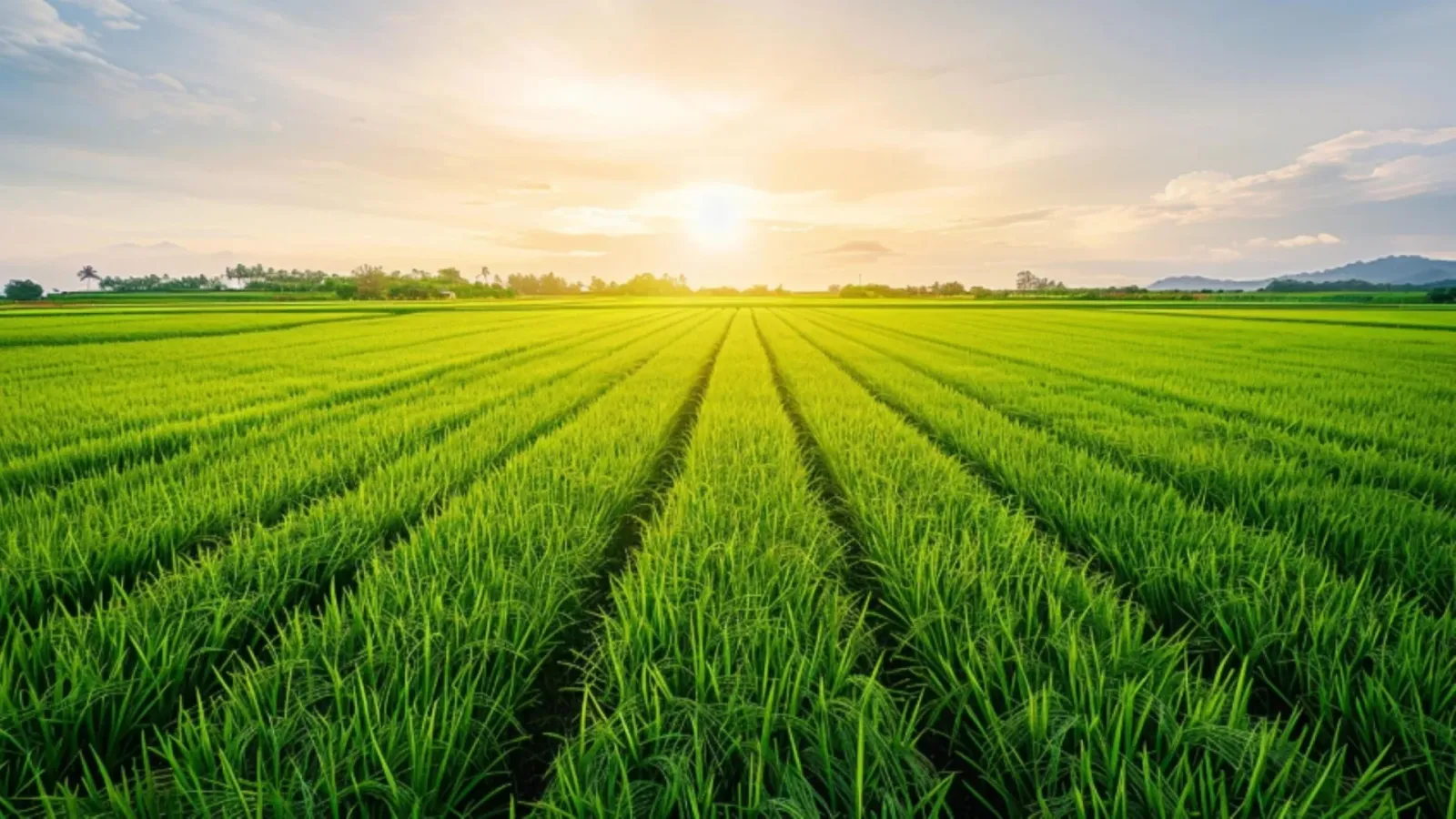
Researchers found that beneficial soil bacteria improve plant outcomes in salty soils by stimulating lignin production, a root-strengthening compound. The results from greenhouse and field tests point toward bio-based treatments that could expand where farmers can grow crops.
A surprising discovery is giving salty farmland a new kind of hope: beneficial soil bacteria can help crops survive, and they do it by pushing plants to make more lignin, not by simply blocking salt.
In the research summarized by ScienceDaily, the microbes act like a biochemical support crew. Instead of keeping salt out, they stimulate lignin production, which strengthens roots and makes plants more resilient. In both greenhouse and field tests, that translated into healthier plants and higher yields under salty conditions.
If you are a farm operator, agribusiness executive, or investor looking at climate resilience, this is an interesting pivot because it reframes the problem. Salinity is one of those issues that can turn “marginal land” into “non-starter land” without an easy knob to turn. Traditional strategies often focus on managing the soil and water system, selecting salt-tolerant varieties, or trying to reduce salt stress indirectly. The microbial approach described here suggests a more targeted lever, where the plant itself becomes the factory for protective chemistry.
The mechanism matters. Lignin is described in the source as a natural compound that strengthens roots. Root strength is not just a comfort feature for plants. Stronger roots can mean better stability, more effective water uptake, and improved ability to keep functioning when stressors like high salt levels interfere with normal physiology. In plain terms, the bacteria appear to shift the survival strategy from “fight the salt at the border” to “reinforce the plant internally so it can keep going.”
The fact that the team ran both greenhouse and field tests is also a big deal for decision-makers. Greenhouse results can be promising but sometimes fail to translate once you hit the messy reality of seasons, soil variability, and uncontrolled environmental swings. Here, the source states that tests in both settings produced healthier plants and higher yields in salty conditions. For executives, that combination is often what separates a scientific curiosity from something that can be scaled into product development.
This is where the market and regulatory framing start to matter, even though the source does not name specific agencies or regulatory pathways. When the opportunity is bio-based, the conversation typically shifts from hardware and chemicals to biological inputs. That can change how stakeholders think about approvals, labeling, and adoption. In practice, agronomic products that involve living organisms or microbe-derived processes are usually evaluated with attention to safety, environmental impact, and consistency. Even if those details are not spelled out in the ScienceDaily summary, the direction is clear: the work could lead to bio-based treatments designed for farms dealing with salinity.
Second-order implications are worth highlighting for boards and investors. Bio-based treatments can create new lines of revenue in crop inputs and potentially reduce the operational burden on farmers who cannot easily “fix” salinity through infrastructure. If beneficial bacteria can reliably stimulate lignin under salty conditions, the approach could become a repeatable tool for growers facing long-term soil constraints. That is valuable because salinity is not always a quick problem with a quick solution. A product that helps plants tolerate what is already in the soil can be more resilient as conditions change over time.
There is also an adoption dynamic embedded in the research. Because the microbes change plant chemistry, farmers would likely care about consistency and timing: when the treatment is applied, how it establishes in soil, and whether it performs across different soil types and salt levels. The source does not provide application guidance, but the mention of field tests suggests the researchers were already thinking beyond controlled settings.
For executives at agribusiness companies, the strategic stakes are straightforward: this discovery points toward a potential new class of biological intervention for salinity stress, one rooted in root reinforcement via lignin. For investors and operators, it is a reminder that the most compelling agriculture innovation might not be the one that “keeps the stressor out,” but the one that helps the crop endure the stressor better once it is already there. The question now is whether this mechanism can be translated into scalable, dependable treatments that perform in the real world, not just in trials.
This story's Key Insights and Take-aways are locked.
Create a free account to unlock Executive Actions for one credit.
Register to UnlockAlways free for Executives Club members. Join the Club
More in Science

AlphaFold stops collapsing protein ensembles into one shape, ISTA guides it with experiments
Researchers at ISTA add experimental constraints to AlphaFold, tackling its single-conformation bias and improving local structure predictions.
Species loss order changes grassland stability, study finds
What happens after the first plant species disappears could determine whether grasslands buckle or hold steady.
27,500-year-old bear attack includes mourning, suggesting Paleolithic grief looked uncomfortably familiar
A lethal bear mauling at Arene Candide came with evidence of mourning rituals, implying early humans grieved with purpose, not silence.