
Solar panels slash £400 off UK energy bills even in cloudiest areas
New analysis shows rooftop solar is a no-brainer for British homeowners as power prices climb and panel costs tumble.
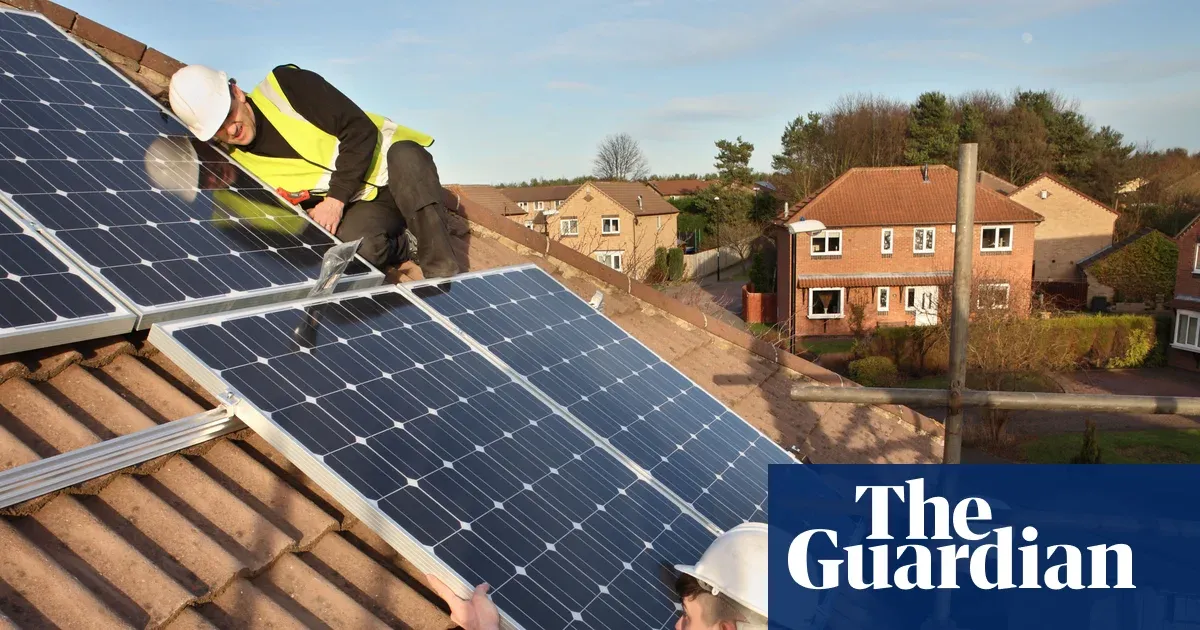
New research finds that households in the UK's cloudiest regions can still save over £400 annually on energy bills by installing rooftop solar panels. With wholesale electricity prices rising and installation costs falling, the financial case for solar has strengthened, prompting a surge in demand across Britain.
New research has found that households in the UK's cloudiest regions can still save more than £400 a year on their energy bills by installing rooftop solar panels. The analysis, which looked at typical household electricity usage and local solar irradiance, shows that even in areas with the least sunshine, the financial case for solar has become compelling. This is not a marginal benefit - it is a substantial annual saving that can make a real difference to household budgets, especially at a time when energy costs are a top concern for millions of families.
The savings have grown because wholesale electricity prices have risen sharply in recent years, while the cost of solar panel installation has continued to fall. This combination means that each kilowatt-hour generated by a home solar system displaces more expensive grid electricity than before, while the upfront investment required has dropped. As a result, the payback period for a typical installation has shortened, making solar an increasingly attractive option for homeowners across the country. The research implies that the payback period has fallen considerably, turning what was once a long-term environmental investment into a practical financial decision.
The research specifically highlights that even in the cloudiest parts of Britain, such as the Scottish Highlands and parts of northern England, solar panels can still deliver meaningful savings. While these areas receive less sunlight than the south, modern panels are more efficient at converting diffuse light, and the higher wholesale prices mean that every unit of generation is worth more. The £400 annual saving is an average across these regions, with some households potentially saving even more if they use a larger share of the electricity they generate. This challenges the long-held assumption that solar is only viable in sun-drenched locations - the reality is that Britain's climate, while not famous for sunshine, is still capable of producing significant solar energy.
This improved economics has led to a surge in demand for rooftop solar. Installers across the UK report growing backlogs, and the number of homes with solar panels has increased significantly in recent years. The trend is expected to continue as energy prices remain elevated and the cost of panels continues its downward trajectory. Government policies, such as the removal of VAT on solar installations and the introduction of the Smart Export Guarantee, have also made the investment more attractive. These policy shifts have removed barriers and provided incentives that were absent a decade ago, further accelerating adoption.
The findings come at a time when energy bills are a major concern for households. The UK has some of the highest electricity prices in Europe, and the volatility of wholesale markets has made budgeting difficult. Solar panels offer a way for households to take control of their energy costs, hedging against future price rises. Moreover, the environmental benefits are clear: each kilowatt-hour of solar generation avoids carbon emissions that would otherwise come from gas-fired power plants. This dual benefit - financial and environmental - is driving a grassroots energy transition that complements larger-scale renewable projects.
The growth of rooftop solar has implications for the wider energy system. As more homes generate their own electricity, demand from the grid during daylight hours falls, which can reduce the need for new gas peaking plants. However, it also creates challenges for grid operators, who must manage the variability of solar generation and ensure that the network can handle the two-way flow of electricity. This is likely to drive investment in smart grids and energy storage, as well as new market mechanisms that reward households for exporting surplus power. The energy system is evolving from a one-way street to a dynamic, distributed network, and rooftop solar is a key driver of that change.
For homeowners, the message is clear: solar panels are no longer a luxury for sun-drenched regions. Even in the cloudiest parts of Britain, they can deliver substantial savings on energy bills. With prices expected to remain high and installation costs to keep falling, the case for going solar is stronger than ever. The research underscores that the transition to renewable energy is not just about large-scale wind farms, but also about empowering individual households to generate their own clean power. As the technology improves and costs continue to decline, solar is becoming a mainstream choice for British households, regardless of where they live.
This story's Key Insights and Take-aways are locked.
Create a free account to unlock Executive Actions for one credit.
Register to UnlockAlways free for Executives Club members. Join the Club
More in Business

Tim Cook steps down as Apple CEO, stays on as chair with $45M equity
The 'Trump whisperer' keeps his White House and Beijing access as Apple navigates tariffs and a $4.6 trillion market cap.
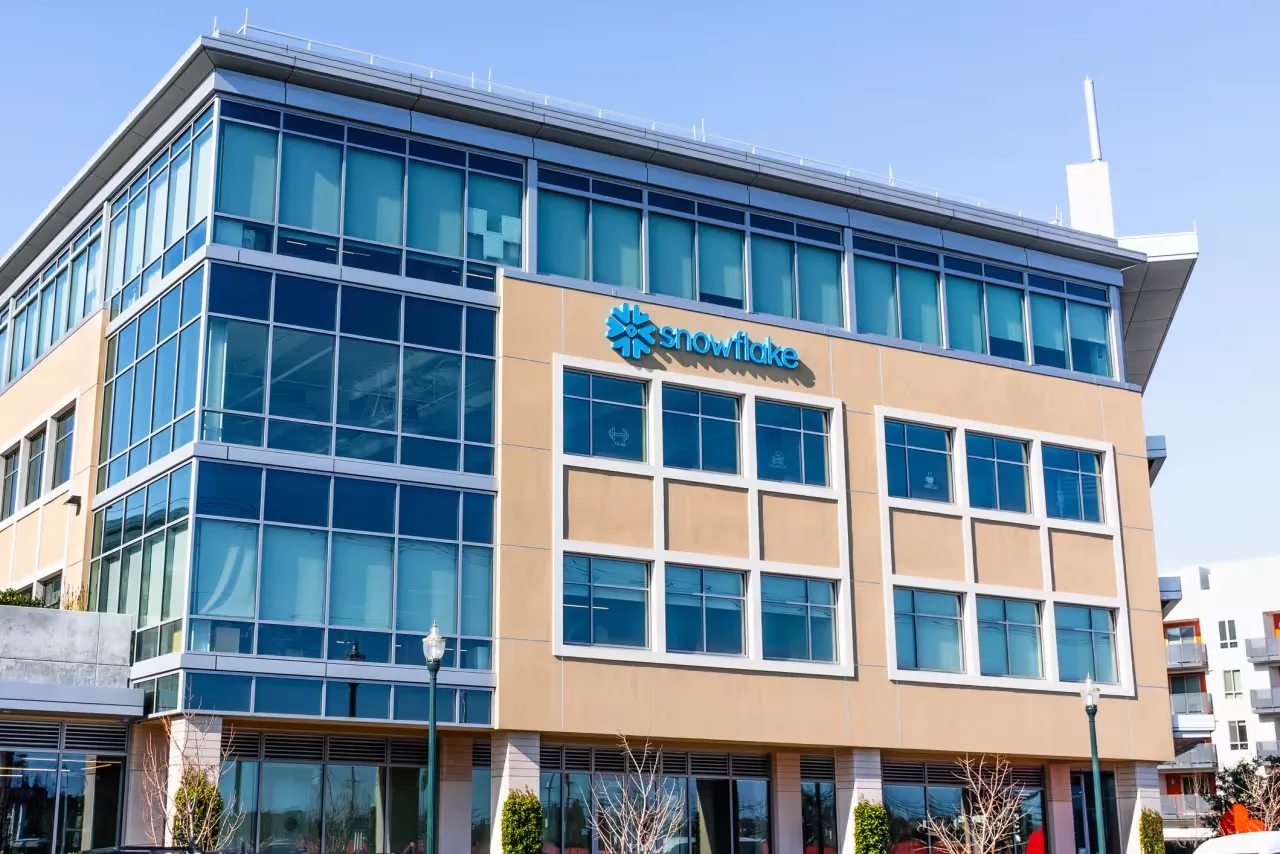
Snowflake shares surge as AI data demand crushes estimates, lifting full-year forecast
Stocks jumped on stronger-than-expected guidance, signaling enterprise AI workloads are accelerating faster than Wall Street priced in.
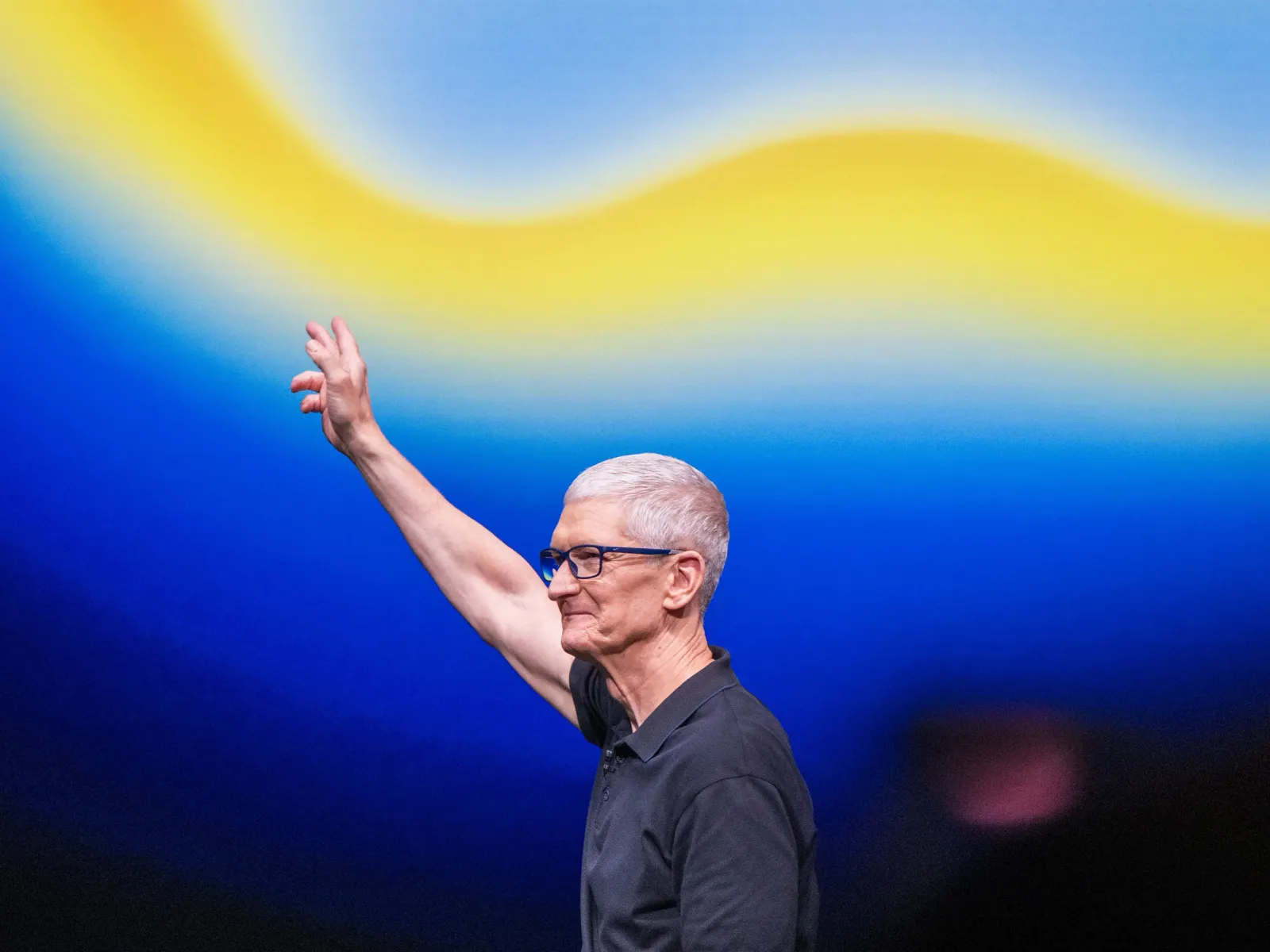
Tim Cook's 15-year Apple CEO run ends: 3 lessons for any successor
After 15 years, Tim Cook hands Apple to John Ternus - here's how he turned a $350B company into a $4.6T juggernaut.