
Solid-state batteries remain years away, while gels quietly win safety and manufacturing focus
The race is not over, but regulators and product teams are betting on gel-based electrolytes now.

The Verge’s Stepback explains why solid-state batteries still are not ready, while gel electrolytes are moving from lab talk toward practical builds. For decision-makers, the implication is clear: safety and deployment timelines may drive near-term investment more than next-gen lab breakthroughs.
Lithium-ion batteries are everywhere, and that ubiquity is starting to look like a public-safety issue, not just an engineering achievement. In The Verge’s Stepback, Thomas Ricker frames the core problem plainly: traditional liquid electrolytes have a volatile track record, and that volatility is showing up in real products, from e-bikes in stairwells to lithium-ion power banks combusting midflight. In other words, the technology that powered the last decade of electrification is also creating new failure modes that regulators and customers can see.
That is why the headline conclusion matters for anyone funding battery roadmaps. Solid-state batteries still are not ready, but gels are getting attention because they offer a more safety-aligned path forward than the liquid electrolytes already in widespread use. The Stepback situates this as an “essential story” for the tech world because batteries are the underlying infrastructure for e-bikes, power stations, and even how people work anywhere. When a battery chemistry shift changes risk, it changes product strategy, compliance posture, insurance exposure, and procurement decisions.
To understand why this chemistry contest is so sticky, you have to separate the promise of solid-state from the realities of getting to volume. Solid-state aims to replace the flammable liquid electrolyte with a different material approach. That sounds like a clean fix: less volatility, improved safety characteristics, and potentially better performance. But the Stepback’s point is that promise is not the same as readiness. The gap between “can be made” and “can be made reliably, cheaply, and at scale” is where timelines collapse. For executives, the risk is that betting schedules around solid-state can turn into the kind of delays that are not dramatic on paper but painful in product cycles.
Meanwhile, gel electrolytes act like a compromise that is easier to operationalize. Gels aim to improve safety behavior compared with conventional liquid electrolytes while still being closer to manufacturing approaches companies already understand. That matters because supply chain and production constraints are rarely optional. Even if solid-state reaches technical maturity later, gel-based approaches can serve as an interim answer that lets companies ship safer products now. And if the safety problem is already triggering visible incidents and scrutiny, “interim” becomes a board-level word, not a lab-level word.
Regulatory pressure is the other force pushing this conversation out of the realm of pure R and D. The Stepback notes that in 2025, the US Consumer Product Safety Commission (CPSC) is involved, signaling that the safety hazards around lithium-ion are no longer just a technical footnote. When regulators focus on consumer harm and product incidents, they change what counts as an acceptable risk profile. That shifts the incentives for both incumbents and new entrants: companies do not only need better batteries, they need batteries that reduce the probability and severity of failures in products that show up in public spaces.
This is where the second-order implications show up for executives and investors. If gel-based electrolytes are gaining traction while solid-state remains delayed, capital allocation may tilt toward projects that can credibly hit near-term safety requirements. That can affect everything upstream, including manufacturing tool amortization decisions, qualification testing schedules, and even how boards evaluate management’s execution against milestones. For a company building e-bikes or selling power products, a chemistry upgrade that reduces fire risk can be worth more than marginal performance gains, because the cost of recalls, downtime, and reputational damage can dwarf the incremental cost of safer materials.
There is also a competitive dynamic here. Battery roadmaps often involve long lead times and high fixed costs, so the winners tend to be the ones that can turn lab progress into production without losing time to qualification bottlenecks. If gels provide a clearer deployment path, they can become the default near-term strategy for many product lines, even if the end game eventually becomes solid-state. The Stepback’s framing suggests that the industry is already living in the consequences of lithium-ion volatility, and the market is responding with a pragmatic, safety-first posture.
For peers in similar roles, the strategic stakes are immediate. The decision is not simply “which chemistry is best in theory.” It is “which chemistry can keep products in customers’ lives without triggering regulatory escalation or public safety incidents.” Solid-state may still be the distant destination, but gels are the vehicles getting deployed now. That means boards and leadership teams should treat battery safety timelines as a core operating metric, not a futuristic research topic.
This story's Key Insights and Take-aways are locked.
Create a free account to unlock Executive Actions for one credit.
Register to UnlockAlways free for Executives Club members. Join the Club
More in Technology

Nvidia's $89B data center quarter: the 9 companies cashing in
The AI buildout is minting fortunes beyond GPUs, and memory, cloud, and cooling suppliers are riding the same wave.
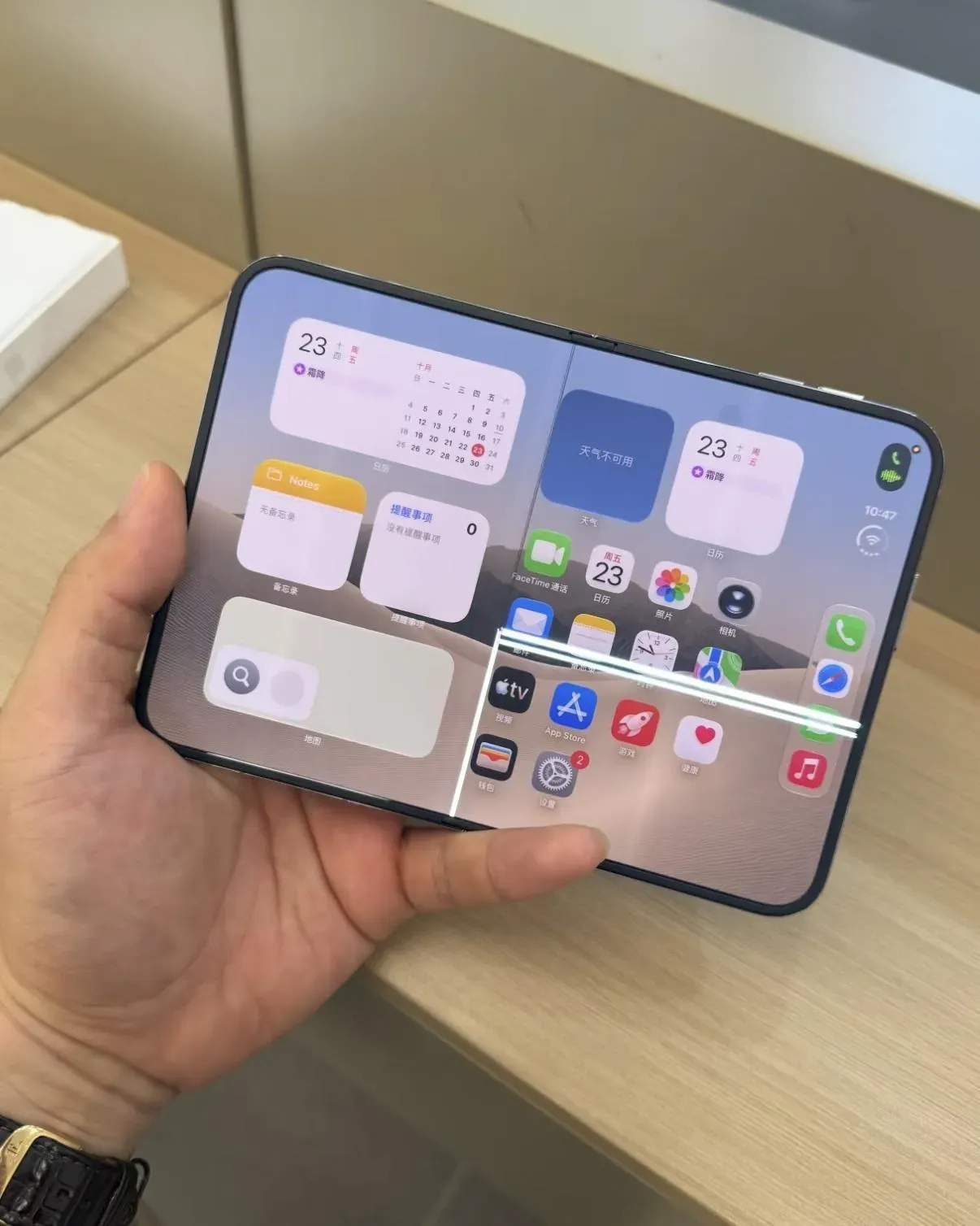
A YouTuber dissected the iPhone Duo and thinks he found crackgate's cause
CuriousHagi's teardown of Apple's foldable reveals a gear-like hinge that may explain why screens crack in the same spot within hours.

Google quietly links your phone number to every Android account on your SIM
Adding a SIM now ties your phone number to all Google accounts - and future accounts inherit it. Here's the security and privacy stakes.