

Sony ends PlayStation disc manufacturing in Jan 2028, reshaping retail pricing and survival
A new report says games are usually cheaper in shops while Sony moves next-gen releases to digital only.
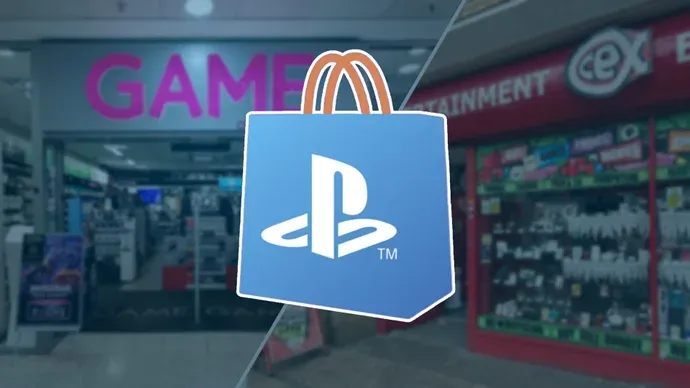
Sony Interactive Entertainment announced it will end manufacturing physical PlayStation discs starting January 2028. The shift forces retailers, publishers, and investors to rethink pricing power and what stores are even for next.
Earlier this month, Sony announced that it is ending manufacturing of physical PlayStation discs beginning January 2028. The decision is direct: future releases, from Sony Interactive Entertainment and every other publisher, will only be available in digital formats.
That matters because retail has not been a niche hobby for PlayStation. For years, “walk into a store, buy a game, maybe trade it later” has been the default rhythm for a lot of players, and it has shaped how pricing works. A new report highlighted in Eurogamer’s coverage points out something you can feel even if you never track it like a spreadsheet: games are almost always cheaper in shops. So Sony’s disc endgame collides with a real-world shopping habit, not an abstract consumer theory.
Start with what Sony is really doing. Manufacturing physical discs is only one step in the physical game value chain, but it is a keystone. Once the discs stop being made, the category loses its primary distribution unit. Even if retailers still sell boxed inventory or offer “collectors editions” for as long as they can, the future flow becomes digital. That flips who controls availability, timing, and (depending on store programs and regional rules) how promotions are layered.
Now zoom out to why “cheaper in shops” is more than a consumer quirk. Physical retail pricing pressure often comes from competition across shelf space, local promos, and the ability to discount inventory. Digital storefronts can run sales too, but the mechanics are different, and the “always cheaper in shops” dynamic often reflects the economics of inventory management and retailer margins. When Sony moves future releases to digital only, that discount channel gets weaker by default, because the shelf-level behavior retailers rely on is less about new unit cost and more about competing for demand around a product that is no longer being replenished.
Retailers do not just sell games. They build ecosystems: foot traffic, bundles, accessories, subscriptions, hardware attach, and the quiet benefit of being the place where new releases look “real.” Sony’s disc manufacturing end date, January 2028, effectively puts a timestamp on the long-term business case for physical inventory, especially for titles with uncertain sales trajectories. In other words, this is not only a format story. It is a planning story for anyone whose model depends on replenishing physical product.
There is also a regulatory and consumer protection angle that executives should care about, even if you do not love regulatory memos. When a market shifts from multiple distribution channels to primarily digital, regulators tend to scrutinize areas like consumer choice, price transparency, and the durability of access. Digital-only availability can raise questions about what consumers actually “own,” and how long access lasts if services change. While this specific Eurogamer piece focuses on Sony’s manufacturing decision and the implications for retailers, the broader policy theme is clear: format changes can become competition issues.
Publishers, meanwhile, face second-order effects that do not show up in the announcement text. If the store channel is weakened and digital becomes the default, publishers may concentrate promotions and marketing spend into fewer levers. That can affect how quickly new games drop in price, how aggressively publishers can target discounts, and how retailers negotiate space for promotions tied to digital storefronts. The “every other publisher on the planet” part in the coverage is the key: this is not just Sony steering its own brand. It is changing the platform expectations for the entire catalog ecosystem.
For decision-makers, the strategic stakes are blunt. If you are a retailer, you have a deadline on relevance. If you are a publisher, you have to decide how to defend value when the discount baseline could drift upward without the same physical competition dynamics. If you are an investor or board member, you should map where the margins move when physical replenishment ends, because that is where winners emerge and where “we’ll figure it out later” plans get expensive.
Sony ending PlayStation disc manufacturing beginning January 2028 is the hinge. Once it swings, the conversation shifts from “should games be available in stores?” to “what happens to retailer pricing power, inventory economics, and survivability when digital is the only future format?”
This story's Key Insights and Take-aways are locked.
Create a free account to unlock Executive Actions for one credit.
Register to UnlockAlways free for Executives Club members. Join the Club
More in Entertainment

12TB Steam 'teraleak' goes beyond Valve: GTA 3, Mafia 2 prototypes exposed
A 12-terabyte dump of Steam data reveals prototypes and builds of third-party classics like GTA 3 and Mafia 2, plus unreleased Valve content, rewriting game history.

LinkedIn's romance problem: 1 in 4 workers say dating on it is fair game
A new survey shows a quarter of U.S. employees treat the professional network as fair game for romance, even as LinkedIn bans it and removes hundreds of thousands of offending posts.

Enhypen's first No. 1 album breaks K-pop's Billboard 200 streak
The K-pop group's 98,000-unit debut tops the chart while Dolly Parton's catalog reentry shows how death reshapes streaming.