

Sony kills PlayStation game discs starting January 2028, betting on “consumer preferences”
What Sony just changed in the physical game pipeline, why “consumer preferences” is the tell, and what it means next.
Sony announced it will stop producing discs for PlayStation games starting in January 2028, moving further toward an all-digital future. For decision-makers, this is a direct hit to the economics, logistics, and leverage that physical media still carries in console strategy.
Sony stunned the games industry with a move that is both simple and loaded: it will no longer produce discs for PlayStation games starting in January 2028. Sony framed the shift as driven by “consumer preferences,” and it has immediately triggered the kind of community outcry that usually only follows decisions with real downstream costs.
If you are an operator, investor, or board member, the headline stake is not whether digital is growing. It is that Sony is choosing a timeline and pulling a lever that affects distribution, consumer choice, and how publishers and retailers negotiate leverage for the next console cycle. This is the moment where an “all-digital future” stops being marketing language and becomes a supply chain reality. In other words, starting in 2028, you are not just selling differently. You are manufacturing differently, planning differently, and renegotiating different assumptions across the value chain.
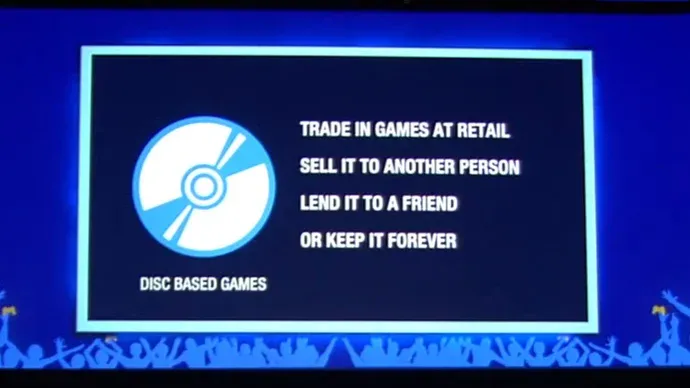
The immediate market reaction in the source is community-driven: players are flocking to Sony's old PS4 anti-DRM video, essentially using nostalgia plus practical memory to push back. That matters strategically because it suggests a specific consumer sentiment is being activated. People are not only angry in general terms. They are pointing at past DRM controversies and saying, in effect, “We have seen this movie.” Even if Sony’s rationale is “consumer preferences,” the backlash indicates that preferences are not one-dimensional. Convenience, ownership, resale, and access during outages and account changes are all part of what consumers mean when they talk about “preference.”
Zoom out to how this decision likely reverberates. Physical media used to be a friction buffer and a leverage layer. Discs create tangible inventory, which can be shipped, stocked, discounted, and returned. They also provide a familiar unit of bargaining for retail partners and second-hand ecosystems, and they let publishers monetize different demand curves through boxed versions, bundles, and shelf pricing. Moving away from discs collapses that whole stack into digital storefront management. That does not eliminate costs, but it changes who bears them and who controls the interface between buyer and product.
Sony also did something that decision-makers should recognize instantly: it made a big operational bet while keeping the explanation broad. “Consumer preferences” is a classic umbrella phrase. It can mean adoption of digital purchases, faster patch cycles that make discs less central, or a desire to reduce manufacturing and distribution complexity. But broad rationales are also fragile. If consumers are “preferring” digital, why is the loudest response pointing to DRM? Why is there talk of what this means for the PlayStation 6? The tension here is that the industry is moving toward digital at the same time that consumers are testing whether digital truly meets their definition of control.
The source also notes rumors that Xbox will be following suit. Even without confirming any details, that rumor matters because it frames the strategic environment as competitive and potentially contagious. When one platform leader removes a pillar like physical production, others face a board-level question: do we match to avoid being disadvantaged, or do we differentiate to win customers who value physical? Either way, the decision creates a new baseline expectation across console partnerships, publishers, and retailers. If Xbox follows, the shift becomes less negotiable and more structural.
There is also a second-order regulatory and policy layer lurking beneath the consumer debate. Across digital goods markets, regulators often focus on consumer rights, transparency, and access, especially around DRM, account dependencies, and what happens when licenses change. The source references Sony's anti-DRM history indirectly through player behavior around an old PS4 anti-DRM video. That linkage is important for boards because regulatory scrutiny rarely arrives from nowhere. It typically escalates when companies make big changes to ownership or access that affect millions of users, and then the narrative shifts from “preference” to “protection.”
Strategically, this is a reckoning for anyone building within the console ecosystem, not just Sony. Developers and publishers must plan around format availability, marketing cycles, and how pricing and promotions work when physical inventory is off the table. Retailers have to redesign their value proposition or risk becoming less relevant. Investors and operators should watch for what happens to pricing power, regional rollout friction, and the bargaining dynamics between platform holders, storefronts, and publishers once discs are gone from the production roadmap.
Sony has set January 2028 as the break point for disc production. The industry now has to live with a new reality: the transition is no longer theoretical. The only question is whether “consumer preferences” will hold up once the operational shift meets the consumer’s preference for control, access, and choice.
This story's Key Insights and Take-aways are locked.
Create a free account to unlock Executive Actions for one credit.
Register to UnlockAlways free for Executives Club members. Join the Club
More in Entertainment

Russell Brand's accuser 'bewildered and confused' as he denies 7 sex charges
The criminal case against the comedian is a live test of how media companies manage talent risk when serious allegations go public.

'It's a Magic Trick': Ballet Experts Say Rosalía's SNL Pose Is Impossible
Three ballet experts tell Rolling Stone Rosalía's gravity-defying SNL stillness shouldn't be possible - and why the debate is now part of the show.

Activision CMO: GTA 6 Will Boost Call of Duty, Not Bury It
Activision's top marketer says Rockstar's blockbuster will drive players back to consoles and into Modern Warfare 4, even as the company admits its recent strategy failed.