
Sony quietly removes PC from first-party focus in SEC filing
Single-player PlayStation games are now expected to stay console-exclusive, while live-service titles keep PC launches.
Sony’s latest SEC filing, analyzed by Game File and covered by IGN, drops PC from the company’s first-party launch focus. For decision-makers, it signals a sharper console-first strategy that redefines how future first-party releases are budgeted, priced, and marketed.
Sony has quietly but clearly shifted the way it talks about first-party releases in its latest SEC filing. In the 2026 report, Sony ditches any mention of PC as part of the company’s first-party launch focus, replacing a prior statement in the 2025 SEC report about efforts to deploy first-party titles to multiple platforms such as PC.
This matters because the change lines up with earlier reporting that PlayStation is backing away from PC ports for its single-player narrative games. Just yesterday, Bloomberg reporter Jason Schreier relayed comments from an internal meeting chaired by Herman Hulst, in which the PlayStation CEO stated that single-player narrative games would only launch on PlayStation consoles in future. Put those together and the direction becomes hard to miss: if you are a studio or publisher planning for PC audiences, Sony is no longer promising them as part of the default first-party rollout.
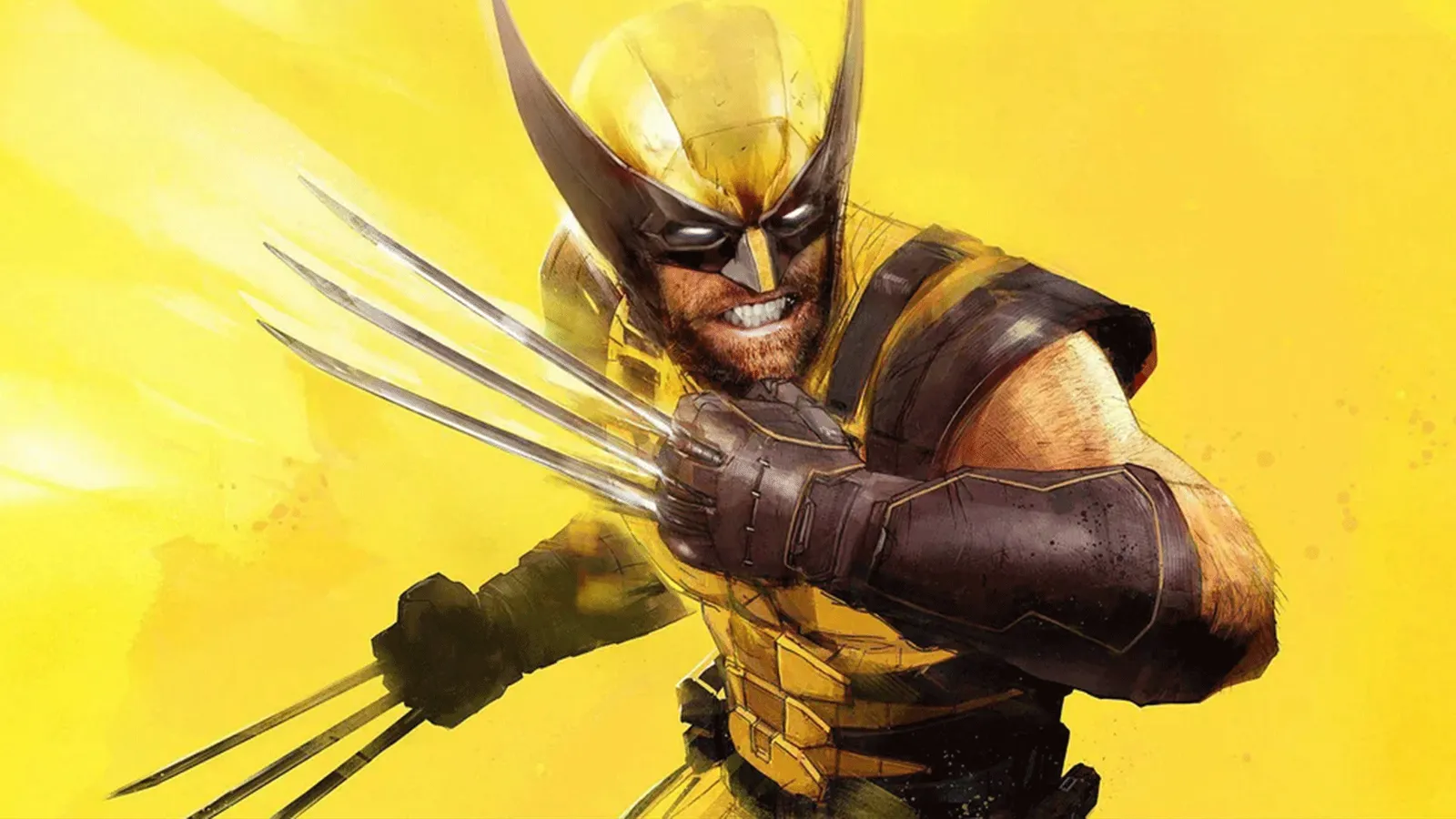
IGN’s recap is blunt about the likely fallout. It points to Insomniac Games’ upcoming Marvel’s Wolverine, Santa Monica Studio's God of War Laufey, and Naughty Dog’s Intergalactic: The Heretic Prophet, all of which would, under the new expectation, not receive PC ports. These are the kinds of releases that typically function like flagship branding moments for a platform, where the marketing, production timelines, and “system seller” positioning all assume a console launch window first.
At the same time, Sony is not going fully PC-proof. The filing shift is tied to single-player narrative games, while online live-service games are still expected to get PC launches. The source uses Guerrilla Games’ stylised spinoff Horizon Hunters Gathering as an example of where PC remains in the plan. That distinction is strategically important because it suggests Sony is segmenting its portfolio by distribution model, not just by studio. Live-service titles are monetization engines with ongoing content and cross-platform player bases, so PC access can be framed as a retention and revenue multiplier, rather than a threat to console momentum.
The document trail is also part of what makes this credible. Sony’s 2025 version of the SEC report previously mentioned “plans to continue its efforts to deploy its first-party titles to multiple platforms such as PC.” In the 2026 report, that line is completely cut. That is not just messaging, either. SEC filings are the kind of controlled corporate language companies use to describe strategy and risk in a way that investors, analysts, and regulators can parse. When that language changes, it often reflects a real internal decision about what will be resourced and what will be deprioritized.
For context, Sony has experimented with other platform publishing in the past. The source notes that Sony had even dabbled with Switch publishing, including LEGO Horizon Adventures. That historical detail matters because it shows the company has not always treated exclusivity as a one-size-fits-all doctrine. The current pivot therefore reads less like Sony suddenly “became exclusive forever” and more like it is drawing a tighter line around which games it wants to anchor to PlayStation hardware.
Sony also added a separate section to the same SEC filing about its use of AI. The source says it is aimed to “unleash the creativity of studios and further enhance the PlayStation experience.” Sony’s listed goals include improving productivity, routing transactions more efficiently, shaping personalized customer recommendations, and enhancing in-game visuals. Even if the AI section is not directly connected to the PC strategy, it signals the broader corporate focus: build internal efficiency, optimize how customers discover and buy, and upgrade the content pipeline.
This exclusivity shift is landing as a competitive mirror to what the source describes as a similar sea change at Xbox, where the company will begin holding back a handful of games for Xbox owners. The source further notes that it remains to be seen how many titles will be made exclusive in the future, with only Gears of War: E-Day this year and Clockwork Revolution in 2027 currently carrying the exclusive label. Those games will also arrive on PC, which creates an important contrast: Xbox’s approach, at least as described here, does not necessarily mirror Sony’s console-only framing for single-player narrative games.
For executives, the second-order impact is that platform strategy is tightening at the portfolio level. Studios planning first-party releases may need to rethink performance expectations on PC, and finance teams may have to model two different go-to-market realities: console-only for single-player narrative and multi-platform for live-service. The strategic stake is simple: if you are banking on PC as an expansion funnel for flagship storytelling games, Sony’s SEC language and the internal meeting reporting together suggest that funnel is closing for that category. And if the console wars are now being fought with distribution policy, not just hardware specs, those policy decisions can reshape budgets, partnerships, and launch marketing for years.
This story's Key Insights and Take-aways are locked.
Create a free account to unlock Executive Actions for one credit.
Register to UnlockAlways free for Executives Club members. Join the Club
More in Entertainment

Russell Brand's accuser 'bewildered and confused' as he denies 7 sex charges
The criminal case against the comedian is a live test of how media companies manage talent risk when serious allegations go public.

'It's a Magic Trick': Ballet Experts Say Rosalía's SNL Pose Is Impossible
Three ballet experts tell Rolling Stone Rosalía's gravity-defying SNL stillness shouldn't be possible - and why the debate is now part of the show.

Activision CMO: GTA 6 Will Boost Call of Duty, Not Bury It
Activision's top marketer says Rockstar's blockbuster will drive players back to consoles and into Modern Warfare 4, even as the company admits its recent strategy failed.