

Sony’s PS5 bet on big exclusives falters, and its game reveals must land fast
After years of uncertainty, PlayStation used Tuesday’s showcase to chart a course back toward momentum and market leadership.
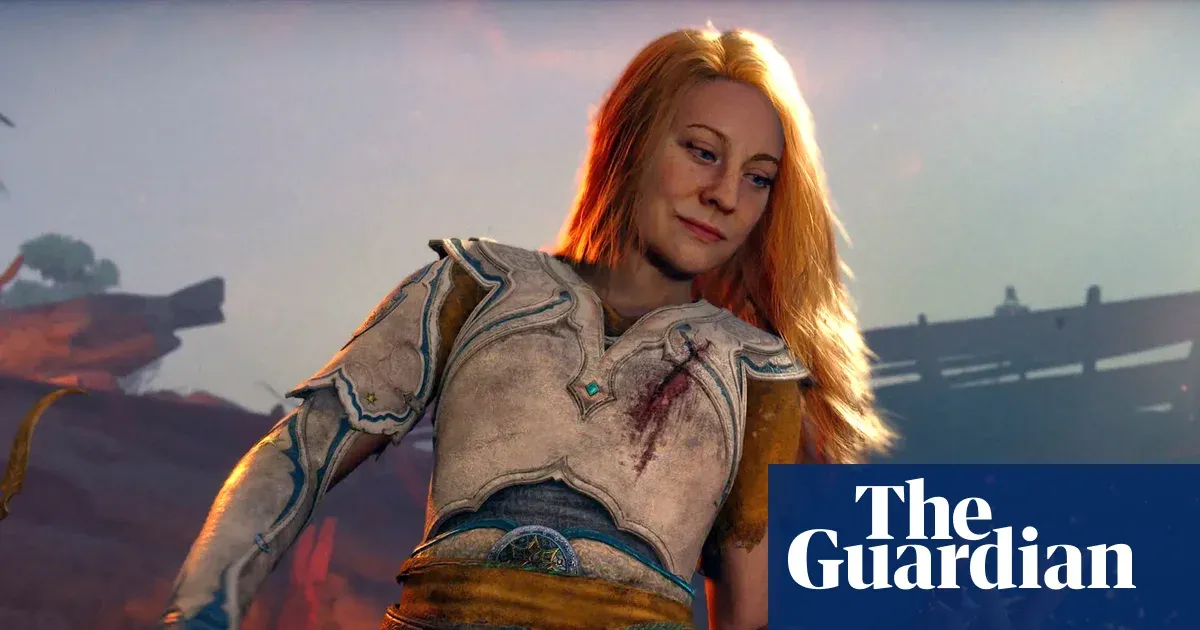
Sony’s PlayStation laid out a slate of new games Tuesday, aiming to shift perceptions during an era the brand has struggled to dominate. For decision-makers, the stakes are simple: fewer blockbuster first-party hits mean less leverage with both players and partners.
PlayStation used Tuesday’s event to do something it has not always managed in the PS5 era: convince the market it can still drive culture, attention, and revenue with first-party releases. The company revealed a slate of games it hopes will change the “uncertain” feeling around the platform’s future. And that matters because the PS5 has been successful on paper, selling well and staying very profitable, yet the brand is far from the runaway market leader it was in the PS2 days.
The uncomfortable part is that Sony’s own numbers have been moving the wrong way on flagship volume. Earlier this week, Game File dug into Sony’s most recent earnings reports to illustrate how PlayStation has been selling fewer and fewer of its own flagship games since a pandemic peak. About 54.1m copies of games either developed or published by Sony were sold in the 2018 financial year; in 2025, it sold 32.1m. This is the context behind the showcase: when top-line momentum from first-party sales weakens, every new reveal becomes a test of whether the next cycle will repair confidence.
It is also why the menu of games at the event reads like a bid for breadth. The source notes that Sony has had some great homegrown games since the PS5 released in 2020, naming Astro Bot and Ghost of Yōtei. But “some great” is not the same as a consistent, reliable pipeline that restores dominance the way PS2-era leadership did. The PS5 era has included expensive, very public failures and cancellations too, which is exactly what happens when companies place too many strategic bets at once or misjudge player demand.
One of the biggest strategic swings came from the PlayStation boss Jim Ryan, who retired in 2024. The source says Ryan placed big bets on live-service games and only a few panned out, with Helldivers singled out as a success. That detail is important beyond the headlines, because live-service is not just a business model. It is a commitment to ongoing updates, long runway expectations, and retention economics, all while requiring teams to maintain operational stability for years. When only a few land, you can end up with a portfolio that looks busy but does not consistently generate the recurring revenue and player stickiness the strategy aimed for.
There is another pressure point hiding in the reveal cycle: timing and platform positioning. The source says Sony seems to have rolled back on releasing its single-player PS5 games on PC after a polite interval of time. In plain English, that means Sony is trying to preserve any advantage and exclusivity it still gets from keeping certain titles closer to the PlayStation ecosystem for longer. This connects directly to the motivation behind “changing that” as described in the source. If Sony cannot dominate with volume, it will try to protect the remaining leverage exclusivity still provides.
From an operator or investor standpoint, this is what a portfolio transition looks like when the KPIs are under strain. You keep showing new games, but you also adjust the rules around where and when those games appear, because exclusivity affects platform relevance. You also want to show both signals: creative confidence through standout homegrown titles and business discipline through fewer misfires. The event’s promise is not just “we have games,” it is “we have games that restore the story of PlayStation as a must-own platform.”
Second-order implications matter here. When a platform leader sells fewer first-party flagged titles over time, the ripple hits partners, publishers, and the ecosystem around it. Creators and studios take cues from what gets funded. Third-party developers and licensors think about where marketing dollars flow. Even regulators watching competition and market power can indirectly focus on exclusivity practices, though this source does not cite specific regulators or actions. Still, the strategic behavior described, especially around PC timing, is the type of lever that can draw scrutiny whenever it is used to reinforce platform lock-in.
For peers in similar roles, the PlayStation case is a reminder that a profitable console lifecycle is not the same as dominance. The PS5 can be commercially healthy while brand momentum drifts. Then the board and leadership team face a brutal math problem: either rebuild first-party sales at scale, or protect margins and engagement with exclusivity and selective release strategy until the next hit wave arrives. Tuesday’s reveal is essentially Sony trying to close that gap before uncertainty becomes the new normal.
This story's Key Insights and Take-aways are locked.
Create a free account to unlock Executive Actions for one credit.
Register to UnlockAlways free for Executives Club members. Join the Club
More in Business

Anthropic’s Levant Alpöge cracks the Jacobian conjecture after 87 years
A Harvard valedictorian used Claude to hit a 1939 breakthrough, but the missing “why” is the real problem.

Uber buys Delivery Hero for nearly $15B, vaulting to top food delivery outside China
The deal doubles Uber's dual-services footprint and pushes a ride-and-eats bundling play into 50 more markets.

Epic and Google drop settlement bid, forcing rival Android app stores by July 22
Google told the court it is ready to carry third-party app stores starting Wednesday, July 22.