
Sony sells monitors and speakers to shake off “PlayStation equals the living room”
In a new Q&A, Hideaki Nishino and Sony leadership pitch peripherals and “usage styles” as a PC-adjacent expansion.
Sony president and CEO Hideaki Nishino, studio business CEO Hermen Hulst, and SVP of finance and corporate development Lynn Azar laid out plans in a translated Q&A to reach beyond the console living room. The consequence for decision-makers: Sony is framing PC expansion as something to manage carefully, with hardware and ecosystem control still central.
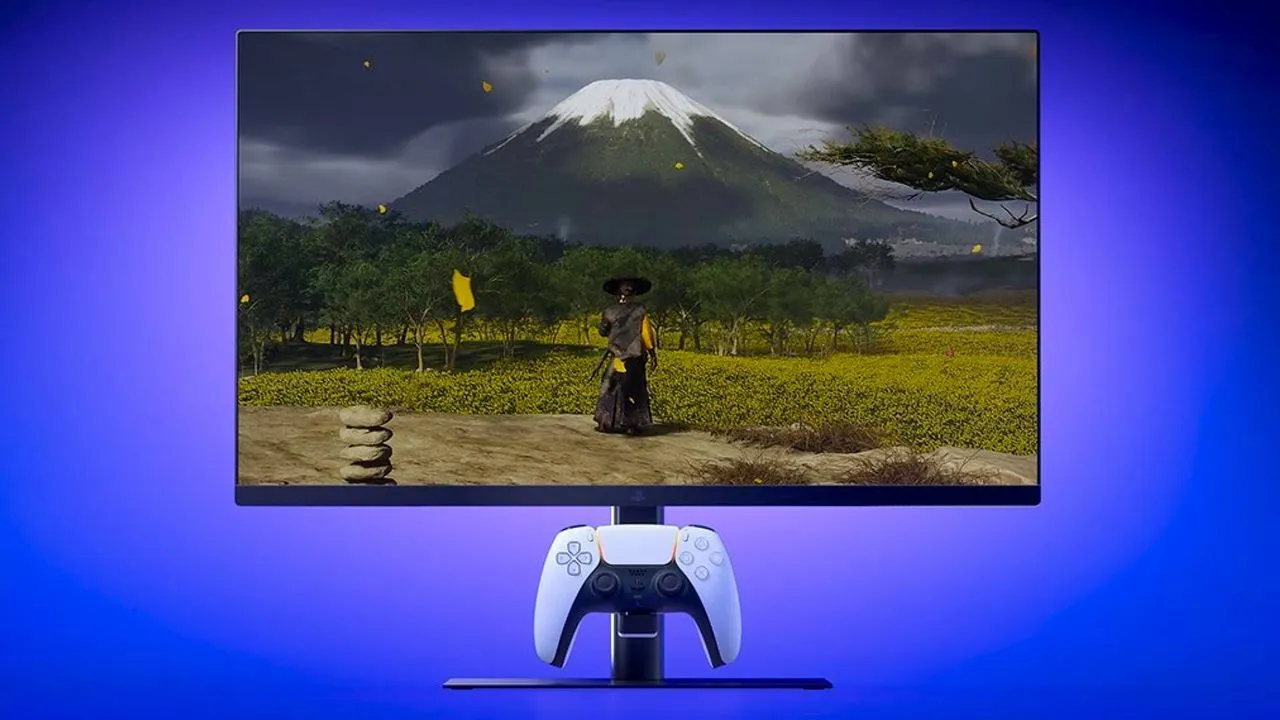
Sony is trying to escape one of gaming’s laziest stereotypes, the idea that “PlayStation equals the living room.” In a translated Q&A shared this week, Sony leaders including president and CEO Hideaki Nishino, studio business CEO Hermen Hulst, and senior vice president of finance and corporate development Lynn Azar pointed to a surprisingly specific tactic. Rather than immediately opening the door for PlayStation games to run on PCs, Sony says it is selling peripherals such as monitors and speakers to “break away from the fixed perception that ‘PlayStation equals the living room’ and to broaden usage scenarios.”
That answer came directly after a question about how PlayStation can attract gamers “who migrated to gaming PCs during the COVID period.” Sony’s response leans on an adjacent behavior, not an adjacent platform: it highlights that “in recent years, more users globally have been using personal monitors.” In other words, Sony appears to be acknowledging the PC audience exists, while trying to meet them where they already are, without turning the console library into a PC product.
This is a classic incentive story in disguise. Sony’s leadership also spends time discussing the logic of its PC posture, arguing that creators may push content onto other platforms like PC to “maximize reach,” while Sony’s “responsibility is to take a broader view and optimize total value for SIE, avoiding sub-optimization.” The phrase matters because it signals what Sony believes is the internal tradeoff: platform expansion can grow audience reach, but it can also shift economics across devices. Sony says it does “constructive dialogue” so decisions are based on “clear logic and rationale.” Even if you have no interest in corporate speak, the underlying point is clear: Sony does not want a PC strategy that accidentally cannibalizes what funds the rest of the ecosystem.
And Sony’s ecosystem framing is unusually blunt about why it thinks the console model still wins. The company stresses that “the value of our proprietary device lies in the experience, not the hardware itself,” and it describes PlayStation hardware as offering “seamless, immediate access to content.” By contrast, it claims “general-purpose devices” put “multiple layers before gameplay.” That distinction is not just marketing. It is an argument about friction, monetization pathways, and control of the player journey from start to finish.
At the same time, Sony does admit the uncomfortable math of most platform ecosystems: “most of the value of our ecosystem is driven by third-party publishers.” It also says this supports “a shift toward a true digital platform business,” and notes that “opportunities exist beyond console (e.g., mobile and PC)” but that Sony “aim[s] to proceed carefully.” The balancing act is basically this: Sony wants the upside of a broader content footprint, but it wants to keep the platform thesis intact, including the idea that PlayStation is a managed experience rather than a loose distribution channel.
If that sounds like careful, it is because the backdrop includes reported pullbacks from PC releases for some PlayStation games. One reference point in the broader conversation is former PlayStation head Shawn Layden, who has previously wondered what logic Sony is following on PC, arguing that PC ports “weren’t cannibalizing console sales.” In this Q&A, Sony stays reserved, but the structure of its answers suggests internal concerns are not about whether PC gaming exists. It is about whether, and how, the economics of content and hardware investment interact when players can access the same franchises outside Sony-owned devices.
There’s also a clue in the exception Sony mentions, live service titles. The Q&A notes that “in some areas, such as live service games, broader platform expansion can make sense.” That fits a common industry pattern: live service games can be engineered as multi-platform products because their revenue tends to be driven by ongoing engagement, not a one-and-done boxed purchase. The big single-player releases, however, remain positioned as console-centric, even as Sony tries to adjust the perception battle around where those games belong.
And perception is becoming existential in a different way for PlayStation. Alongside the PC discussion, the source flags another major shift: the impending end of physical games on the platform. Come January 2028, PlayStation games will be digital-only. In parallel, Sony says the PS3 and Vita digital stores will also shut down, “as soon as next month in some regions.” Those moves matter because they compress the room for error in how Sony grows and retains its digital customers. A PC-adjacent peripherals pitch might look small, but it is part of a larger attempt to keep PlayStation feeling unavoidable while distribution becomes more controlled and less flexible.
Finally, the Q&A points to the next hardware cycle without naming it directly in this excerpt. It says Sony is “leveraging technologies that can be used in various forms and locations,” with a PS6 handheld seemingly on the table. That kind of statement signals where strategy is heading: less “living room only,” more “managed experience across devices,” while still preserving the core bet that Sony hardware is the gateway to content.
For executives, founders, investors, and board members watching adjacent platform moves, the takeaway is straightforward: Sony is not simply “going to PC” or “not going to PC.” It is trying to shape how expansion happens. It wants to broaden usage scenarios through monitors and speakers, keep the ecosystem thesis intact, and proceed carefully as it transitions to an all-digital future. The question for competitors and partners is whether players will accept a peripherals-first compromise, or whether the market will keep pushing for full access to PlayStation content on the devices where gaming already happens.
This story's Key Insights and Take-aways are locked.
Create a free account to unlock Executive Actions for one credit.
Register to UnlockAlways free for Executives Club members. Join the Club
More in Entertainment

Russell Brand's accuser 'bewildered and confused' as he denies 7 sex charges
The criminal case against the comedian is a live test of how media companies manage talent risk when serious allegations go public.

'It's a Magic Trick': Ballet Experts Say Rosalía's SNL Pose Is Impossible
Three ballet experts tell Rolling Stone Rosalía's gravity-defying SNL stillness shouldn't be possible - and why the debate is now part of the show.

Activision CMO: GTA 6 Will Boost Call of Duty, Not Bury It
Activision's top marketer says Rockstar's blockbuster will drive players back to consoles and into Modern Warfare 4, even as the company admits its recent strategy failed.