
Sony tells UK PlayStation users: 551 StudioCanal titles vanish from your library Sept. 1
This isn’t new tech. It’s the fine print changing, and it can revoke access to movies you already bought.
Sony has informed UK PlayStation customers they will lose the ability to stream previously purchased StudioCanal titles from the PlayStation Store. As of September 1, the company will remove 551 titles, citing “content licensing agreements,” with prior examples including a 2023 Discovery pull that Sony later reversed.
Sony is about to do something that feels almost medieval in a world obsessed with “forever downloads”: remove movies and shows people already bought from their PlayStation libraries. In the UK, Sony told PlayStation customers they will no longer be able to watch previously purchased movies and shows from StudioCanal. As of September 1, affected customers will lose the ability to stream 551 titles from the PlayStation Store.
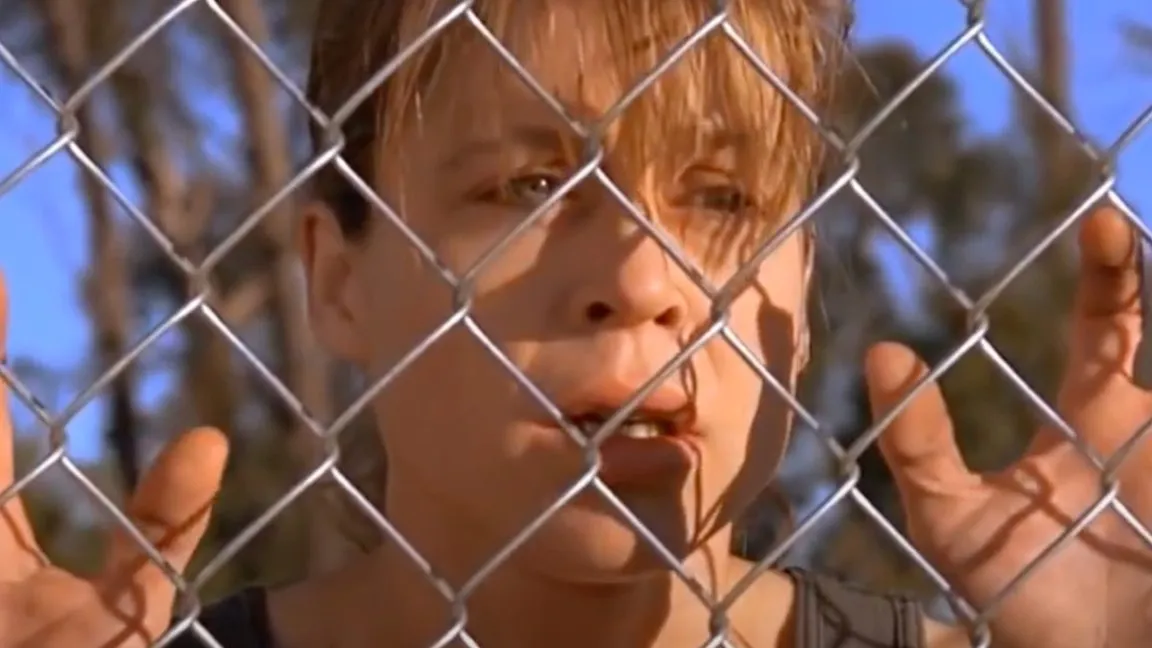
The notice also spells out what will be taken away, including specific titles such as Outrage: Way of the Yakuza, Paddington, Paddington 2, Pan’s Labyrinth, Rambo 3, Terminator 2: Judgment Day, and The Boy in the Striped Pajamas. Sony frames the wipeout as a licensing issue, saying affected customers will lose access “due to our content licensing agreements.” And, per the notice, Sony will remove any affected titles that UK users bought from their PlayStation library, starting in September.
If you are an executive watching this, the most important detail is not the catalog size. It is the mechanism: a store sells access to content under conditions that can change, and the platform has the legal right to retract that access. For consumers, this is the gut punch of “I bought it,” paired with “you can’t watch it.” For decision-makers, it is the operational reminder that your product promise is only as durable as the contracts underneath it.
This is part of a bigger Sony pattern. The source notes that Sony has been scaling down its digital store for a few years. The September StudioCanal change is another visible instance of a broader reality in digital media distribution: licensing is time-bound, territory-bound, and often subject to renewal timing and cost negotiations. When those deals do not renew on the same terms, content removal becomes the default outcome, even if the user already paid.
There is also a second-order twist that matters to boards and investors: sometimes the removals do not stick. The article points to 2023, when Sony said it would have to pull 1,318 seasons of Discovery shows from customers’ libraries. A few weeks after that announcement, Sony reversed course, saying it would not pull the content because it had updated its licensing arrangements with Discovery. That tells you two things about how these situations play out.
First, the initial announcement can be a shot of legal and commercial reality, not a final verdict on every title. Sony may need to communicate what could happen based on current agreements while negotiations are ongoing. Second, even when users are told “this is happening,” there may still be room for a deal that preserves streaming rights. In the current StudioCanal case, the source explicitly notes that it is possible Sony may still make a deal with StudioCanal by September 1, or even after, that would allow users to keep watching the content they bought. In other words: the current plan is removal, but the industry’s contract-driven nature leaves open the possibility of renegotiation.
Now, zoom out to regulatory and legal context, without getting lost in legalese. In many digital marketplaces, “purchase” is not always identical to “ownership of a perpetual asset.” Platforms often license content rather than acquire it outright, and that difference is what makes library takebacks possible. The notice being “first spotted” by PlayStation LifeStyle underscores how fast these changes hit users once they are public, and how quickly they can become reputational issues, not just legal ones.
For executives, the stakes are practical. If you are selling subscriptions, storefront access, or transactional media in any territory, your customer trust is tied to expectations you may not fully control. Repeated removals can create a quiet churn risk: customers may feel less inclined to buy or subscribe if they believe their access can disappear due to “content licensing agreements.” Meanwhile, partner strategy is also on trial. Content licensors like StudioCanal are bargaining over rights, and platforms like Sony need to balance cost, renewals, and user-facing retention.
The strategic lesson for peers is blunt: the product is not just the app. It is the contract stack. Sony’s move around 551 StudioCanal titles starting September 1 is a reminder that digital convenience can be revoked when rights lapse. And with Sony having previously signaled and then avoided a 2023 pull of 1,318 Discovery seasons after updated licensing arrangements, the outcome is not purely deterministic. But until deals are finalized, the risk to the customer experience, brand credibility, and renewal economics is real. That is the reckoning happening in real time, one library entry at a time.
This story's Key Insights and Take-aways are locked.
Create a free account to unlock Executive Actions for one credit.
Register to UnlockAlways free for Executives Club members. Join the Club
More in Business

Anthropic’s Levant Alpöge cracks the Jacobian conjecture after 87 years
A Harvard valedictorian used Claude to hit a 1939 breakthrough, but the missing “why” is the real problem.

Uber buys Delivery Hero for nearly $15B, vaulting to top food delivery outside China
The deal doubles Uber's dual-services footprint and pushes a ride-and-eats bundling play into 50 more markets.

Epic and Google drop settlement bid, forcing rival Android app stores by July 22
Google told the court it is ready to carry third-party app stores starting Wednesday, July 22.