

SpaceX buys Cursor for all-stock $60B, signaling Elon Musk’s next AI move
SpaceX exercised its option for Cursor in an all-stock deal worth $60 billion, reshaping AI dealmaking expectations.

SpaceX exercised its option to acquire Cursor in an all-stock deal valued at $60 billion, according to the report. The acquisition supports Elon Musk’s broader ambitions in artificial intelligence and sends a clear signal to AI investors and strategists.
SpaceX is moving fast, and it is not doing it with a press release and a prayer. The company exercised its option to acquire Cursor in an all-stock deal valued at $60 billion, a size and structure that underline how serious SpaceX is about artificial intelligence. For decision-makers, the point is simple: this is the kind of capital and corporate maneuver that can reshape who gets access to top AI talent, models, and developer workflows.
In this case, the mechanism matters as much as the outcome. By buying Cursor in an all-stock deal, SpaceX is effectively tying Cursor’s value to SpaceX’s public-market trajectory, rather than locking in cash-based economics. That is a subtle but real governance and strategy choice. It means the acquisition’s “wins” are connected to how markets price SpaceX, not just to how Cursor performs in a standalone operating plan. And because SpaceX exercised an option rather than starting from scratch, it also suggests the company had been in a positioned, prepared state long enough to make the move when timing or negotiation conditions lined up.
To understand why that is a big deal, zoom out to what AI startups are experiencing right now. AI is shifting from a novelty to infrastructure. That shift pulls in acquirers who want more than patents or a small team. They want product distribution, integration into developer tools, and momentum in the workflows where AI becomes daily utility. Cursor sits in that category of developer-facing AI. When a buyer with the scale and appetite of SpaceX targets that kind of asset, it signals that the “tooling layer” of AI is becoming as valuable as model capability.
There is also a corporate incentive angle that boards and execs watch closely. Acquisitions at this scale do not happen in a vacuum. They require internal alignment on risk, valuation, and strategic fit. The all-stock format can make that alignment easier in one specific way: it can reduce immediate cash drag. But it also shifts risk into market timing. If SpaceX’s stock moves differently than expected, the deal economics can feel different to shareholders than a cash deal with a fixed price.
Regulatory and structural background matters too, especially for deals that are both large and in AI. While the source does not detail any specific regulator actions or approvals, the reality is that AI acquisitions increasingly face heightened scrutiny because they can concentrate capabilities and influence. Even when the deal is structured as all-stock, antitrust, consumer impact, and market power questions are the usual categories regulators look at. For executives evaluating adjacent transactions, the lesson is that the “hard part” is not just signing. It is also anticipating the scrutiny path that comes with market-moving acquisitions.
Then there is the strategic signal. The report frames the acquisition as bolstering Elon Musk’s ambitions in artificial intelligence. That is not just branding. It matters because Musk is not typically associated with a slow-and-steady approach to emerging tech. When SpaceX decides to pull the trigger on an AI start-up acquisition of this magnitude, it contributes to a market narrative: AI is strategic to SpaceX, not incidental. In practical terms, it can alter how engineers, researchers, and partner companies think about where resources will go.
For peers with similar responsibilities, the second-order implications are real. If you run a company that competes for developer attention, you have to assume acquirers will keep expanding beyond pure model labs and into the interfaces developers actually use. If you are on a board, you have to think harder about deal structure. Cash and stock are not interchangeable; they shift incentives, change what shareholders are truly buying into, and create different risk profiles across time. And if you are an investor, you should watch not just who is buying, but how they are buying, because deal mechanics often reveal how aggressively a buyer intends to integrate and scale.
At the end of the day, SpaceX exercised its option to acquire Cursor for an all-stock deal valued at $60 billion, and the story is less about one transaction and more about the new pace of AI consolidation. The executives and capital allocators who treat this as “just another acquisition” will miss the point: the AI stack is being assembled through strategic corporate moves, and the next moves are now easier to imagine because this one is already happening.
This story's Key Insights and Take-aways are locked.
Create a free account to unlock Executive Actions for one credit.
Register to UnlockAlways free for Executives Club members. Join the Club
More in Business

Apple unveils first foldable iPhone Duo with 7.6-inch display under new CEO Ternus
Apple's first foldable, the iPhone Duo, marks a major product bet for new CEO John Ternus, with a 7.6-inch unfolded screen.
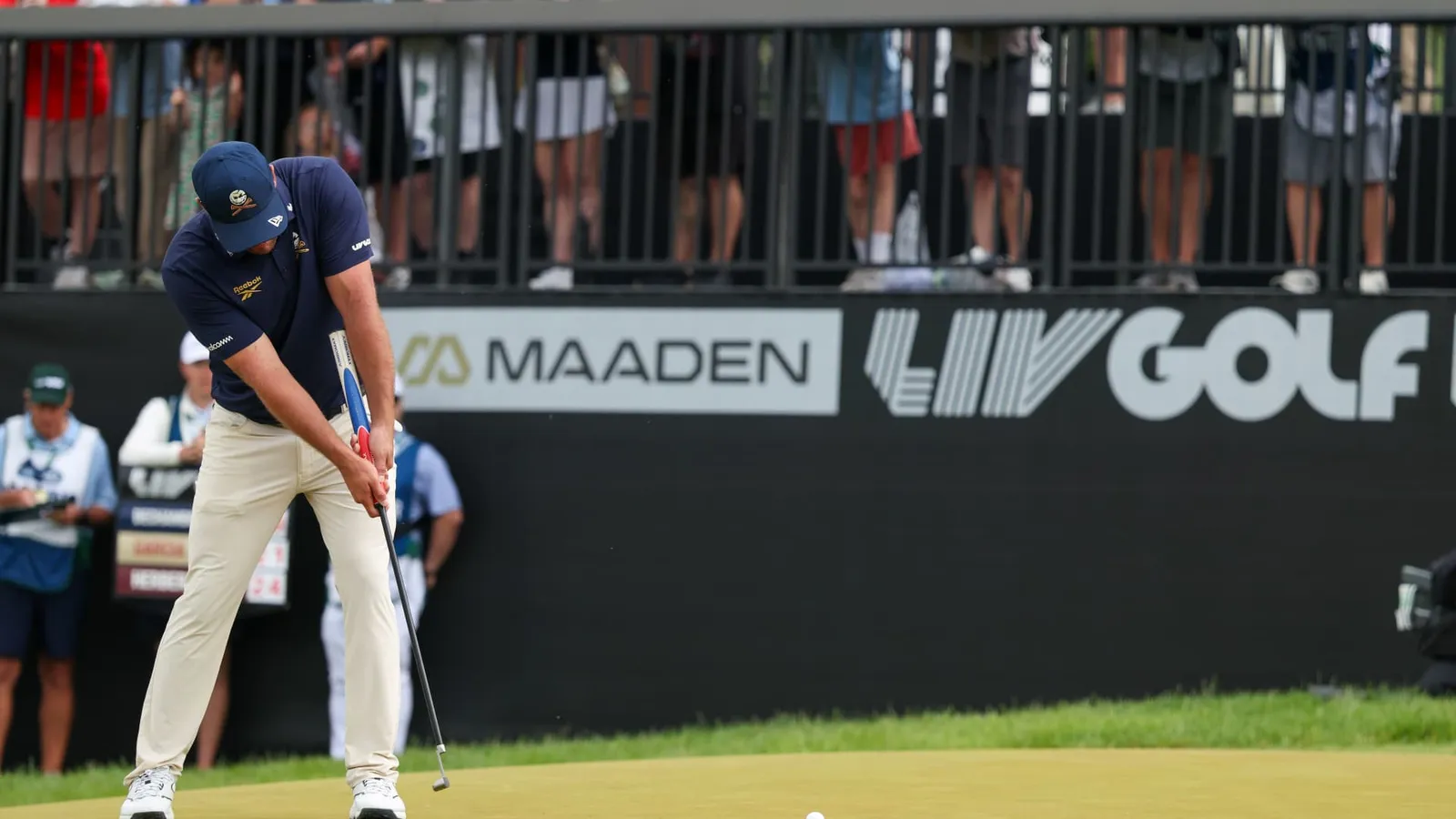
LIV Golf files for Chapter 11 bankruptcy
The Saudi-backed league's financial collapse raises urgent questions for sponsors, players, and the broader golf economy.
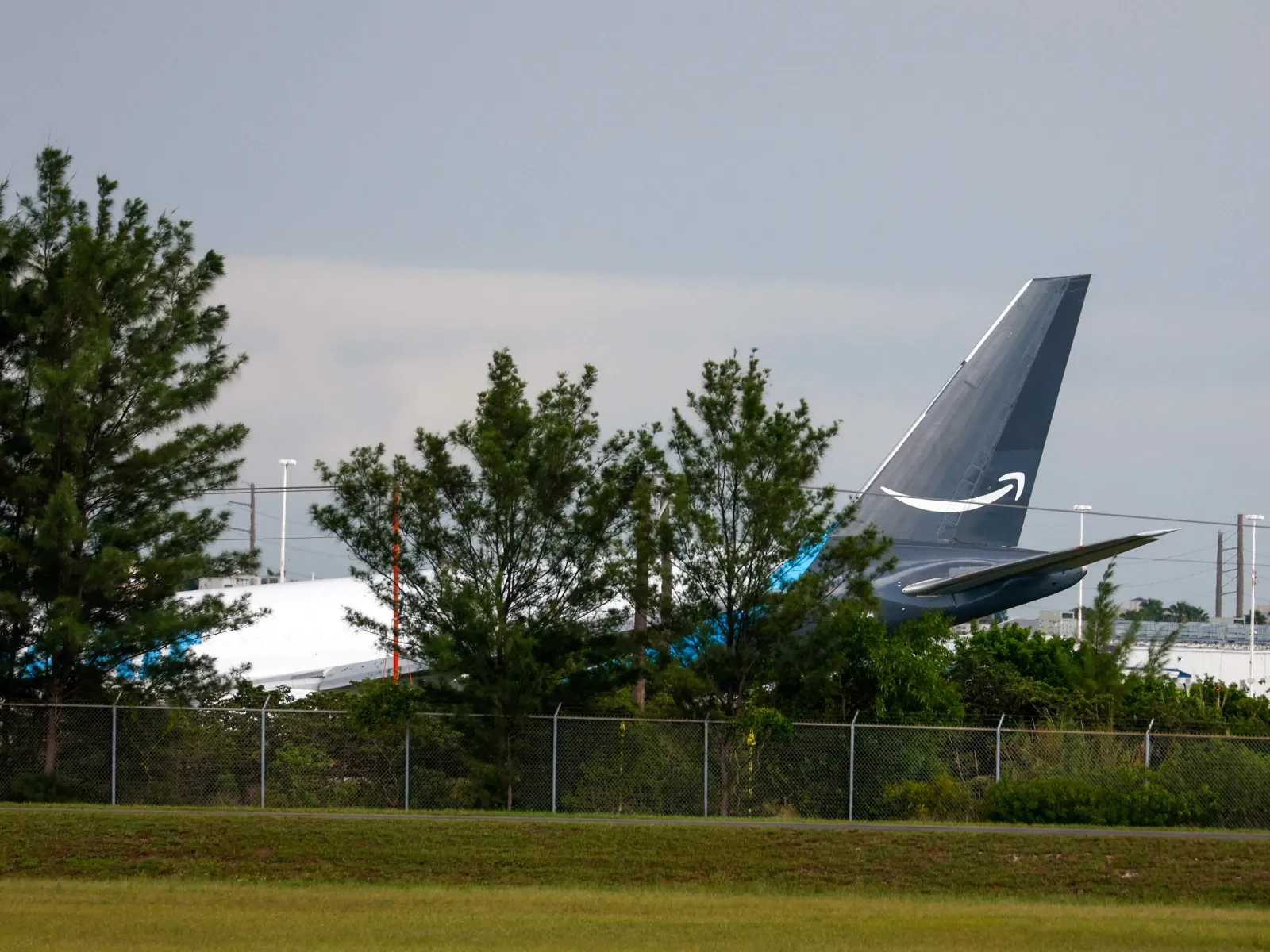
Amazon Prime Air 767 overshoots Miami runway, killing at least 5
The Boeing 767 freighter from San Juan struck vehicles and erupted in flames, prompting a ground stop and a fresh NTSB investigation into Amazon's air cargo network.