

SpaceX goes public as AI spending scrutiny intensifies, raising stakes for investors
DealBook breaks down why SpaceX’s IPO moment arrives amid mounting questions about AI’s spending binge.
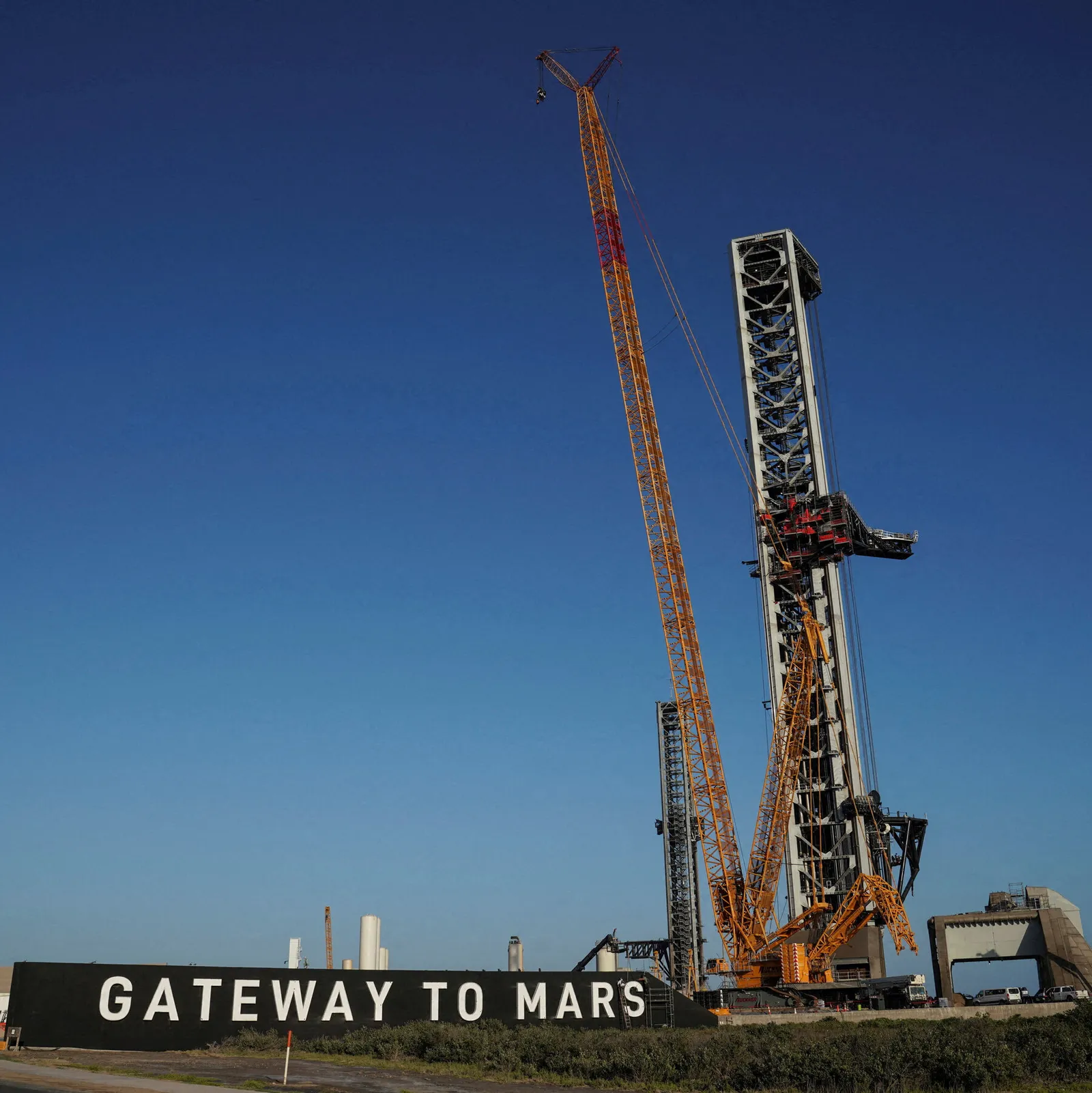
Elon Musk’s SpaceX, a company built around rockets and artificial intelligence, is going public, according to DealBook. The move lands as questions intensify over the sector’s aggressive spending spree, with real consequences for capital allocators and boards.
SpaceX is going public, and DealBook frames it as a direct response to a broader problem: the AI sector’s spending binge is getting harder to justify. In other words, the rockets company is not just adding another IPO to the calendar. It is stepping into the spotlight at the exact moment investors and regulators are starting to ask sharper questions about where money is going, who benefits, and what returns actually look like.
That timing matters for decision-makers. DealBook’s core point is simple, but it carries weight: as questions grow over the incredible spending spree happening across the sector, a high-profile listing like SpaceX’s forces everyone to measure credibility and capital discipline in real time. For executives on fundraising rounds, public companies watching their multiples, and boards trying to manage downside risk, the question becomes not “is AI exciting?” but “is the spending translating into durable value, and at what pace?”
To understand why this is such a high-stakes moment, you have to zoom out to how AI spending usually works in practice. Money tends to pour into compute, data pipelines, model development, chips, and the infrastructure needed to run systems at scale. That spending can be rational, especially when building foundations for years. But it also creates a visibility problem: outside investors cannot easily observe progress the way insiders can. So the market’s patience becomes a resource. When sentiment turns, it can turn quickly, and valuations can reprice before the underlying technology catches up.
That is where “going public” changes the temperature. An IPO does not magically solve uncertainty, but it does change accountability. Public markets demand more transparency, tighter narrative discipline, and clearer signals of scalability. DealBook’s mention of SpaceX as “Elon Musk’s rockets-and-artificial-intelligence company” highlights the dual identity at the center of this story. SpaceX is not competing in only one lane, and it is not offering a single product line investors can appraise with a single spreadsheet. That complexity can be a feature for long-term believers and a bug for anyone trying to forecast near-term metrics.
There is also a regulatory and governance angle, even when the story is not explicitly about a regulator acting in the text. When a company with AI exposure enters public markets, oversight expectations typically rise. Boards also feel that pressure. Public listing means heightened scrutiny over risk management, reporting, and the chain from strategy to execution. In a sector where spending can be immense, boards get asked hard questions: what is the investment thesis, what milestones matter, and how does management prevent capital burn from becoming permanent?
For peers, the second-order implication is that IPO timing becomes a strategic signal, whether intended or not. If the market is beginning to question the “spending spree” pattern, then a company that can credibly frame its spending as mission-critical rather than speculative has an opening. Conversely, if investors decide the sector is paying for hype rather than outcomes, companies that look similar in spending intensity can face higher cost of capital. That is board-level math, not vibes.
So what should investors and executives take away from DealBook’s framing of SpaceX going public? First, it is a reminder that big AI checks are no longer insulated from skepticism. Second, it suggests that capital markets are increasingly interested in timing, accountability, and proof. And third, it places a spotlight on how companies tell the story of AI spending when the external world is asking whether the math actually works.
The bottom line: SpaceX’s public market debut is happening amid growing questions about the AI sector’s spending spree. That combination turns one corporate event into a broader stress test for the investment thesis behind AI expansion. For decision-makers, the stakes are straightforward. The firms that can connect spending to measurable progress will benefit. The firms that cannot may find that “incredible” investment is not enough to hold market confidence.
This story's Key Insights and Take-aways are locked.
Create a free account to unlock Executive Actions for one credit.
Register to UnlockAlways free for Executives Club members. Join the Club
More in Business

Anthropic’s Levant Alpöge cracks the Jacobian conjecture after 87 years
A Harvard valedictorian used Claude to hit a 1939 breakthrough, but the missing “why” is the real problem.

Uber buys Delivery Hero for nearly $15B, vaulting to top food delivery outside China
The deal doubles Uber's dual-services footprint and pushes a ride-and-eats bundling play into 50 more markets.

Epic and Google drop settlement bid, forcing rival Android app stores by July 22
Google told the court it is ready to carry third-party app stores starting Wednesday, July 22.