

SpaceX IPO priced June 12 at $135: Elon Musk crosses $1T as funds pick up the tab
The SpaceX IPO values the company around $1.77T and estimates Musk’s stake at $866.5B, with broad investor ripple effects.
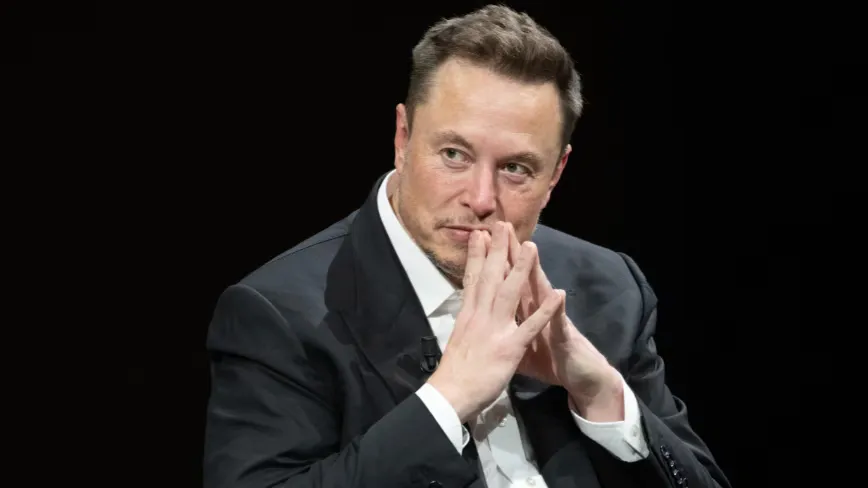
Elon Musk becomes the world’s first person worth more than $1 trillion after SpaceX priced a $135 IPO on June 12. The valuation around $1.77 trillion and estimated $866.5 billion stake concentrates returns, while retirement and broad-market investors absorb the downstream consequences.
Elon Musk crossed the $1 trillion line after SpaceX priced its IPO on 12 June at $135 per share, selling 555.6 million shares. That deal valued SpaceX at roughly $1.77 trillion, according to the updated IPO prospectus. And it gets louder from there: Musk’s SpaceX stake alone is estimated at $866.5 billion, again based on the updated IPO prospectus. The headline number is real, but the more interesting part for decision-makers is what happens when a single company’s public-market entry redraws wealth at a scale you cannot manually model in spreadsheets.
At this point, Musk is worth more than $1 trillion, which the source frames as a first for any individual. The IPO mechanics are clear in the source: 555.6 million shares priced at $135 on 12 June, creating a public market valuation near $1.77 trillion. The updated IPO prospectus then estimates the value of Musk’s stake at $866.5 billion. That trio of figures, all tied to the prospectus, is the core arithmetic driving the moment: IPO price times shares sets the company value, then stake ownership times company value estimates the founder’s personal fortune.
Why this matters beyond who wins the “trillionaire” stopwatch is because an IPO is not just a milestone for one founder. It is a reallocation event for capital systems, retirement accounts, and the institutions that buy and hold public equities. Even if Musk is the face of the story, the money that participates is often pooled: mutual funds, index funds, and other vehicles that can end up holding shares indirectly through broader market exposure. So when a company like SpaceX moves from private to public markets, it can change expected returns, risk perceptions, and portfolio concentration dynamics across investors who never asked for rockets to become their retirement plan’s main character.
There is also a regulatory framing that underpins why an IPO like this has to be legible and auditable. The updated IPO prospectus is not just marketing. It is the legal disclosure document through which investors, regulators, and counterparties get the details they need to price risk. The source explicitly attributes the $866.5 billion estimate to the updated IPO prospectus, tying the valuation logic to disclosed ownership and valuation assumptions. That linkage is important for boards and finance teams because it shows how founder wealth can become a public-market variable. Once the company is public, the valuation is continuously challenged by markets, analysts, and liquidity, not only by the founder’s private negotiations.
From a board-level perspective, the second-order effect is governance and incentives. A founder owning a stake valued at an estimated $866.5 billion creates a powerful alignment story and a powerful concentration story at the same time. Alignment can accelerate strategy and execution; concentration can distort risk appetite, because founder outcomes often become tightly coupled to one firm’s stock performance. In normal corporate life, incentive design is the tool to tune those effects. In an IPO moment at this scale, the tuning happens on hard mode, because market pricing moves fast and public information cycles are relentless.
There is another layer: the market reaction to a newly public heavyweight can alter how peers think about access to capital and timing. If SpaceX is priced around $1.77 trillion and commands that level of attention, it sets a reference point for other capital-intensive companies considering their own paths to liquidity. Even companies far from rockets will feel the gravity. Investors can compare outcomes and returns across sectors, and that comparison can influence how much risk capital is willing to pay for high-growth, high-capital stories.
For executives and investors managing portfolios tied to public markets, the “your retirement fund is picking up the tab” angle in the original framing is basically about distribution. When the IPO makes the founder a $1 trillion-level outlier, the flip side is that the financial system around retirement is participating too, directly or indirectly. That does not mean every individual account gains or loses. It means the aggregate system absorbs the valuation shift, and valuation shifts are what determine how future returns are priced. If you are in finance, investing, or corporate strategy, the practical takeaway is that IPOs do not just create headlines. They move the baseline for wealth, risk, and expectations across the institutions that keep capital markets running.
And for peers watching from the sidelines, the stakes are straightforward. A SpaceX IPO priced at $135 per share on 12 June, valuing the company around $1.77 trillion, and estimating Musk’s stake at $866.5 billion, is a reminder that liquidity events can redefine who holds the upside. The strategic question for boards and leadership teams is not whether founder wealth becomes the headline. It is whether your company is prepared for the governance, disclosure, and capital-market scrutiny that comes the minute your valuation becomes something markets can argue with every day.
This story's Key Insights and Take-aways are locked.
Create a free account to unlock Executive Actions for one credit.
Register to UnlockAlways free for Executives Club members. Join the Club
More in Business

Apple unveils first foldable iPhone Duo with 7.6-inch display under new CEO Ternus
Apple's first foldable, the iPhone Duo, marks a major product bet for new CEO John Ternus, with a 7.6-inch unfolded screen.
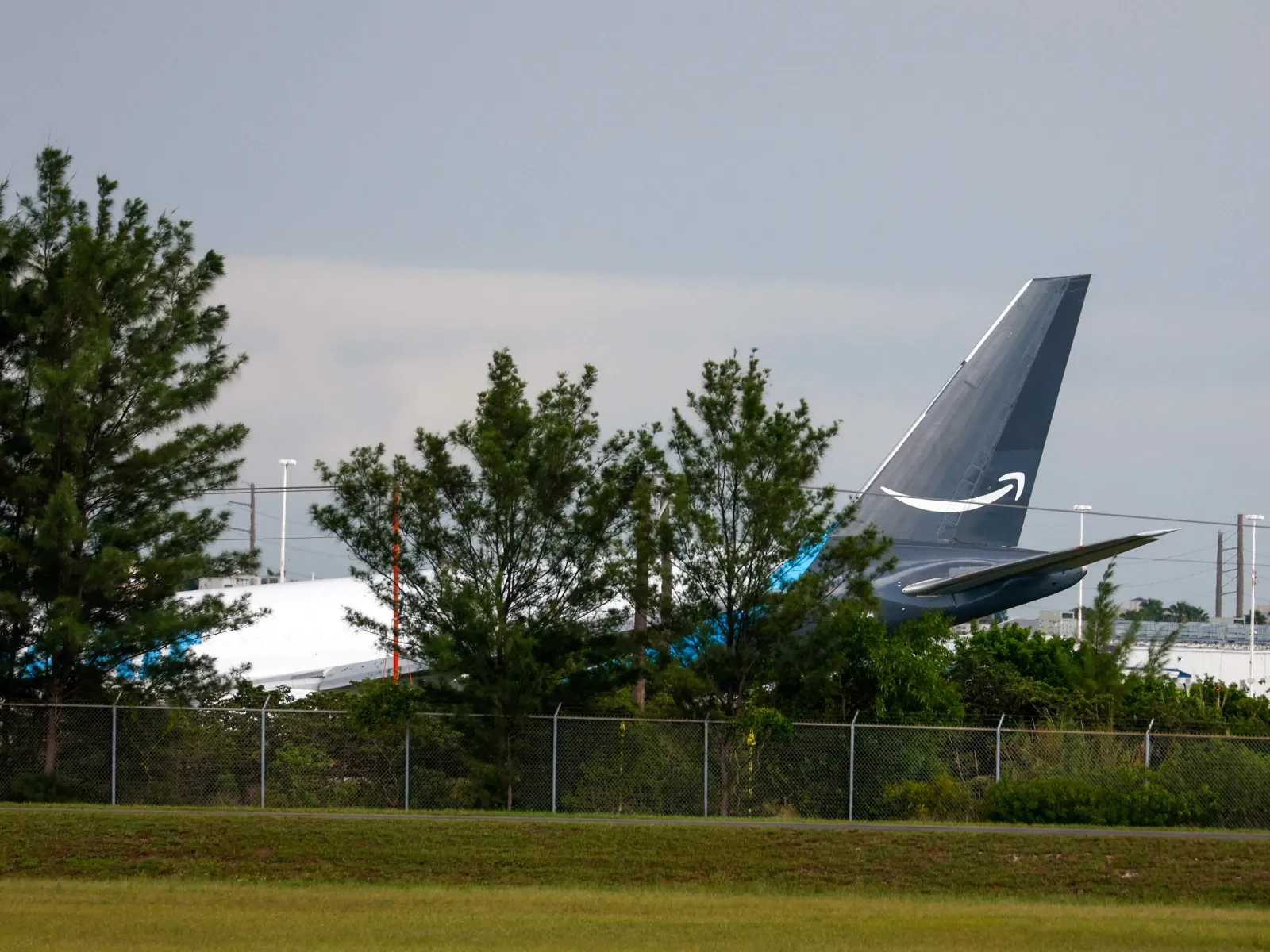
Amazon Prime Air 767 overshoots Miami runway, killing at least 5
The Boeing 767 freighter from San Juan struck vehicles and erupted in flames, prompting a ground stop and a fresh NTSB investigation into Amazon's air cargo network.
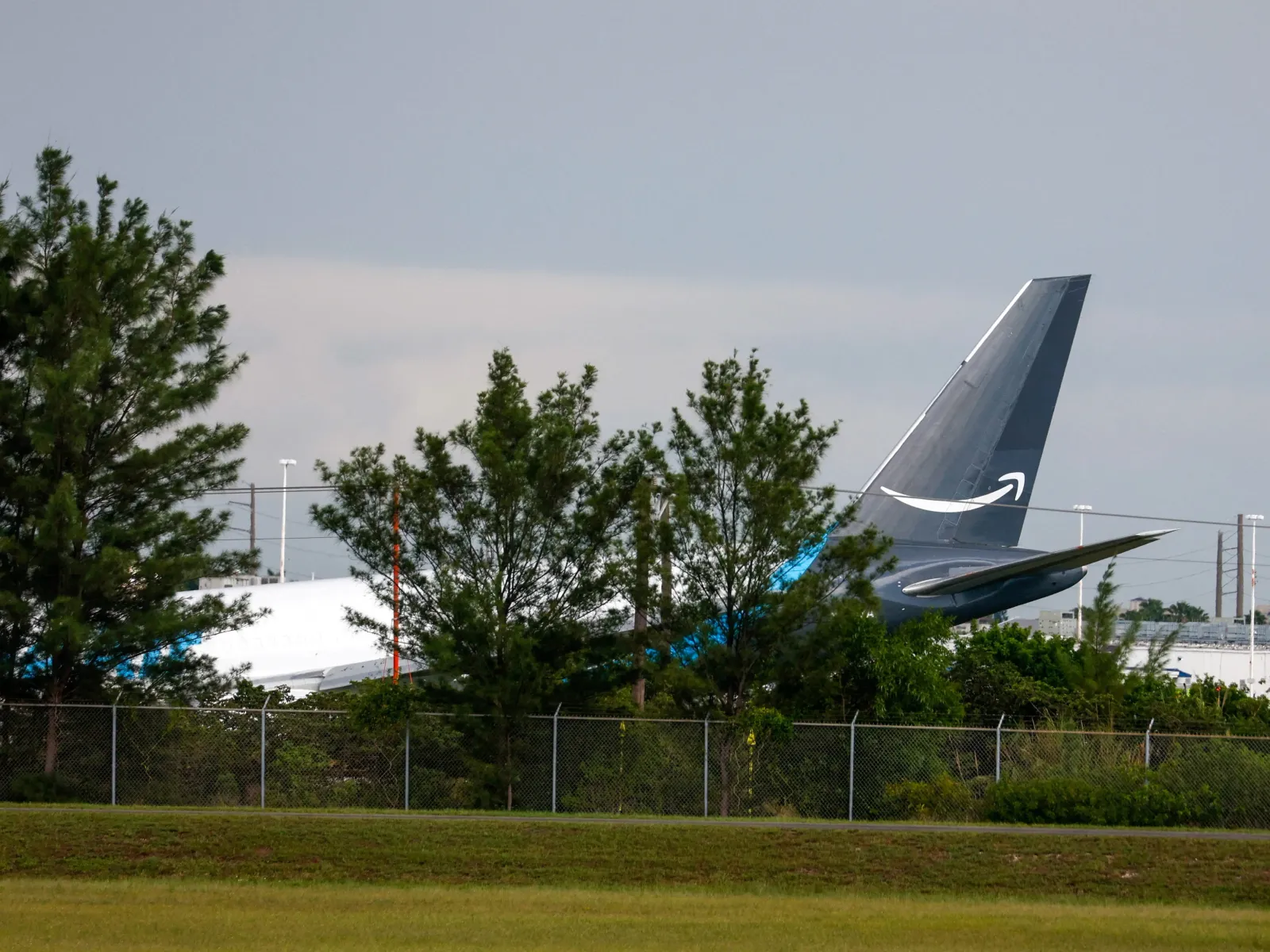
Amazon Prime Air 767 overshoots Miami runway, strikes vehicles, catches fire
The Boeing 767, operated by 21 Air, was arriving from San Juan when it overshot the runway, triggering a ground stop and multiple injuries.