

SpaceX IPO: Wedbush calls a Tesla merger “holy grail,” Morningstar pegs $63 fair value
Trading starts June 12 at $135, but analysts are split over a $72-per-share “option premium” on orbital AI dreams.
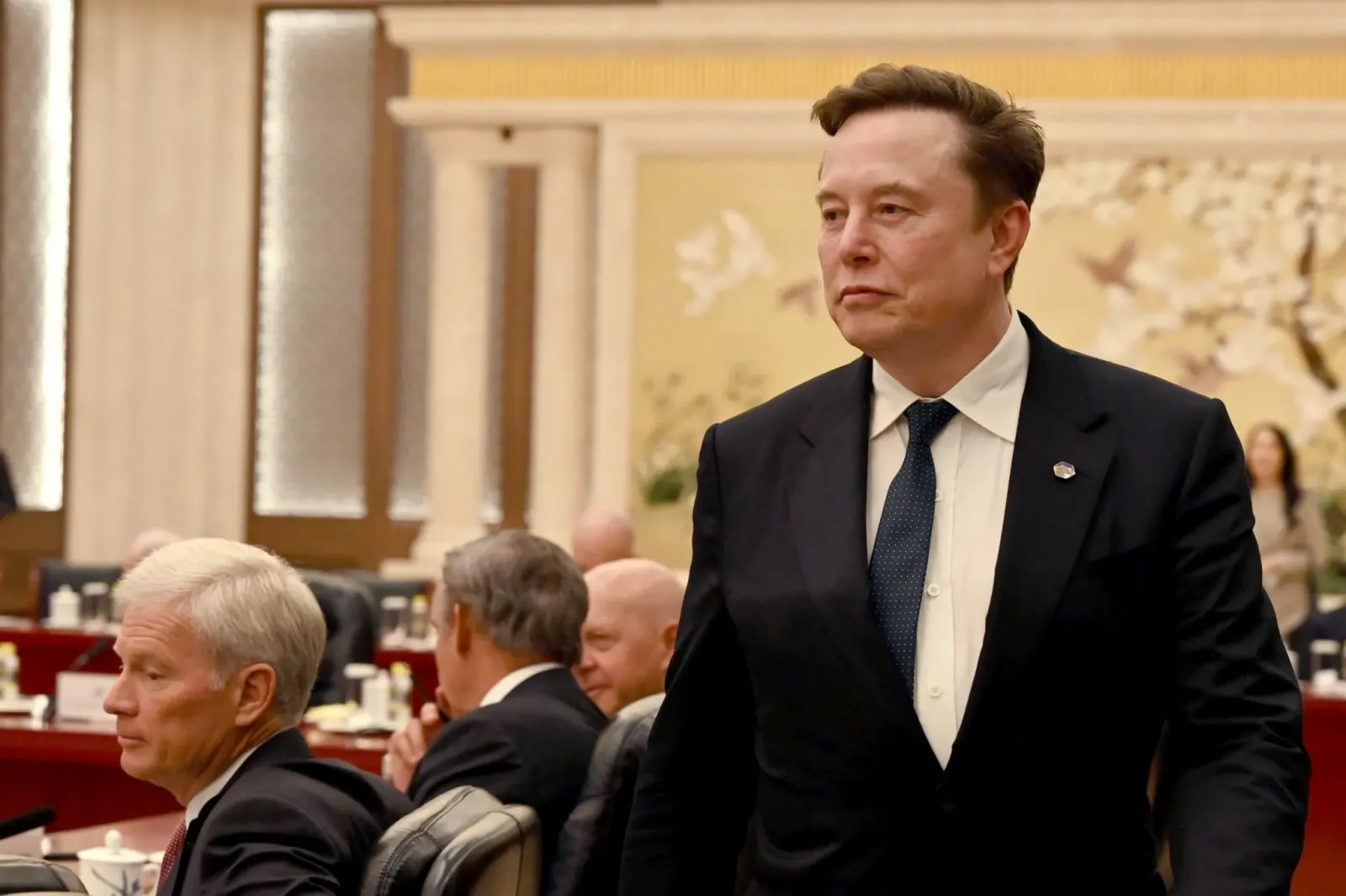
SpaceX’s record IPO launches Friday, June 12 on the NASDAQ as ticker SPCX, selling 555 million shares at a fixed $135 per share to raise $75 billion. Analysts at Wedbush and Morningstar disagree sharply on whether the valuation is a forward-looking Musk playbook or an overbought bet priced like a call option.
SpaceX’s IPO is set to start trading on Friday, June 12, and it’s already turned into a Wall Street civil war. The company plans to raise $75 billion by selling 555 million shares at a fixed price of $135 per share, and the deal is expected to be among the largest IPOs in history. Fortune reports the IPO is also $1.77 trillion, aiming to top the largest listings ever, while the broader market watches nervously because this kind of size does not land quietly. (Shares trade on NASDAQ under ticker SPCX.)
The split is stark. On one side, Dan Ives, a managing director and senior equity research analyst at Wedbush Securities, calls the offering an “important moment for the broader tech sector,” linking it to the AI revolution and “data” taking “this next step forward.” Ives also argues there is more than an 80% chance SpaceX will merge with Tesla post-IPO to create a Musk conglomerate, leaning on the fact that Tesla already has a stake in SpaceX. On the other side, Nicolas Owens at Morningstar says the IPO is significantly overvalued, putting SpaceX’s fair value at $63 per share, 53% below the reported offering price. Owens frames the $72-per-share gap as an “option premium,” meaning investors may be paying up for long-shot upside tied to ambitions like orbital data centers and a Mars base project.
That “option premium” framing matters because it connects directly to how these assets are priced when the business is not yet fully monetized. SpaceX’s numbers today are impressive but not obviously commensurate with the valuation investors are underwriting. According to the report, SpaceX posted $18.67 billion in 2025 revenue, up 33%, while swinging to a $4.94 billion net loss. Owens’ concern is not that SpaceX lacks a vision. It is that the valuation, at $135 per share, bakes in outcomes that may be uncertain, especially those dependent on orbital infrastructure. In his most optimistic scenario, SpaceX could reach a $1.97 trillion valuation, or $154 per share, by proving orbital data centers are both feasible and cost-competitive versus terrestrial alternatives.
Wedbush’s bull case is less about today’s earnings and more about control of the AI supply chain. Ives points to SpaceX’s AI compute infrastructure and its role in the broader AI race, including its Memphis, Tenn. Colossus data center facility. The facility is described as capable of delivering more than 300 megawatts of AI compute, backed by 220,000 Nvidia GPUs. The filing detail in the report shows SpaceX struck a deal to rent AI compute capacity to Google for about $920 million a month. The report also says Anthropic agreed to pay $1.25 billion per month until May 2029, granting exclusive access to Colossus 1 in Memphis, for more than $40 billion total. That is the heart of the Wedbush argument: investors are not buying rockets. They are buying a platform for compute at industrial scale, which is exactly what generative AI needs.
Even so, both sides agree the mechanics of an IPO this large can move markets. The report notes the IPO is reportedly oversubscribed, meaning demand exceeds the number of shares SpaceX offers at the offering price. When trading starts, that can amplify volatility if initial pricing and post-deal expectations gap. The market context is already there: the tech-heavy NASDAQ index fell 4% intraday on Tuesday before rebounding to close down 1%. It was trading down nearly 2% just after midday Wednesday. Ives acknowledges worries that the broader tech trade may lose some steam due to SpaceX’s giant IPO, but argues it will be a short-term bump as the market adjusts to a “new tech titan as a public company.”
Now zoom in on the part boards and dealmakers should care about: not just valuation, but timing, ownership, and liquidity rules after the listing. Owens flags that SpaceX’s lockup schedule is unusual. In many IPOs, insiders and existing shareholders typically cannot sell until after 180 days. Here, the report says SpaceX will allow some investors, excluding Musk, to sell a portion of shares as soon as weeks after the IPO date, and then periodically until December. That is a very different investor experience than a standard long lockup, and it changes how “signal” gets expressed in the market during the first critical months. Owens, in his full report published last week, suggests long-term investors may find opportunities to participate with “more margin of safety than the initial offering is likely to provide,” essentially arguing the entry price may not be the best one.
The bear case ultimately comes down to orbital data centers, which are both compelling and inherently hard to underwrite. Owens lays out a base case described as a “minimum viable product” outcome with a 50% probability: orbital data centers are technically feasible, but face scale limits that leave SpaceX with roughly 4% of forecast global AI compute capacity, yielding about $47 billion in annual orbital-AI revenue by 2035. He also outlines a “No-go” scenario with a 43% chance that orbital data centers either never work or offer no advantage over terrestrial options. In that case, he writes, management would likely cut bait around 2028, comparing it to how Tesla management walked away from plans to build multiple small-car factories. For executives at companies contemplating similar capital raises, acquisitions, or infrastructure bets, the second-order lesson is simple: when an IPO price is built like an option, you can still win big, but the path to “winning” is longer and steeper than the IPO day hype suggests.
So what should the decision-makers watching this actually take from the split? The Wedbush thesis is that SpaceX will become a market-defining AI infrastructure platform, potentially merging with Tesla in a way that gives Elon Musk control over more of the AI ecosystem. The Morningstar thesis is that investors are paying a premium for orbital infrastructure that may take years, may not scale, and may never beat Earth-based alternatives. Either way, the IPO is a live stress test for how Wall Street prices future compute networks, and for whether the AI infrastructure cycle can withstand a single, oversized valuation moment without dragging the whole tape with it.
This story's Key Insights and Take-aways are locked.
Create a free account to unlock Executive Actions for one credit.
Register to UnlockAlways free for Executives Club members. Join the Club
More in Business
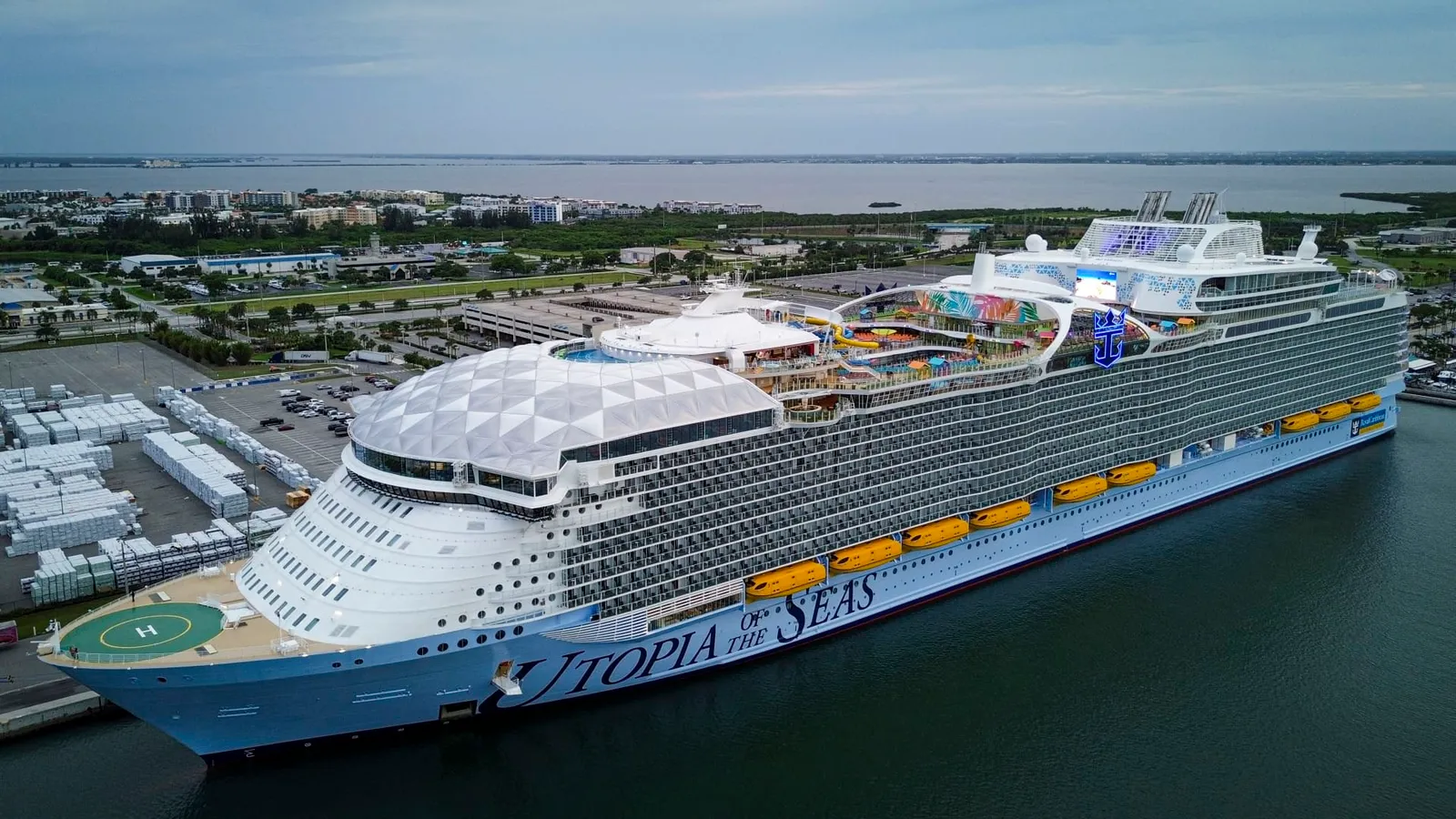
Royal Caribbean just spent $3B to own half of Sandals
The cruise giant is buying a 50% stake in the all-inclusive resort chain for $3 billion, a bet that land-based vacations are the next growth engine.

Paramount's Ellison: Merger Clearance Done, WBD Deal by Oct 1
David Ellison says the Paramount-WBD merger has full clearance after settling with state AGs, clearing the path for an October 1 close.
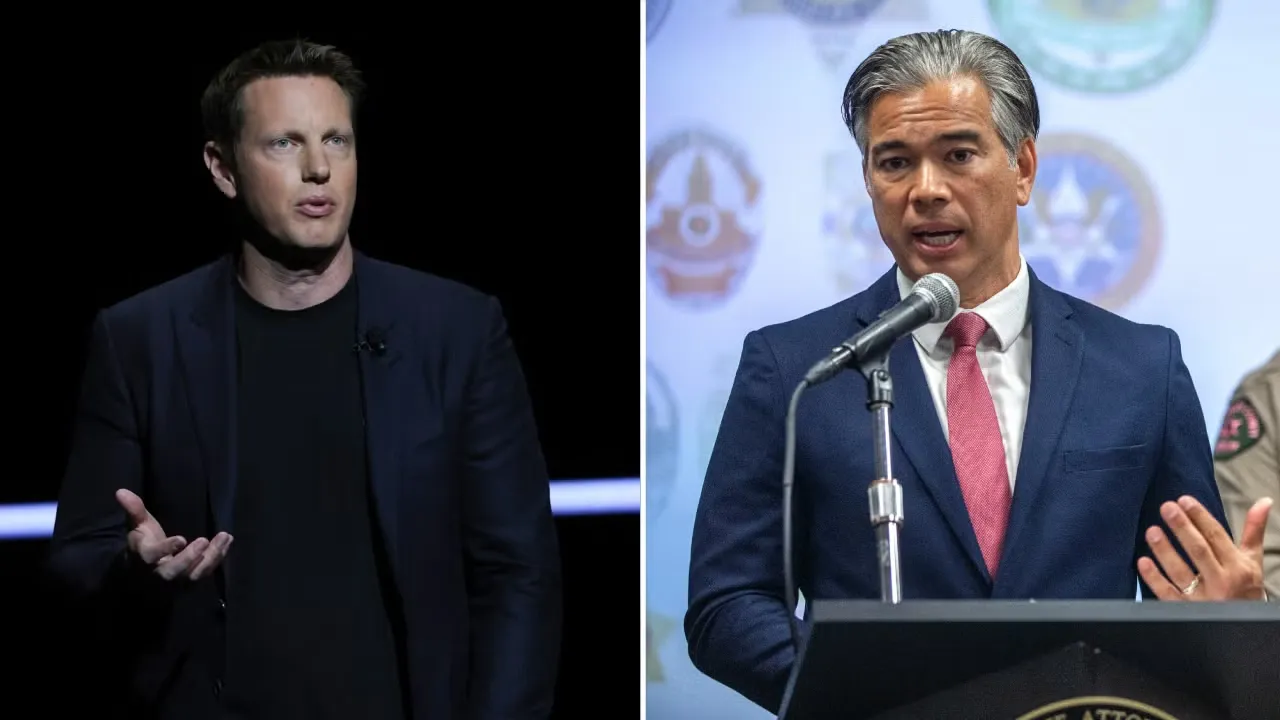
Paramount settles with 12 states, $110B Warner merger clears final hurdle
David Ellison's studio avoids a March trial and a $7M-a-day ticking fee by settling with state AGs over local job losses.