
SpaceX prices IPO at $135 per share, starting the biggest listing ever
SpaceX moves from rumor to price point: $135 per share signals a new bar for private-market exits and public-market gravity.
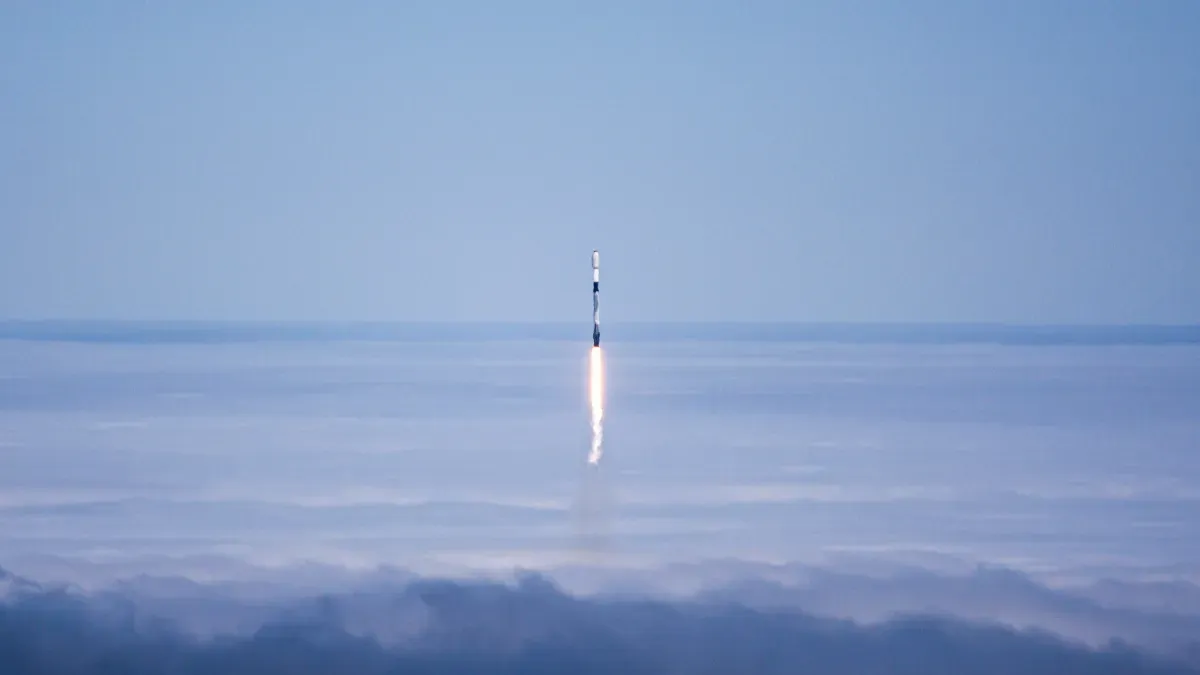
SpaceX has officially priced its shares at $135 in what TechCrunch calls the largest IPO ever. The pricing announcement kicks off the IPO process, moving the company from private valuation story to public-market reality.
SpaceX has officially priced its IPO shares at $135, and the deal is now officially underway. That $135 figure is the headline moment: it is the point where private-market expectations get translated into a public-market price, with real consequences for every buyer, every benchmark, and every shareholder trying to figure out where this story actually lands.
Because the IPO is no longer hypothetical, the next few days and weeks matter in a way executives feel in their stomach, not their spreadsheets. TechCrunch reports that “with its official share pricing announcement, SpaceX's IPO has begun.” In other words, the company is past the stage where the market is just speculating and is now in the stage where capital markets are actively repricing the business in real time.
To understand why $135 per share is more than a number, you have to look at what the IPO moment does mechanically. In a private company, valuation is largely a negotiation among investors, constrained by the size of the latest funding round and the leverage of who needs liquidity. In a public offering, valuation becomes a live auction-like process, constrained by public disclosure, daily trading, and the constant pressure of “mark-to-market” sentiment. When SpaceX sets a clear price, it anchors expectations for who shows up to buy the stock and how much risk they are taking on.
There is also a regulatory and process backdrop that typically drives timing and structure, even when the biggest headline is a price. An IPO requires coordination around filings, disclosures, and compliance expectations so that the public market has comparable information to make a decision. The share-pricing announcement is part of that transition from private storytelling to public accounting. Once the IPO begins, the company effectively trades on expectations that must be reconciled with what it has disclosed and what the market is willing to pay for those disclosed economics.
The “largest IPO ever” framing, as TechCrunch puts it, matters for decision-makers because scale changes behavior. Larger deals can pull institutional attention away from other new issues, tighten or loosen near-term liquidity, and become a reference point for how investors think about risk in fast-growing companies. For boards and CFOs at other high-growth firms, the SpaceX pricing moment becomes a benchmark for timing and pricing discipline. It can influence how aggressively other private companies decide to float, how investors pressure for liquidity, and what range of valuations becomes “defensible” in public markets.
There is a second-order effect too, and it is less about rockets and more about incentives. SpaceX has built its brand and customer impact through engineering execution, but the IPO process forces a different kind of discipline: investor communication, governance expectations, and shareholder optics. Once trading starts, the company is accountable not only to regulators and customers, but also to shareholders who will parse every quarter for momentum, margin signals, and guidance posture. That pressure can change internal planning cycles for everything from capital allocation to product milestones, because the market can punish ambiguity.
For executives and investors comparing their own situations, the key is what this IPO launch signals about where capital is willing to go. TechCrunch’s report is straightforward: SpaceX has priced at $135 and the IPO has begun. But behind that straightforwardness is an important strategic reality. The public market does not care about the mythology of a private valuation. It cares about how the stock behaves once the offering is priced and trading begins, and that is where companies either widen their investor base or discover that public scrutiny has a different weight than private confidence.
In that sense, SpaceX’s $135 pricing is a stress test for the entire category of ambitious private companies preparing for public life. If the deal proceeds smoothly from the pricing announcement into broader trading, it strengthens the narrative that public markets can still absorb massive, innovation-led stories at scale. If it becomes volatile quickly after the IPO begins, it becomes a caution sign that even a “largest ever” event is not immune to sentiment swings. Either way, boards should treat this as a live signal, not a distant headline.
This story's Key Insights and Take-aways are locked.
Create a free account to unlock Executive Actions for one credit.
Register to UnlockAlways free for Executives Club members. Join the Club
More in Business
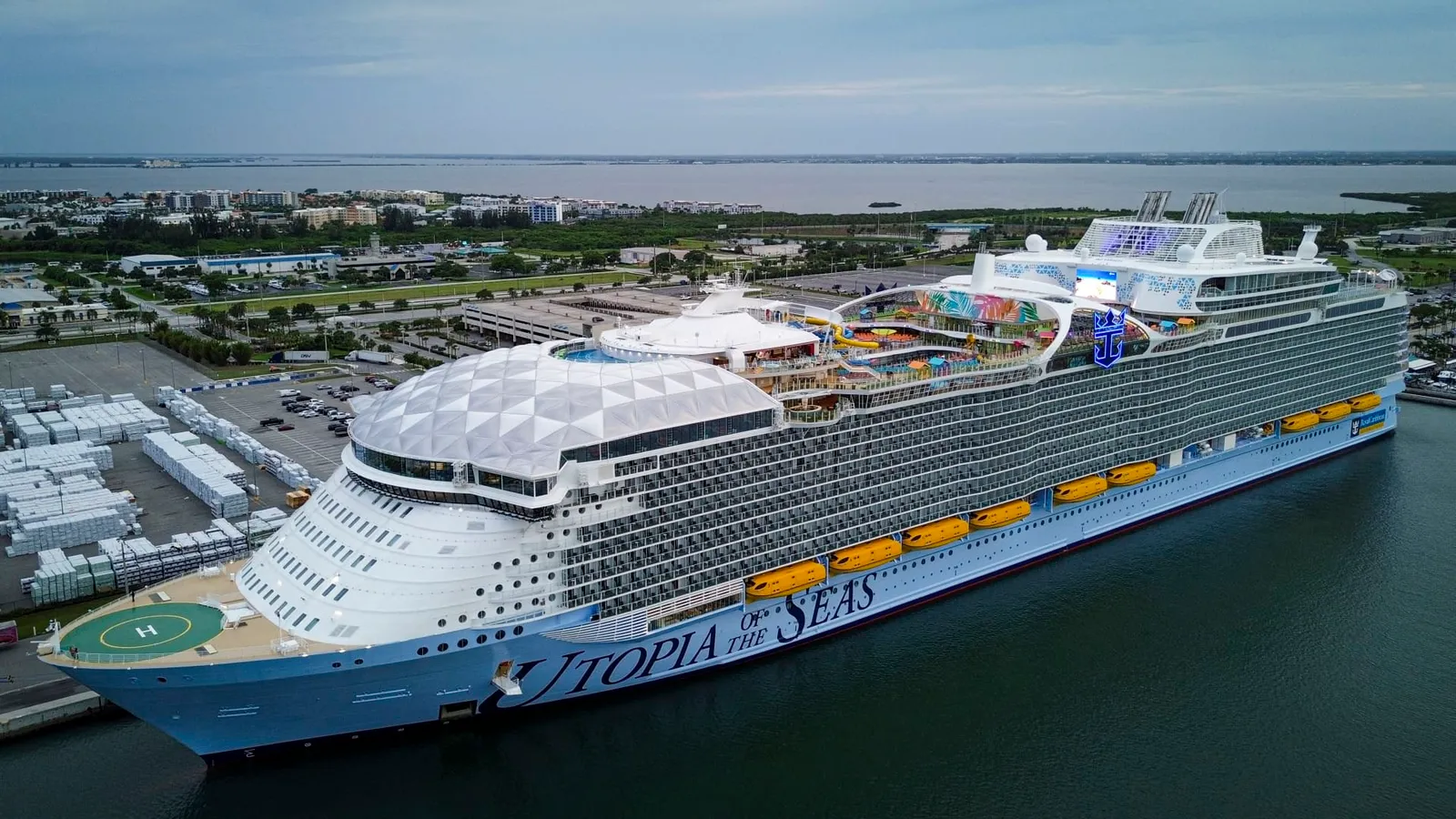
Royal Caribbean just spent $3B to own half of Sandals
The cruise giant is buying a 50% stake in the all-inclusive resort chain for $3 billion, a bet that land-based vacations are the next growth engine.

Paramount's Ellison: Merger Clearance Done, WBD Deal by Oct 1
David Ellison says the Paramount-WBD merger has full clearance after settling with state AGs, clearing the path for an October 1 close.
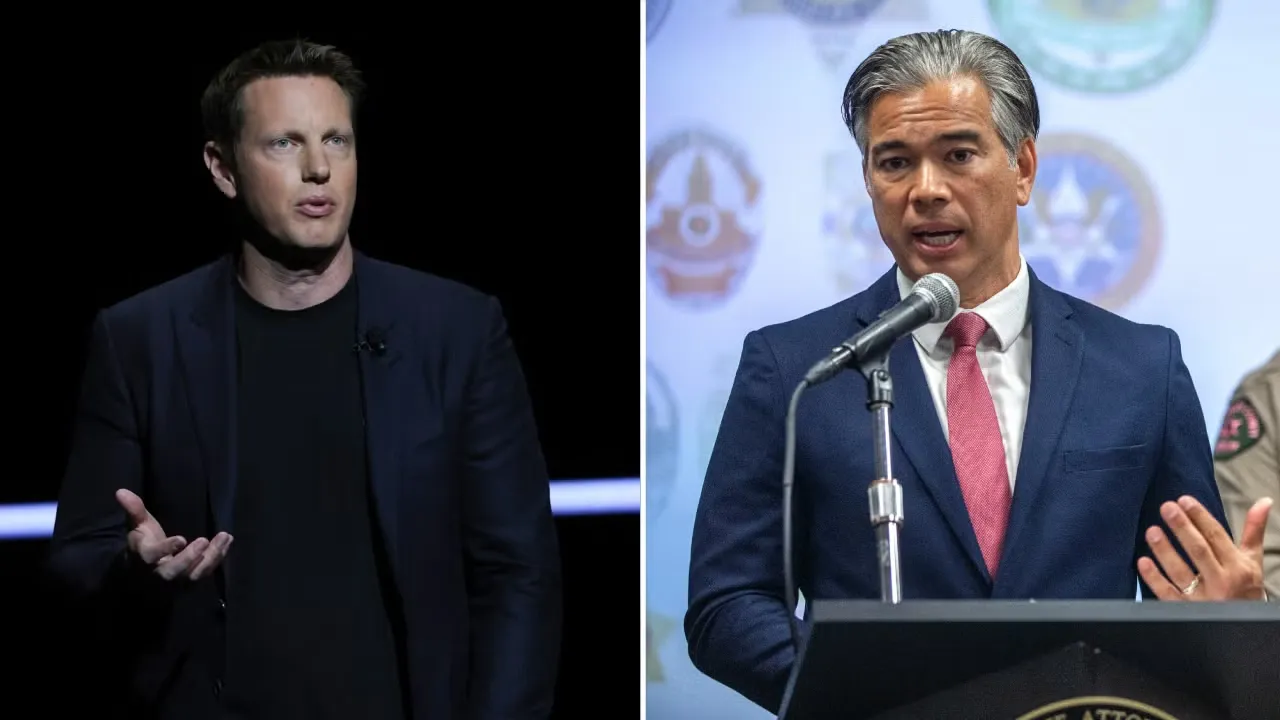
Paramount settles with 12 states, $110B Warner merger clears final hurdle
David Ellison's studio avoids a March trial and a $7M-a-day ticking fee by settling with state AGs over local job losses.