
SpaceX raises $75bn in public sale, setting up Elon Musk’s record stock-market debut
A $75 billion public raise before a record listing turns SpaceX’s next chapter into a trillionaire test for markets.
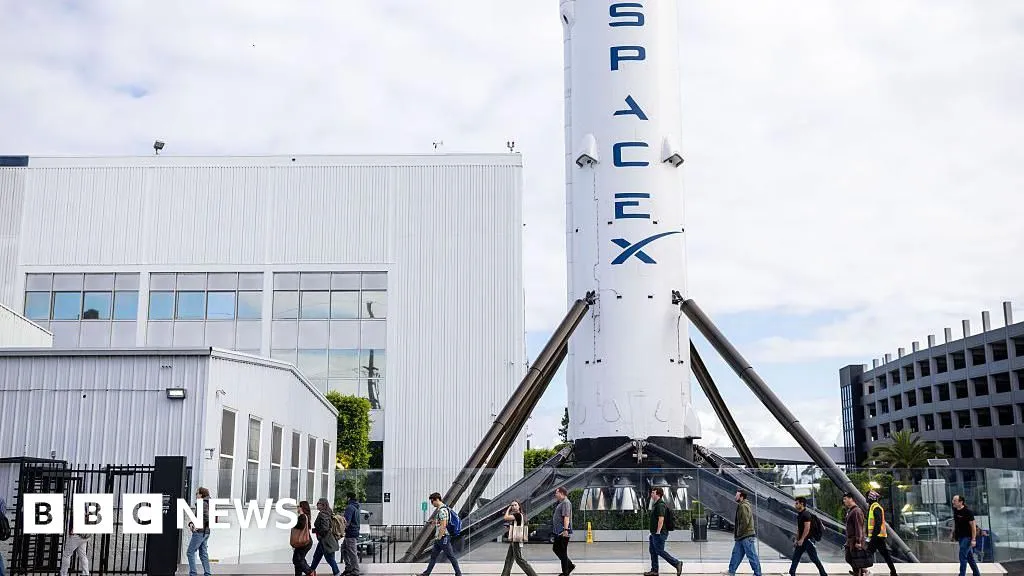
Elon Musk’s SpaceX is raising $75bn ahead of what’s expected to be a record stock market debut. For decision-makers, the scale of the raise signals the kind of valuation and investor appetite that can reshape capital markets expectations.
SpaceX is preparing to raise $75bn in a public sale ahead of a record stock market debut, in a move that is also expected to make Elon Musk the world’s first trillionaire. For executives, this is not just a headline about a charismatic founder. It is a live demonstration of how the IPO window, investor risk tolerance, and the narrative around frontier industries can align all at once, turning private-sector ambition into public-market pricing.
Because the public sale is also expected to place Elon Musk on a historic valuation path, the immediate implication for boards and CFOs is clear: the market is willing to underwrite not only technology and revenue potential, but also the scale of future optionality. If a listing of this magnitude truly sets records, it does not merely reward one company. It establishes a new reference point that other growth-stage issuers will be measured against, whether they like it or not. In other words, SpaceX’s $75bn is a number that can quickly become a benchmark in other fundraising conversations.
To understand why this matters to decision-makers beyond SpaceX, zoom out to how IPOs function in the public markets. A record debut usually draws two kinds of attention at once. First are the traditional mechanics of liquidity and institutional positioning: allocation size, underwriting dynamics, and the pace at which demand can be converted into shares available to the broader market. Second is the “story premium,” the part of valuation that can come from where investors think a business is headed, not just what it has done so far.
That second part is especially relevant for SpaceX, given what the market is effectively being asked to pay for: the belief that the company can sustain a trajectory that supports massive long-term value creation. When investors go big in a public sale, they are expressing confidence in growth, execution, and the ability to navigate complex environments. Regulatory and policy realities matter here. Public listings expose companies to more scrutiny, more reporting requirements, and more sensitivity to headlines. That means capital raising at this scale has to line up with a credible path through both operational challenges and oversight frameworks.
There is also a governance angle. When a company is close to record-scale public market entry, board incentives and management priorities tend to sharpen. The board has to balance maintaining momentum with meeting heightened disclosure obligations. Meanwhile, management teams often face a tighter discipline around timelines, guidance, and communication. Even when companies have strong fundamentals, the transition to the public markets can change how fast decisions must be made and how much narrative clarity is required to keep investors comfortable.
For executives at other high-growth companies, the most important second-order effect is the “comp set” phenomenon. Once SpaceX becomes a reference point through its public sale and the expected record debut, investors and bankers will try to map other companies onto the same valuation logic. That can raise expectations across the board. It can also compress timelines for companies that want to capture high-demand windows while sentiment is hot.
In the end, the strategic stakes are as much about capital markets psychology as they are about rockets. SpaceX is raising $75bn ahead of a record stock market debut, and the deal is expected to make Elon Musk the world’s first trillionaire. If that expectation holds, it will be a reminder that when the market decides to believe, it can move with startling speed and scale. For boards and CFOs, the question becomes not whether the moment is rare, but how to prepare your company so that, when a rare window opens, you can enter it with credibility, structure, and the ability to withstand the scrutiny that comes with success.
This story's Key Insights and Take-aways are locked.
Create a free account to unlock Executive Actions for one credit.
Register to UnlockAlways free for Executives Club members. Join the Club
More in Business

Apple unveils first foldable iPhone Duo with 7.6-inch display under new CEO Ternus
Apple's first foldable, the iPhone Duo, marks a major product bet for new CEO John Ternus, with a 7.6-inch unfolded screen.
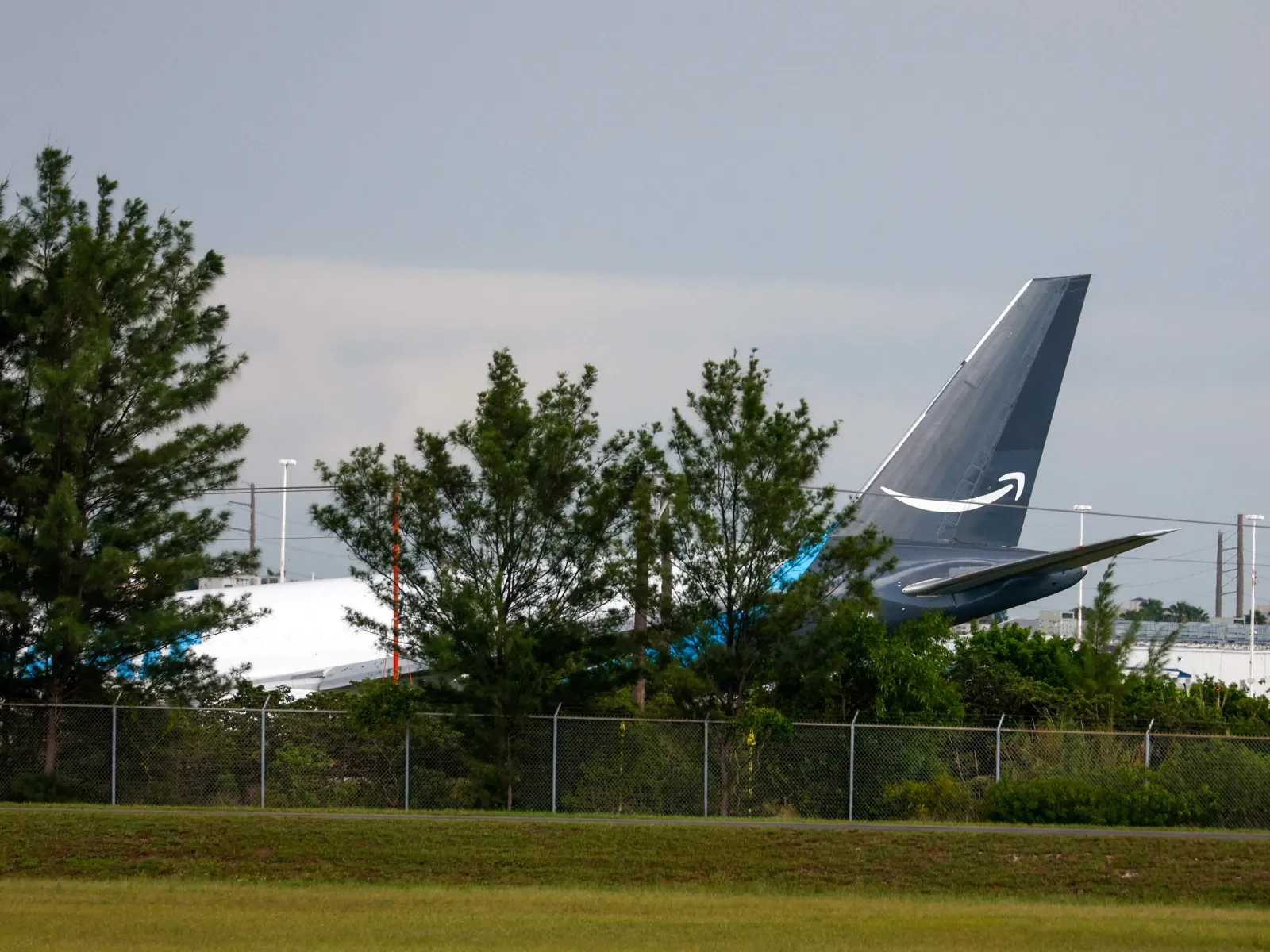
Amazon Prime Air 767 overshoots Miami runway, killing at least 5
The Boeing 767 freighter from San Juan struck vehicles and erupted in flames, prompting a ground stop and a fresh NTSB investigation into Amazon's air cargo network.
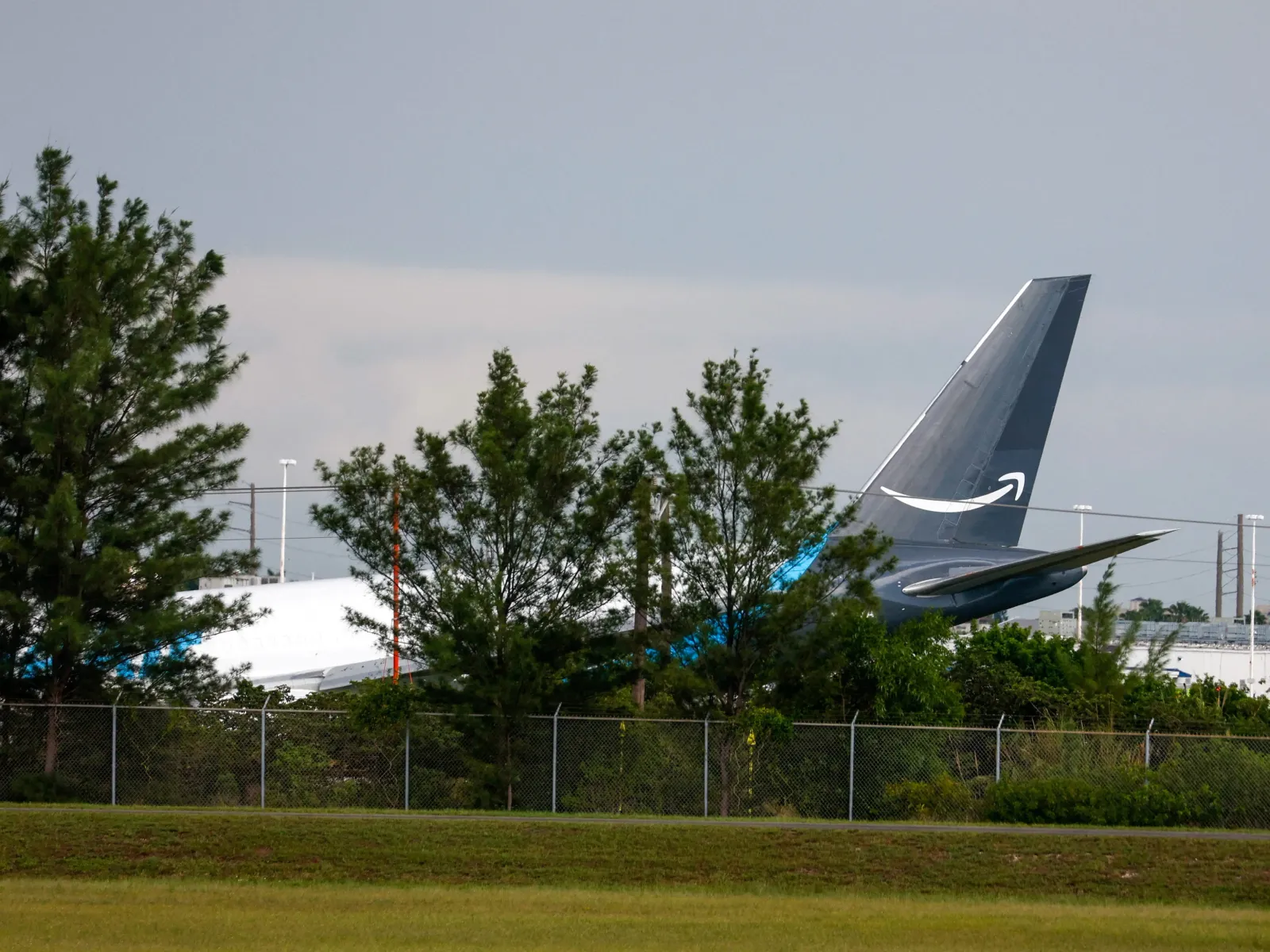
Amazon Prime Air 767 overshoots Miami runway, strikes vehicles, catches fire
The Boeing 767, operated by 21 Air, was arriving from San Juan when it overshot the runway, triggering a ground stop and multiple injuries.