

SpaceX’s $75B IPO: Japan retail got $2.2B, Nasdaq started trading today
The SPCX listing breaks records, but Japanese household investors quietly took a meaningful chunk of the biggest payday ever.

SpaceX started trading on Nasdaq today under ticker SPCX after raising $75 billion in the largest initial public offering ever completed. A regulatory filing confirmed Japanese investors accounted for $2.2 billion of the offering, following SpaceX’s record-scale $75 billion raise versus Saudi Aramco’s $29.4 billion IPO in 2019.
SpaceX began trading on Nasdaq today under the ticker SPCX after raising $75 billion in the largest initial public offering ever completed. That number is not just big, it is a new scale. The previous record holder was Saudi Aramco’s 2019 listing at $29.4 billion, which puts SpaceX’s offering at roughly 2.5 times larger.
Now zoom in on the quieter detail that matters for how IPO demand actually behaves: a regulatory filing on Friday confirmed that Japanese investors accounted for $2.2 billion of the IPO. Put differently, $2.2 billion of the $75 billion total went to retail investors in Japan, meaning this record-setting deal did not only belong to Wall Street institutions or tech-adjacent allocators. It also reached households through the plumbing of how global brokerage and distribution work.
For executives, the headline number is the $75 billion. For operators and boards, the real lesson is distribution. The IPO market may talk in terms of hype and valuations, but the outcome is largely shaped by who gets the shares and how demand concentrates across regions. Here, the regulatory filing detail gives a rare, concrete glimpse: Japanese retail participation was large enough to be called out in the filing, and it represented a meaningful slice of the total raise.
Context matters because “largest ever” changes behavior. When you set a new high-water mark, every other market participant has to recalibrate expectations for what “strong” means. The previous record holder, Saudi Aramco in 2019 at $29.4 billion, was already a headline-making event, but SpaceX’s raise roughly 2.5 times larger signals a broader shift in capital markets appetite. That does not automatically mean future IPOs will scale the same way, but it does raise the baseline against which investors, issuers, and bankers benchmark window dressing, allocation strategy, and underwriting confidence.
There is also a regulatory angle that decision-makers should not gloss over. The fact that Japanese investor allocation was confirmed via a regulatory filing on Friday tells you something about scrutiny and reporting. IPOs are watched, not just marketed. Regulators and filing regimes create an audit trail that can surface who actually owns the outcome, including retail categories. For boards, that is a governance reminder: even when a deal looks like a global crowd event, the regulatory record can reveal concentration and distribution patterns that might shape future capital raising decisions.
If you are a CFO or investor watching similar assets, the second-order question is: how much does retail demand stabilize or destabilize post-IPO trading dynamics? Japanese retail participation at $2.2 billion is not the same thing as a fully diversified base, but it is enough to matter for liquidity, volatility, and the emotional feedback loop that follows big names into the public market. Retail tends to move differently than institutions. Whether that becomes a stabilizer or a volatility amplifier depends on price action, but the first-order fact is that there is now a large non-US constituency in the shareholder base.
And for peers considering their own listings or financing, this is where the stakes get real. A record IPO does not just raise money, it sets narrative expectations. SpaceX trading under ticker SPCX on Nasdaq after a $75 billion raise makes it a live reference point for the entire market. Companies that were waiting to see if mega-sized listings could land will now have evidence that capital and allocation frameworks can support extremely large transactions. At the same time, the confirmed Japanese retail slice of $2.2 billion adds another reference point, showing that international retail channels can absorb a substantial portion of a global offering.
So the strategic takeaway for executives is not to stare only at the $75 billion figure. It is to understand what produced it: record-level issuer demand matched with global investor reach, strong enough that the filing can explicitly quantify $2.2 billion of Japanese retail participation. That is the kind of detail that can inform allocation design, investor outreach planning, and risk management for the next big deal trying to break the record leaderboard.
This story's Key Insights and Take-aways are locked.
Create a free account to unlock Executive Actions for one credit.
Register to UnlockAlways free for Executives Club members. Join the Club
More in Business
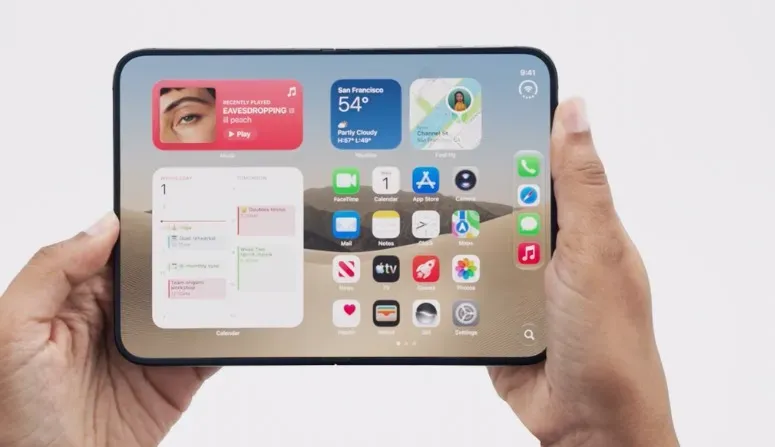
Apple unveils first foldable iPhone Duo with 7.6-inch display under new CEO Ternus
Apple's first foldable, the iPhone Duo, marks a major product bet for new CEO John Ternus, with a 7.6-inch unfolded screen.
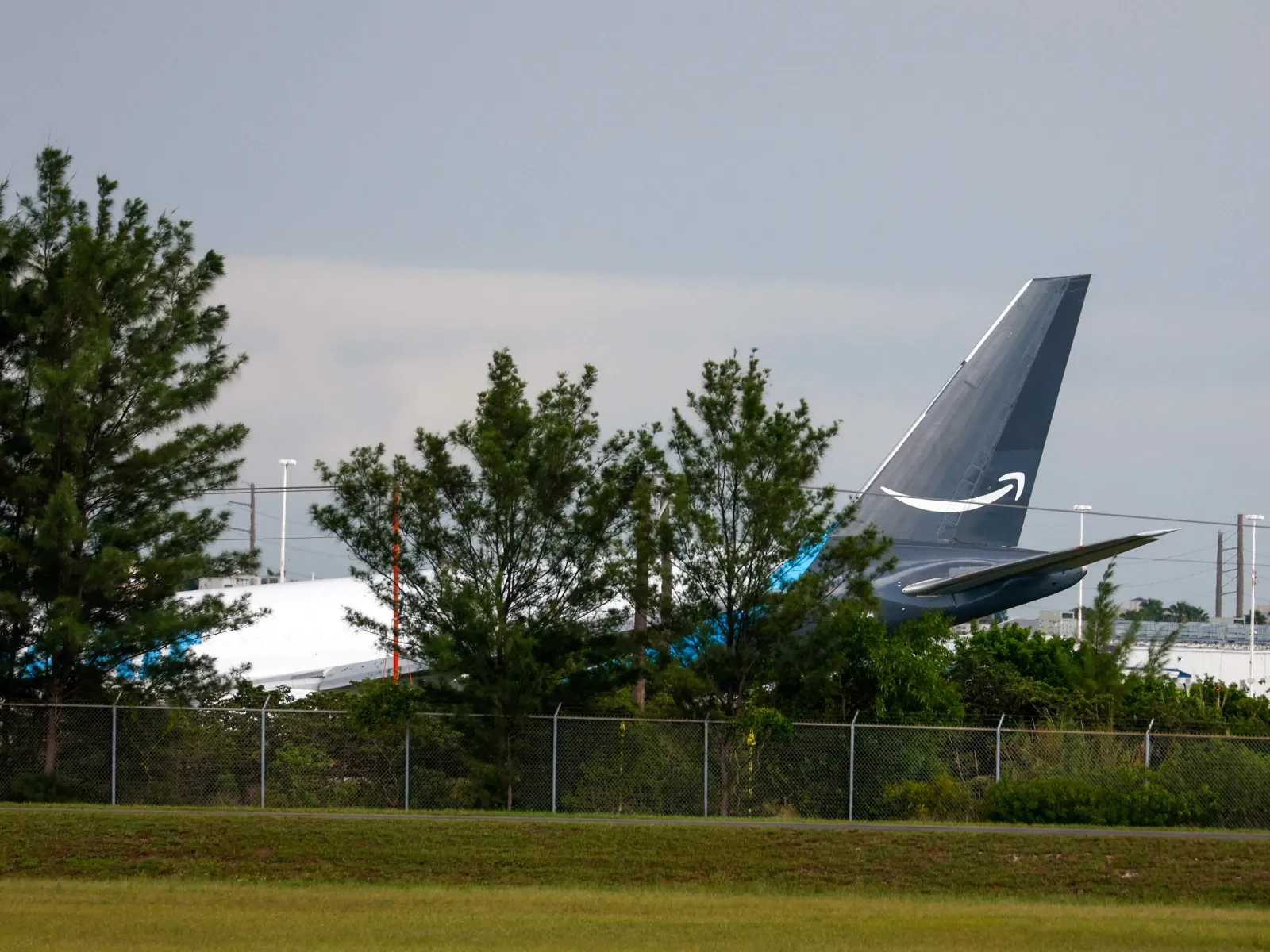
Amazon Prime Air 767 overshoots Miami runway, killing at least 5
The Boeing 767 freighter from San Juan struck vehicles and erupted in flames, prompting a ground stop and a fresh NTSB investigation into Amazon's air cargo network.
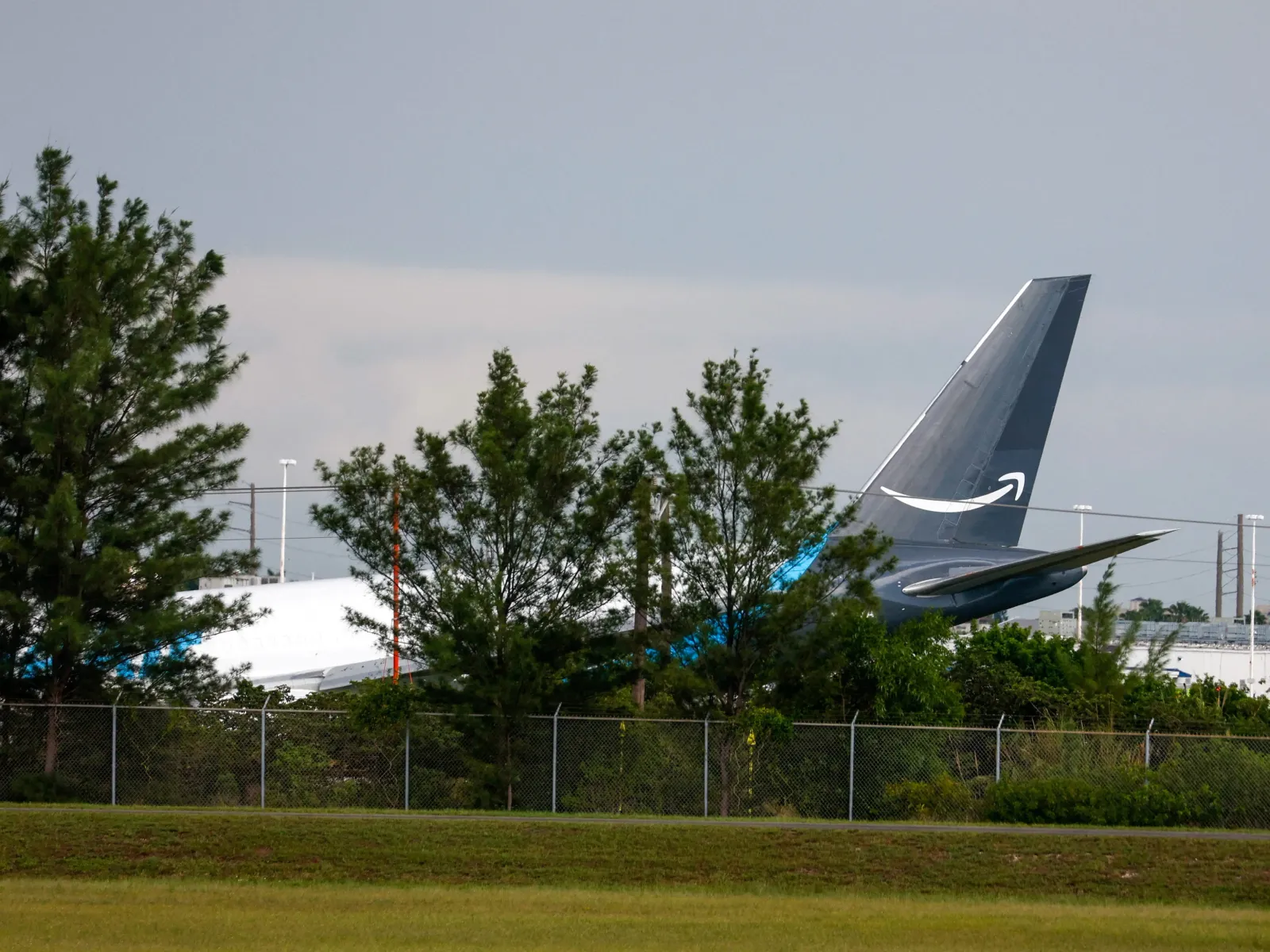
Amazon Prime Air 767 overshoots Miami runway, strikes vehicles, catches fire
The Boeing 767, operated by 21 Air, was arriving from San Juan when it overshot the runway, triggering a ground stop and multiple injuries.