
SpaceX's AI engine just delivered a $4.4 billion profit quarter
The rocket giant's third-quarter net income shows AI demand is now a decisive force in the space economy.
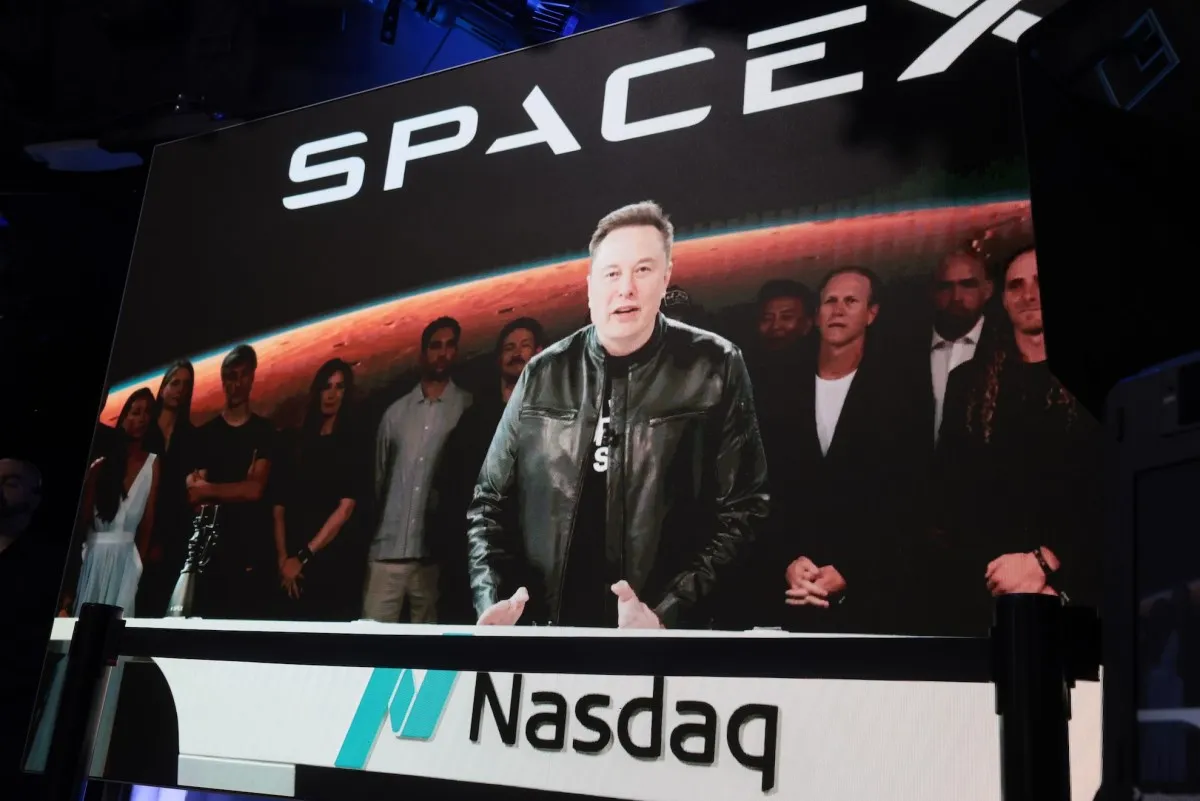
SpaceX reported third-quarter net income of $4.4 billion, with AI as the primary growth engine. For decision-makers, the result signals that AI infrastructure demand is now a decisive force in space economics.
SpaceX just proved that AI is not just a software story. The company reported third-quarter net income of $4.4 billion, a figure that confirms its AI business is beating expectations. According to the results, AI was the engine behind the quarter's profitability. That single line changes how investors and competitors should read the space economy, and it lands with extra weight because SpaceX is a private company that rarely opens its books. A quarterly net income figure of this size is a rare disclosure, and it is impossible to ignore.
For years, SpaceX has been the dominant launch provider, but profitability has been elusive for much of the private space industry. The $4.4 billion net income figure is not just a milestone for Elon Musk's company. It is a signal that the AI buildout is now flowing directly into space infrastructure. When AI companies scale their data centers, they need more connectivity, more bandwidth, and more launch capacity. SpaceX, through Starlink and its launch business, sits at the center of that demand. The original report put it plainly: SpaceX's AI business is beating expectations. That means internal forecasts for AI-related revenue were exceeded, and the market is only beginning to price in what that implies.
SpaceX has historically relied on government contracts and commercial satellite launches. But the AI wave has created a new, faster-growing revenue stream. Starlink, the company's satellite internet constellation, has become a critical piece of global connectivity, and AI applications require low-latency, high-bandwidth connections that Starlink can provide. For context, the space industry has long been capital-intensive, with thin margins and long payback periods. A single quarter of $4.4 billion in net income suggests that the operating leverage is finally kicking in. That is a rare outcome in an industry where many players still struggle to reach breakeven, and it raises the bar for every competitor in the launch and satellite sector.
The profitability milestone also matters because space is a notoriously difficult business to make money in. Building rockets, launching satellites, and maintaining constellations requires billions in upfront investment. For a private company to report $4.4 billion in net income in a single quarter suggests that the operating leverage is finally kicking in. That is a rare outcome in an industry where many players still struggle to reach breakeven. The result also underscores a broader shift: the AI boom is not just about chips, data centers, and energy. It is also about the physical infrastructure that connects AI systems to the world. SpaceX's result shows that companies providing that infrastructure can capture outsized value. The same dynamic is likely playing out in other areas, from fiber optics to power generation to satellite communications.
For executives outside the space sector, the number carries a broader lesson. The AI boom is not just about chips, data centers, and energy. It is also about the physical infrastructure that connects AI systems to the world. SpaceX's result shows that companies providing that infrastructure can capture outsized value. The same dynamic is likely playing out in other areas, from fiber optics to power generation to satellite communications. Boards and CFOs should be asking where their own supply chains sit in this new hierarchy. The companies that own the physical layer of the AI economy are becoming the quiet winners, and SpaceX is now the clearest example.
The competitive implications are immediate. Rivals in the launch and satellite industry now face a higher bar. If SpaceX can turn AI demand into billions of dollars of profit, other players will need to explain why they cannot do the same. That pressure will likely accelerate consolidation, partnerships, and new investment in AI-related space services. For boards and CFOs, the takeaway is to re-examine their own AI infrastructure supply chains. The companies that own the physical layer of the AI economy are becoming the quiet winners. SpaceX's $4.4 billion quarter is the clearest evidence yet that the space race has a new driver, and it is not just rockets. It is the insatiable demand for AI compute and connectivity.
This story's Key Insights and Take-aways are locked.
Create a free account to unlock Executive Actions for one credit.
Register to UnlockAlways free for Executives Club members. Join the Club
More in Technology
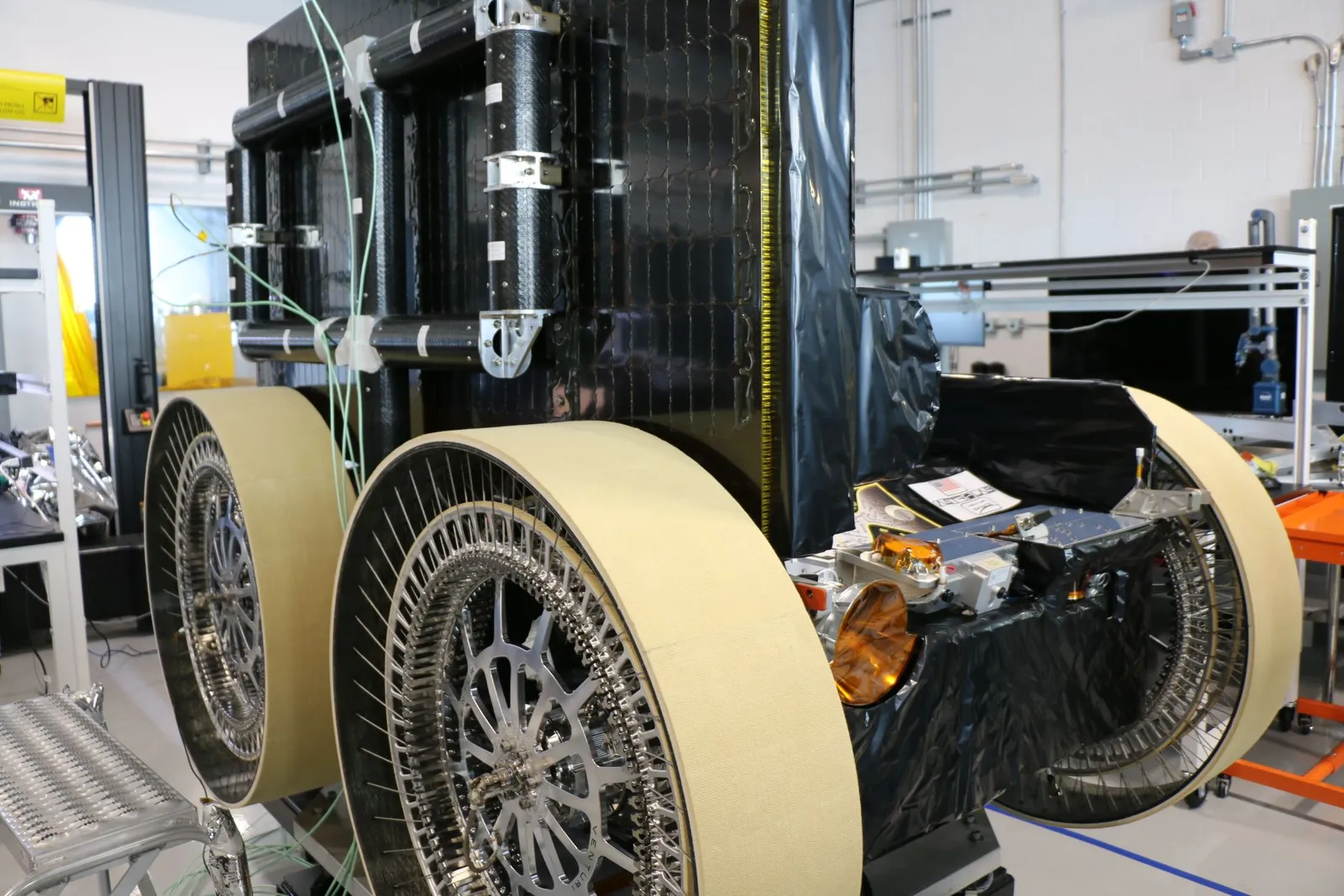
The moon's first supercomputer launches this year with AI aboard
Astrolab's FLIP rover will test HPE's Spaceborne Computer-4 at the lunar south pole, a milestone for edge computing, autonomous navigation and the commercial moon economy.

Meta's Muse hits 10M downloads in 40 days, beating AI rivals on retention
Muse's fast start puts it in rare company - and early data shows users stick around longer than ChatGPT or Gemini.

Google's $899 Googlebook laptops are 'woefully underbaked,' review finds
Google's premium ChromeOS-Android hybrid starts at $899, but the first major review says the software can't match the hardware. A risky debut against the MacBook Air and Surface Laptop.