

SpaceX’s first options day breaks U.S. records after a $85B IPO win
Big IPO, bigger options debut: what it means for investors, risk teams, and anyone benchmarking market appetite.

SpaceX raised more than $85 billion in the biggest U.S. equity IPO in history on Friday. On Tuesday, it followed with the biggest U.S. options debut in history, shattering first-day options trading records.
SpaceX did not just have a big IPO day. Friday’s launch was the biggest IPO in the history of the U.S. equity market, raising more than $85 billion. Then Tuesday came with a second punch: the biggest debut in the history of the U.S. options market, with first-day options trading that shattered records.
The sequence matters because it shows momentum across the capital stack, not only in stock trading. Friday proved there was deep demand for SpaceX equity. Tuesday proved that same demand immediately translated into derivatives activity, meaning investors were not just buying the story, they were reaching for tools to manage exposure, price risk, and express views with speed.
If you work in markets, risk, or investment committees, the main takeaway is about how quickly public trading can turn into a full-blown options ecosystem. Options are not a side quest. They are where sophisticated participants routinely adjust hedges, manage volatility, and structure payoff profiles without waiting for a long holding period. When first-day options trading breaks records on a fresh listing, it suggests the market already expected a high degree of trading intensity and the need for flexible positioning.
This kind of two-step “equity first, options fast” pattern also changes how you should think about liquidity and execution risk around major listings. An IPO typically launches an identifiable supply and price discovery process for shares. Options require additional market making, implied-volatility discovery, and strike-by-strike liquidity to develop. Tuesday’s record suggests that participants were ready to deploy that machinery immediately. For boards and executives at companies watching from the sidelines, it is a reminder that market attention does not stay neatly in one instrument. It moves.
Regulatory context is part of the subtext here, even if the source keeps it tight. A U.S. equity IPO and a U.S. options debut are governed by different mechanics, venues, and rules, which is exactly why a “first day options debut” can be such a big signal. The fact that SpaceX can move from the biggest equity IPO to the biggest options debut indicates the process cleared the practical gates for trading authorization and market operations without delay becoming a bottleneck.
So what does this mean for investors and decision-makers beyond “records were broken”? It points to a demand curve that is steep enough to pull in capital across multiple layers. Equity buyers want ownership exposure. Options traders want flexibility, hedging, and faster reaction to new information. When both happen at the same time window, it can raise the profile of the company for a broader set of institutions, including those whose mandates require risk management capabilities rather than pure directional bets.
There is also a second-order implication for anyone trying to benchmark investor appetite for future listings. SpaceX is setting a reference point for what the market may tolerate at the high end of both deal size and trading activity. Other founders, sponsors, and publicly traded peers will notice because they often plan around expectations: expected demand, expected market-maker behavior, and expected volatility pricing. If options liquidity emerges fast, it can accelerate how quickly new holders learn what their downside protection costs and how quickly strategies can be built.
Finally, this is a strategic signal for the broader market structure, not just SpaceX. The biggest U.S. equity IPO in history and then the biggest U.S. options debut in history, in consecutive turns, tells you that the market can simultaneously support large-scale public funding and rapid derivatives adoption. For executives at companies considering going public, for CFOs planning capital markets timing, and for boards overseeing shareholder outcomes, that combination affects everything from initial pricing narratives to how risk is distributed after the first trade. When investors pile into moonshot bets and immediately show up in options, it is a strong reminder that attention is tradable, hedgable, and scalable.
This story's Key Insights and Take-aways are locked.
Create a free account to unlock Executive Actions for one credit.
Register to UnlockAlways free for Executives Club members. Join the Club
More in Business
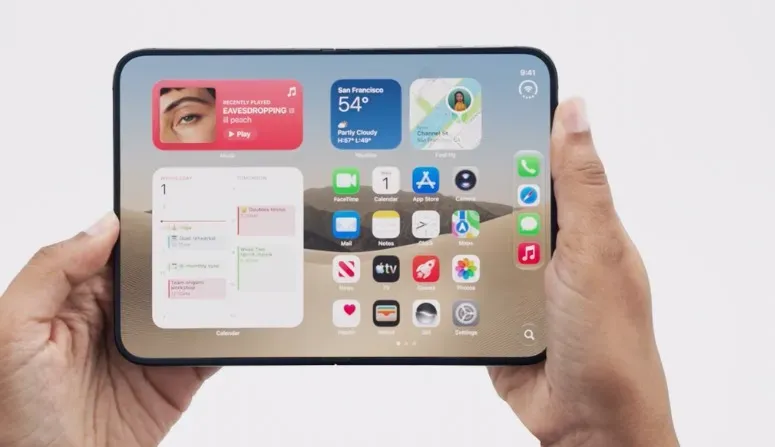
Apple unveils first foldable iPhone Duo with 7.6-inch display under new CEO Ternus
Apple's first foldable, the iPhone Duo, marks a major product bet for new CEO John Ternus, with a 7.6-inch unfolded screen.
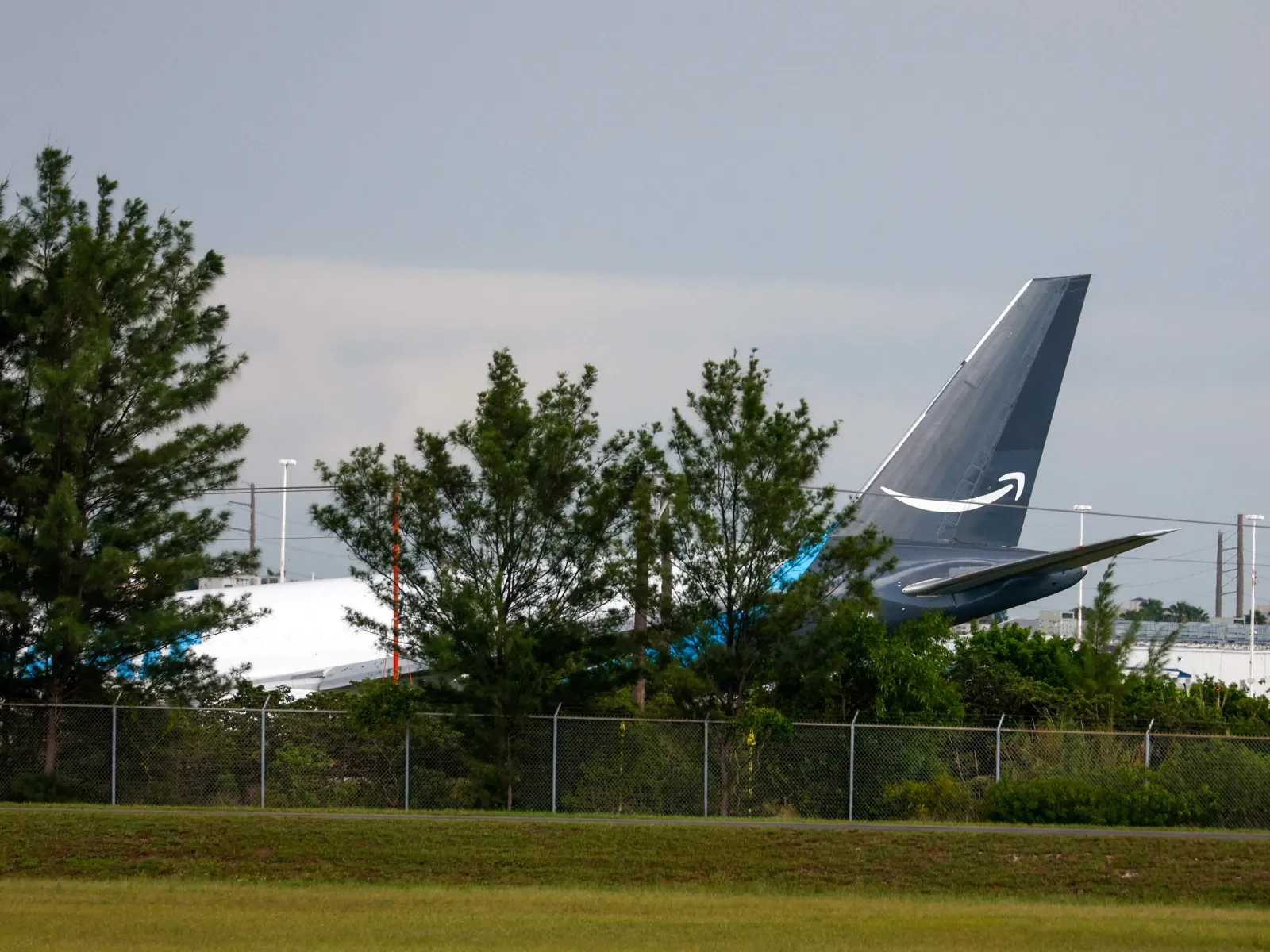
Amazon Prime Air 767 overshoots Miami runway, killing at least 5
The Boeing 767 freighter from San Juan struck vehicles and erupted in flames, prompting a ground stop and a fresh NTSB investigation into Amazon's air cargo network.
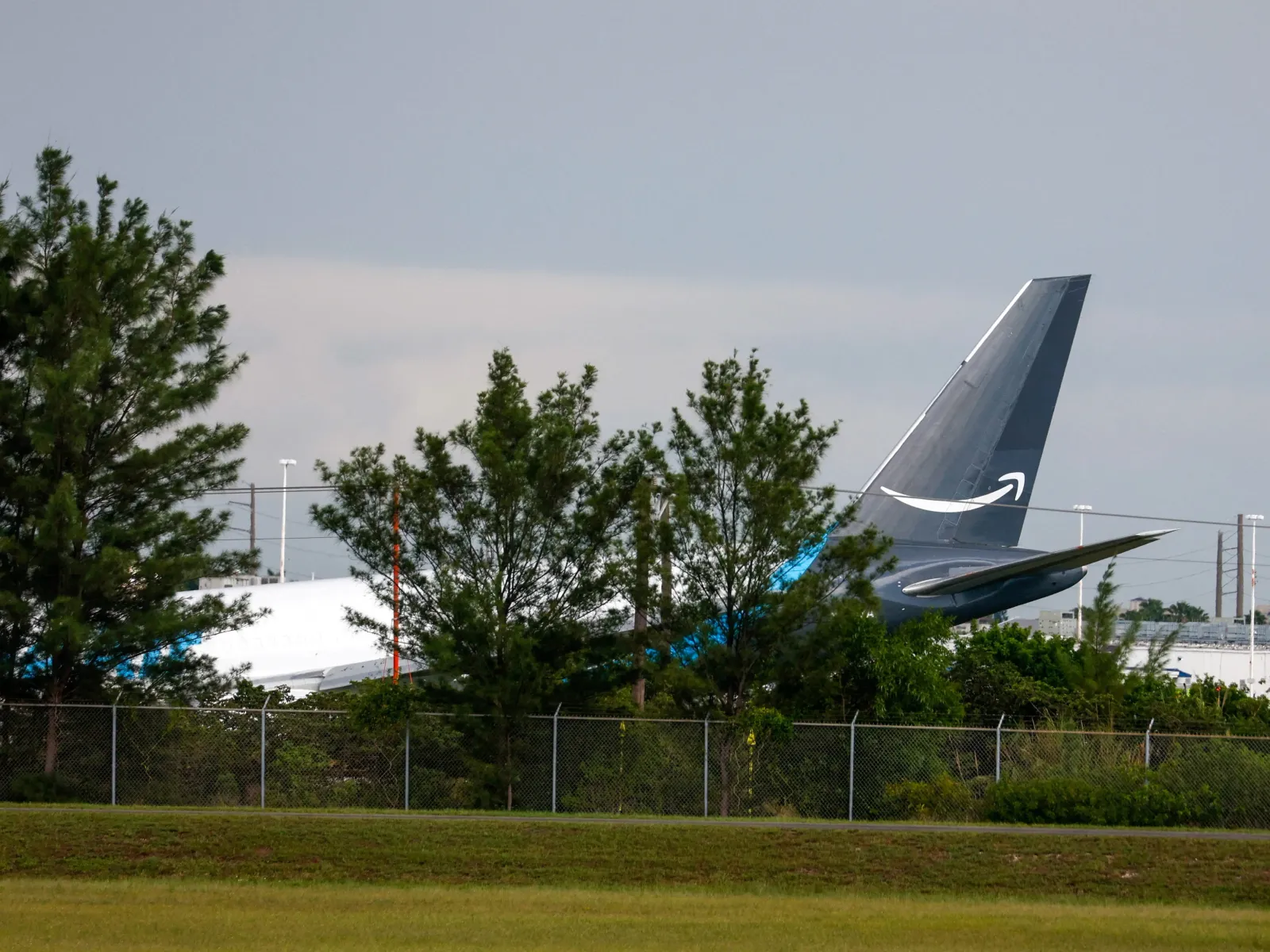
Amazon Prime Air 767 overshoots Miami runway, strikes vehicles, catches fire
The Boeing 767, operated by 21 Air, was arriving from San Juan when it overshot the runway, triggering a ground stop and multiple injuries.