

SpaceX’s Nasdaq debut puts Elon Musk’s control structure under a microscope today
The IPO lands on Nasdaq as critics question Musk’s near-absolute ownership, and the filings force boards to look hard.
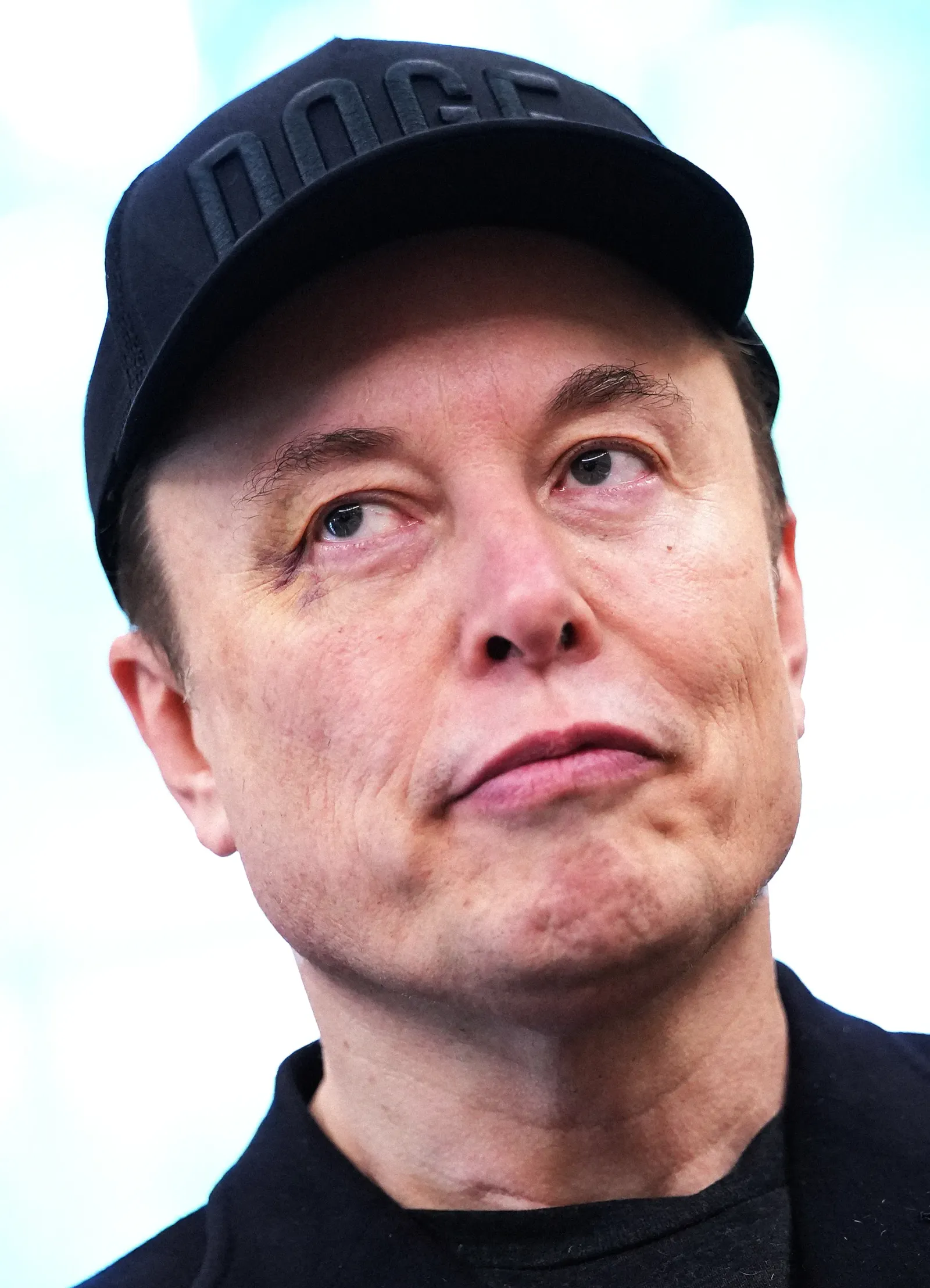
SpaceX is debuting on Nasdaq today, and the company’s launch comes amid criticism of Elon Musk’s near-absolute control. For decision-makers, the immediate question is whether that governance model can survive public-market scrutiny.
SpaceX is debuting on Nasdaq today, and it is arriving with controversy already attached. The core issue is not the rockets or the launch cadence. It is governance. Critics are using the IPO moment to press a specific complaint: Elon Musk’s near-absolute ownership and control. The timing matters because a public debut is when investors, regulators, and the press stop treating governance like a side quest and start treating it like part of the product.
WIRED frames it plainly: the IPO puts Musk’s “extreme” control structure under a spotlight, and it forces a reckoning with how SpaceX has “worked from the start.” That phrase is doing a lot of work. SpaceX did not accidentally accumulate outsized influence at the finish line. Its control dynamics are built into the company’s DNA, and the market is now meeting that DNA with a public-company lens.
To understand why this moment is high-stakes, you have to translate “near-absolute control” into what public investors actually worry about. In private markets, founders with concentrated power can move fast, align decision-making around a single vision, and keep execution tight. In public markets, that same concentration tends to raise uncomfortable questions: What happens when the founder is wrong? How do minority shareholders get protection? How are disagreements handled when formal checks and balances are weaker? The IPO is the point where those questions stop being theoretical and start showing up in investor decks, analyst notes, and regulatory attention.
That is where the board dynamics come in. A private company can justify governance shortcuts as “early stage.” Once you list on Nasdaq, those justifications become harder to defend, even if the company is performing. Directors are expected to demonstrate that oversight exists, that information flows, and that decisions are not purely centralized. In practice, that means boards often have to show they can act independently, even when the founder’s incentives and influence remain dominant.
Regulatory framing is another reason the spotlight is intense. The source notes that the criticism is “a wave” tied to Musk’s control. When public attention is already aligned against a governance structure, regulators do not have to be looking for wrongdoing to increase scrutiny. They can simply be enforcing transparency norms. Public company rules and disclosure expectations create a paper trail. Even if nothing improper happened, the public narrative can pressure management and the board to clarify how decisions are made, how conflicts are managed, and how ownership influence interacts with shareholder rights.
For decision-makers, the second-order implications are not limited to SpaceX. The executives who lead other companies with founder-led control models are watching how the market prices risk. If investors demand concessions or governance changes, that can become a template for future deals. If investors instead look through the control issue because execution is strong, that also matters. It signals that the market can tolerate concentrated power when performance is compelling, at least in the near term. Either way, the IPO becomes a real-world case study in what public markets reward versus punish.
The strategic stake is simple: governance is now part of the competitive landscape. SpaceX might be competing for capital, talent, and partnerships on a global stage. But governance credibility is now competing too. In the public market, capital is cheaper when investor trust is higher and risk is clearer. Conversely, when near-absolute control becomes the headline, the company has to work harder to prove that oversight and accountability match the scale of its ambitions.
This story's Key Insights and Take-aways are locked.
Create a free account to unlock Executive Actions for one credit.
Register to UnlockAlways free for Executives Club members. Join the Club
More in Business

Paramount's Ellison: Merger Clearance Done, WBD Deal by Oct 1
David Ellison says the Paramount-WBD merger has full clearance after settling with state AGs, clearing the path for an October 1 close.
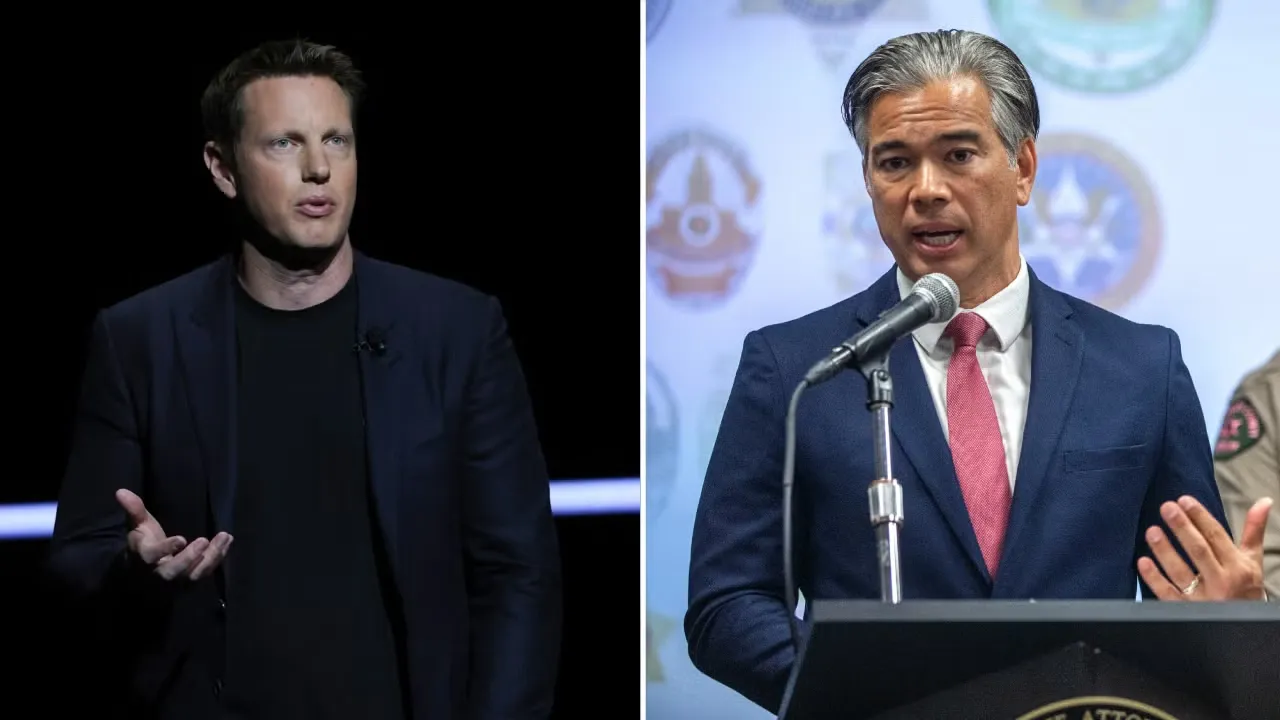
Paramount settles with 12 states, $110B Warner merger clears final hurdle
David Ellison's studio avoids a March trial and a $7M-a-day ticking fee by settling with state AGs over local job losses.

Apple unveils first foldable iPhone Duo with 7.6-inch display under new CEO Ternus
Apple's first foldable, the iPhone Duo, marks a major product bet for new CEO John Ternus, with a 7.6-inch unfolded screen.