

SpaceX says it is worth $1.75tn before its stock market debut
The company set a target price for buyers earlier than expected, giving investors an early read on how public-market demand may shape Elon Musk’s empire.
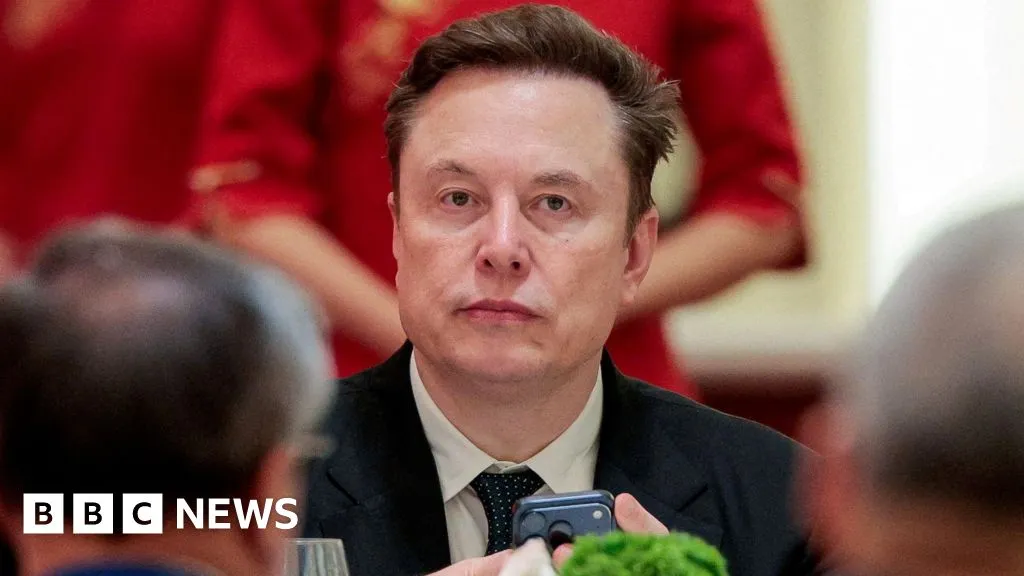
Elon Musk’s SpaceX has said it is worth $1.75tn as it moves closer to a stock market debut and set a target price for buyers earlier than expected. For boards, investors, and rivals, that kind of pre-listing price signal can reset expectations around private valuation, liquidity timing, and how much appetite the market has for the next mega-cap tech story.
SpaceX has put a $1.75tn price tag on itself as it edges toward a stock market debut, and it did so earlier than expected. In plain English: Elon Musk’s space exploration company is already signaling where it thinks buyer interest should land before the company actually hits the public markets. That matters because pre-listing pricing is not just a vanity number. It is a live test of demand, a message to potential investors, and a preview of how much of the company’s value the market is willing to believe in before the first trade even happens.
The detail that should make executives sit up is timing. BBC News reported that SpaceX set a target price for buyers earlier than expected, which means the company is getting out ahead of the usual drumbeat that accompanies a market debut. That early move gives the company more control over the narrative, at least for now. It can shape expectations before public-market investors, analysts, and competitors start pounding on the valuation with their own models. For anyone who builds, backs, or regulates high-growth businesses, this is the familiar but always high-stakes dance of private value meeting public scrutiny.
SpaceX is not just any private company with a big number attached. It is Elon Musk’s space exploration company, and that alone makes every valuation update more than a bookkeeping note. Musk’s businesses have a habit of attracting outsized attention because they sit at the intersection of technology, capital, and ambition. A $1.75tn valuation puts SpaceX in rarefied company and raises the stakes around what happens next in the stock market debut process. If the target price holds, it would shape how buyers think about the company’s growth, its capital needs, and the kind of market it can command once trading begins. If it does not, the gap between private-market confidence and public-market reality can become its own story.
For decision-makers, the important part is not just the headline number but what it implies about market mechanics. A company setting a target price earlier than expected suggests it wants to anchor the conversation before it becomes a free-for-all. In any stock market debut, the first pricing signals are about more than valuation. They help sort serious buyers from tourists, and they can affect how much liquidity, attention, and momentum a company gets when it finally arrives on the public stage. That is why these moves are watched so closely by founders, CFOs, and boards across the market. One company’s pricing posture often becomes the template everyone else studies.
There is also a broader strategic question hiding inside the announcement: what does it mean when a private company this large starts acting like a public-market company before it is one? The answer is usually that the stakes have gotten big enough to demand more discipline around expectations. Public debuts are not just about raising money. They are about credibility, signaling, and control. Once a company like SpaceX starts talking in target prices, it is telling the market that the next chapter is coming into focus. For competitors, that can raise the bar. For investors, it can sharpen the debate over whether the private market has already priced in too much or not enough.
The move also lands in a market environment where high-growth companies are being judged with more restraint than in the easy-money years. That makes any giant valuation especially interesting, because it forces a comparison between what a company says it is worth and what buyers are actually willing to pay. SpaceX’s early price setting gives the market an opening to answer that question sooner rather than later. If the response is strong, it could reinforce the company’s standing as one of the most valuable private firms in the world. If enthusiasm is cooler, the process itself becomes a reminder that even famous founders do not get to skip the laws of market gravity.
For other executives, the lesson is simple: once you start telegraphing a number, you are no longer just talking to insiders. You are negotiating with the market. SpaceX’s $1.75tn valuation and earlier-than-expected target price set the tone for a debut that will be watched well beyond the space industry. Whether you run a startup, a public company, or a board trying to time a financing, the message is the same. At a certain scale, pricing is strategy, and strategy is now happening in public.
This story's Key Insights and Take-aways are locked.
Create a free account to unlock Executive Actions for one credit.
Register to UnlockAlways free for Executives Club members. Join the Club
More in Business

Anthropic’s Levant Alpöge cracks the Jacobian conjecture after 87 years
A Harvard valedictorian used Claude to hit a 1939 breakthrough, but the missing “why” is the real problem.

Uber buys Delivery Hero for nearly $15B, vaulting to top food delivery outside China
The deal doubles Uber's dual-services footprint and pushes a ride-and-eats bundling play into 50 more markets.

Epic and Google drop settlement bid, forcing rival Android app stores by July 22
Google told the court it is ready to carry third-party app stores starting Wednesday, July 22.