

SpaceX sets IPO at $135, selling 555M+ shares and launching trading Friday
Elon Musk's rocket company prices its world-scale IPO at $135 per share, moving into public markets immediately.
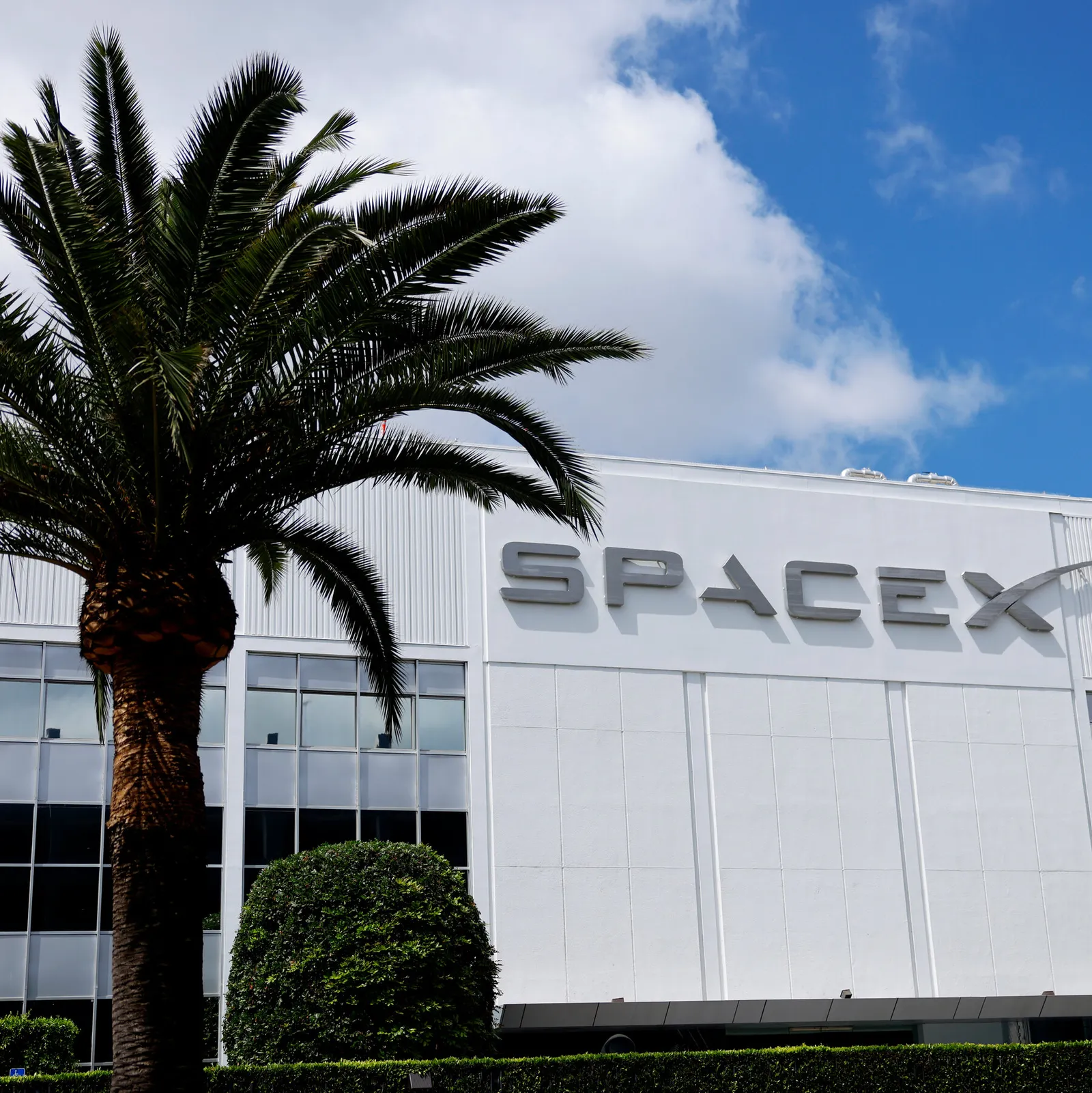
SpaceX said it will sell more than 555 million shares at $135 each in its initial public offering, with trading set to begin on Friday. The pricing locks in a major valuation moment for decision-makers watching how supply, demand, and public-market appetites price space risk.
SpaceX has finalized the price of its initial public offering, landing at $135 per share, and the company plans to sell more than 555 million shares. That is a blockbuster scale decision, not a “small raise and test the waters” move. And importantly for anyone who tracks market timing, the IPO is set to begin trading on Friday.
So what does that $135 actually mean in practical terms? It is the number SpaceX and its underwriting team have reached after balancing what public investors are willing to pay against what the company needs to raise and how the offering will be sized. Once that price is set, the deal effectively moves from planning to execution. For executives and board members, that shift matters because it turns “market interest” into a real, tradable valuation that will be continuously marked by the market from the first day of trading.
Big IPOs like this are less about one day and more about what comes next. When a company sells more than 555 million shares at a single, specific price point, it creates a large public float that can move quickly with sentiment. In other words, this is not just a financing event, it is the beginning of ongoing price discovery for a business that is tied to long-dated timelines, capital intensity, and technology execution.
There is also the board-level reality check. For a private company moving into public markets, pricing is only one milestone. The offering process typically includes regulatory filings and ongoing disclosure obligations that dramatically change how the company communicates. Even though the source here only states the pricing and the expected start of trading, the underlying implication is clear: by stepping into trading on Friday, SpaceX is entering the world where investors expect regular updates, clearer accountability, and a steady stream of information that can affect share performance.
Public markets also bring a different incentive structure. Private-company stakeholders can often think in terms of milestones, product cadence, and eventual long-term outcomes. Public-company stakeholders still care about all of that, but they also live with quarterly reporting rhythms and near-term market expectations. An IPO priced at $135 per share sets an initial reference point that analysts and investors will use to benchmark future performance. If operational progress aligns with investor expectations, the stock may be rewarded for execution. If not, the market can re-rate the story quickly.
The scale in the source matters for another second-order reason: liquidity and ownership dynamics. Selling more than 555 million shares means a lot of shares will be held by new participants in the public market ecosystem, including institutions and other investors who may trade based on a range of time horizons. That can shape volatility in the early days, especially around macro moves, risk appetite, and sector sentiment. For executives at other growth-stage or mission-driven industrial companies, it is a reminder that once you price an IPO, you are inviting the market to “try on” your valuation immediately, and the market will not wait for your internal narrative.
There is also a broader industry implication for anyone comparing fundraising options. Large IPOs can change how investors think about similar assets. If public-market demand is strong at a $135 price for a very large share count, it can make subsequent offerings in adjacent industries look more feasible. Conversely, if there is weaker-than-expected reception, it can raise the bar for pricing discipline elsewhere. In either case, this pricing event becomes a reference point that sophisticated investors will use in their own models when weighing their next allocation decision.
Finally, the decision to begin trading on Friday highlights the immediacy of capital markets. SpaceX is not waiting months to let the story settle. The company is moving straight into the public spotlight at a known price. For decision-makers across sectors, that creates a new benchmark for how long-duration, technology-driven businesses can be valued in public markets, and how quickly investors will react once the tape starts running.
This story's Key Insights and Take-aways are locked.
Create a free account to unlock Executive Actions for one credit.
Register to UnlockAlways free for Executives Club members. Join the Club
More in Business
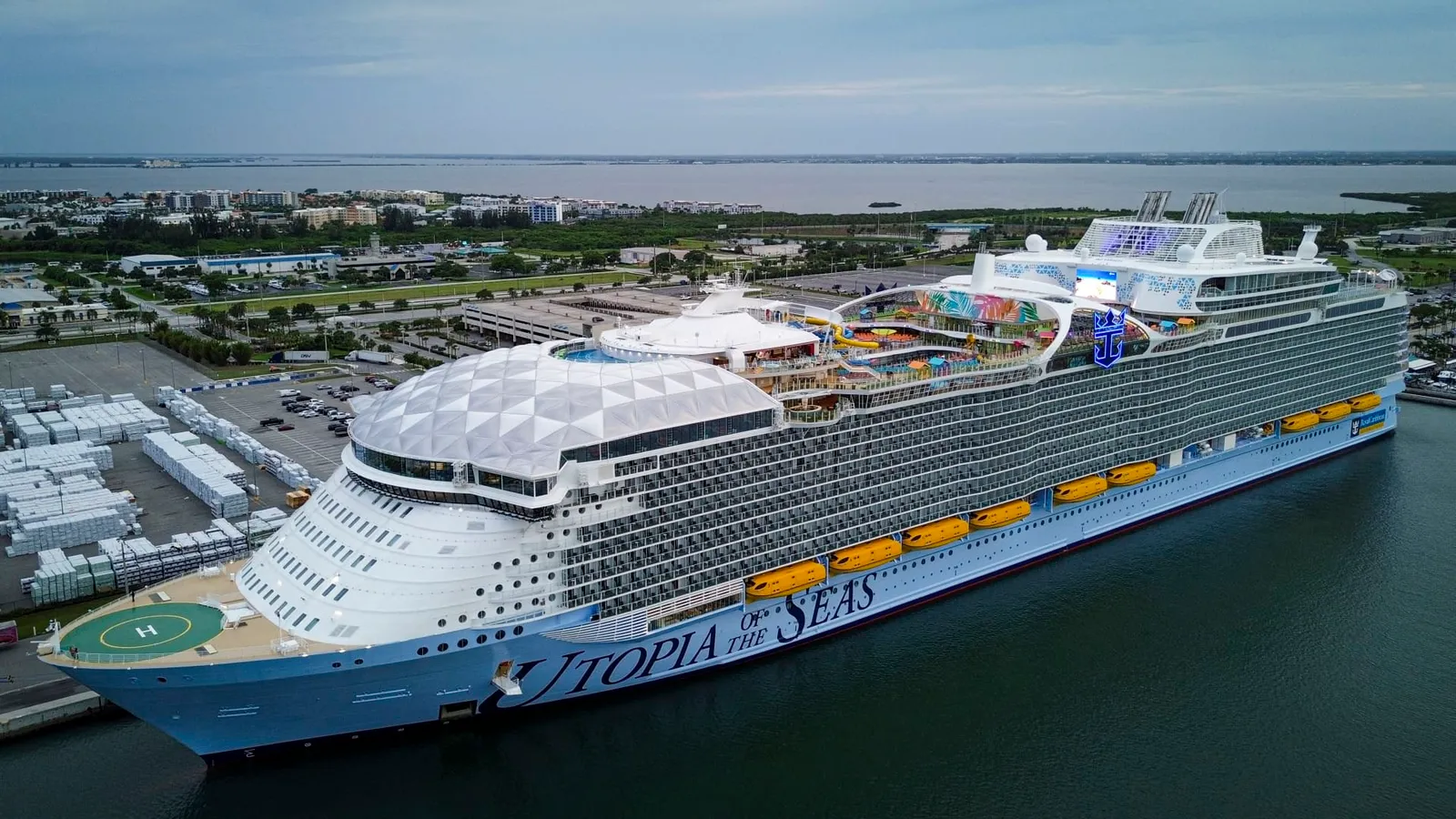
Royal Caribbean just spent $3B to own half of Sandals
The cruise giant is buying a 50% stake in the all-inclusive resort chain for $3 billion, a bet that land-based vacations are the next growth engine.

Paramount's Ellison: Merger Clearance Done, WBD Deal by Oct 1
David Ellison says the Paramount-WBD merger has full clearance after settling with state AGs, clearing the path for an October 1 close.
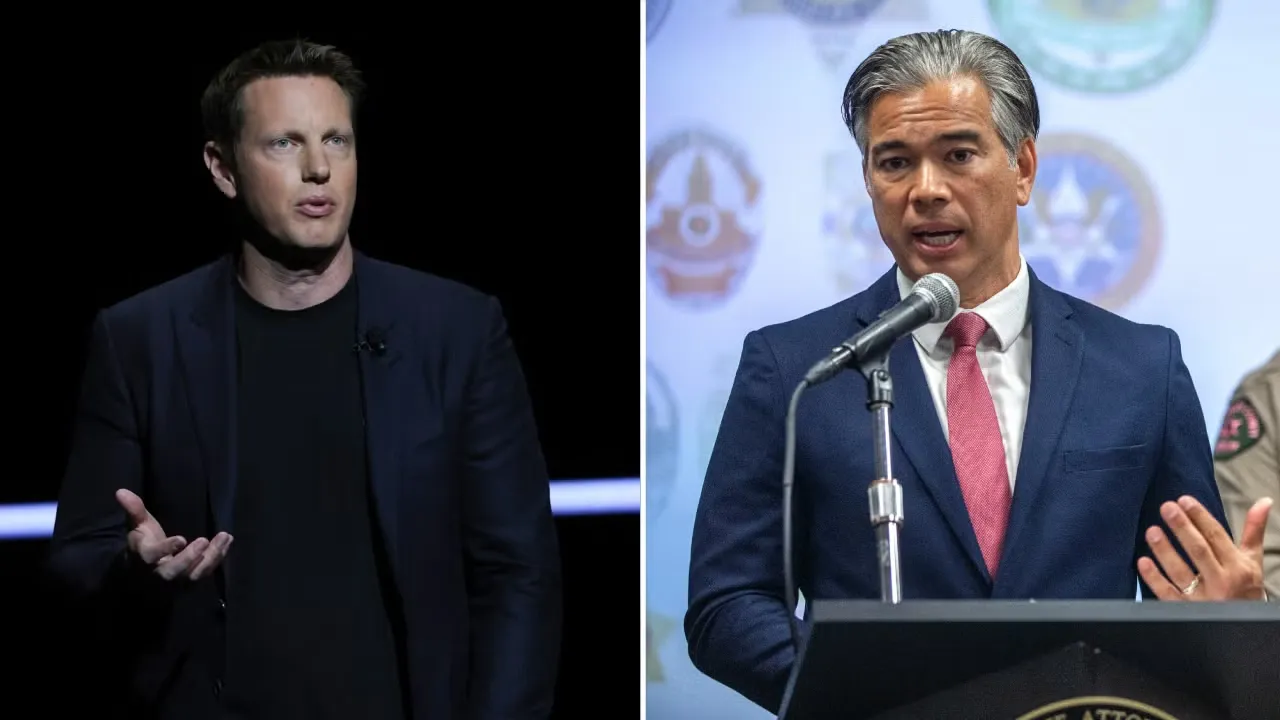
Paramount settles with 12 states, $110B Warner merger clears final hurdle
David Ellison's studio avoids a March trial and a $7M-a-day ticking fee by settling with state AGs over local job losses.