

SpaceX spectrum deal sends Verizon to worst day since 2002
Starlink's push into mobile spectrum is spooking investors, and the sell-off shows how fast the telecom moat is eroding.
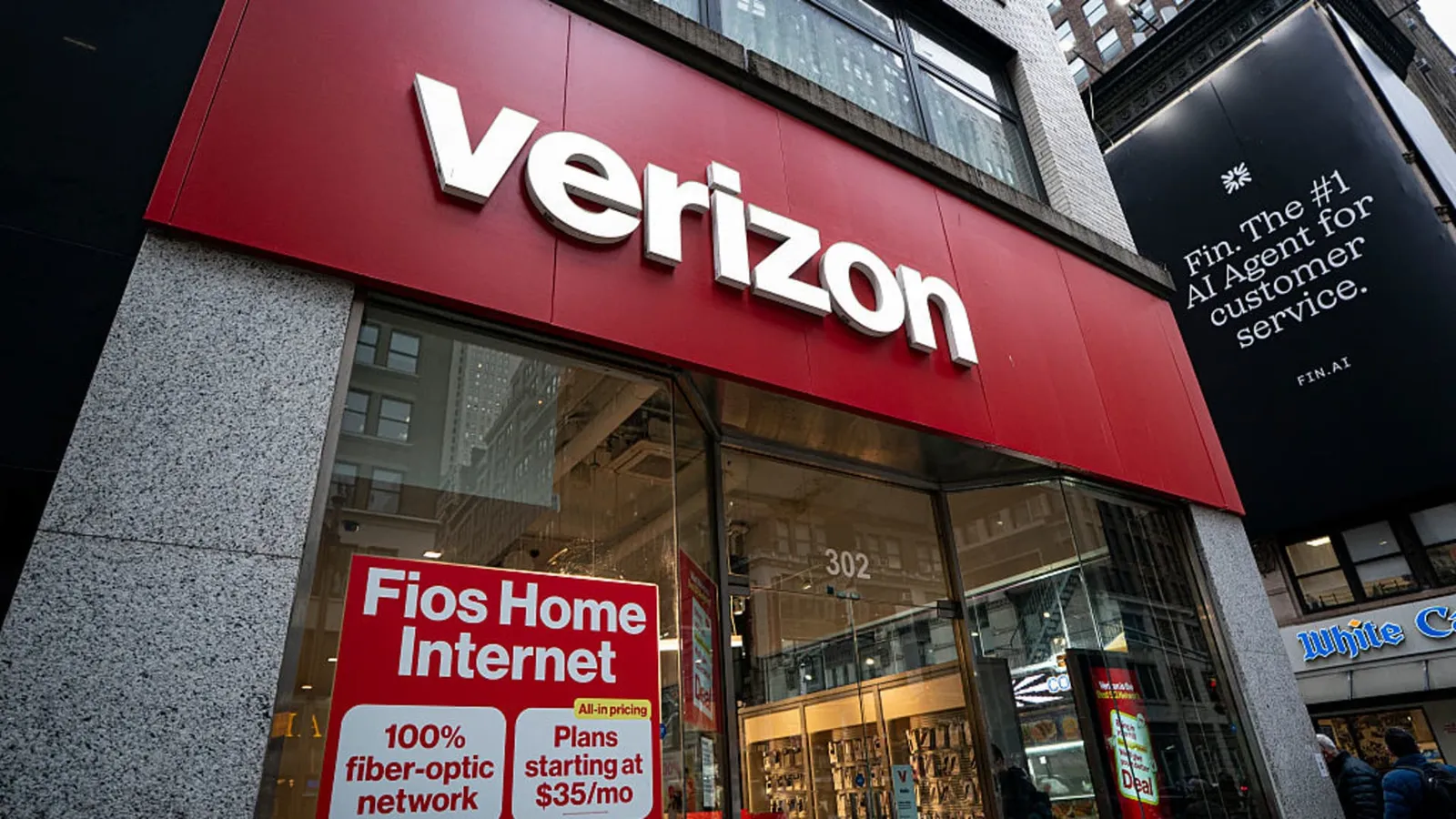
SpaceX announced a spectrum deal Thursday to deepen its telecom push via Starlink, sending Verizon shares toward their worst day since 2002. The market's reaction signals that satellite-to-phone competition is now a credible threat to incumbent carriers.
Verizon stock is heading for its worst day since 2002 after SpaceX announced a spectrum deal Thursday, a move that signals the satellite giant is serious about competing for mobile customers. The sell-off erased billions in market value and dragged other telecom stocks down with it, as investors recalibrated what a Starlink-powered phone service could mean for the industry's pricing power and long-term margins.
The deal itself is about spectrum, the radio frequencies that carry mobile traffic. SpaceX, which operates the Starlink satellite internet constellation, is pushing deeper into the telecom market by securing access to spectrum that could support direct-to-device satellite service. That would let phones connect to satellites in areas where terrestrial towers don't reach, and potentially compete with carriers on coverage and price. The announcement Thursday was brief, but the market read it as a strategic declaration: SpaceX is no longer just an internet provider for rural homes and remote businesses, it is aiming at the heart of the mobile industry.
For context, spectrum is the lifeblood of telecom. Carriers spend tens of billions of dollars at government auctions to license these frequencies, and those licenses underpin their networks, their coverage maps, and their ability to charge premium prices for reliable service. A company like SpaceX entering the spectrum game changes the math. It already has the satellite infrastructure, and adding spectrum rights could let it offer a mobile service without building a single cell tower or laying a mile of fiber. That is a fundamentally different cost structure, and it threatens the capital-intensive model that has defined wireless for decades.
The market reaction was swift and severe. Verizon shares were on pace for their worst session since 2002, a stark reminder that investors see real risk in the competitive landscape. Other telcos also fell, reflecting a sector-wide concern that satellite-to-phone services could erode subscriber growth and pricing power, the two pillars that have made wireless a steady, high-margin business. The fact that a single announcement could trigger such a dramatic sell-off suggests the market had been underestimating the speed at which satellite connectivity could become a mainstream alternative.
Regulatory questions loom large. Spectrum is tightly controlled by national regulators, and any deal involving satellite and terrestrial use typically requires approval. Historically, satellite communications and mobile networks have operated in separate lanes, with different rules, different licensing regimes, and different business models. But the lines are blurring as companies like SpaceX push toward hybrid networks that combine space and ground infrastructure. The outcome of those regulatory reviews will shape how quickly this threat materializes, and whether incumbents can slow it down through policy channels.
For telecom executives, the takeaway is that the competitive moat is no longer just about towers and spectrum licenses. It is also about speed of innovation and willingness to partner. Some carriers have already struck their own satellite deals, but Thursday's sell-off suggests the market believes the disruption is coming faster than previously priced in. Boards should be asking whether their companies are prepared for a world where coverage is a commodity and the differentiator is software, user experience, and integration with existing devices.
The broader lesson for decision-makers across industries is that capital-intensive, regulated markets are not immune to tech-driven entry. SpaceX has a history of using vertical integration and aggressive pricing to reshape industries, from launch to satellite internet. Applying that playbook to mobile could force incumbents to respond with their own strategic moves, whether that means acquisitions, partnerships, or regulatory advocacy. The companies that wait for the threat to become obvious may find themselves reacting from a position of weakness.
For now, the immediate stakes are clear: Verizon is facing its worst trading day in more than two decades, and the cause is a single announcement from a company that didn't exist as a telecom player a few years ago. The spectrum deal is a reminder that in the modern economy, the biggest threats often come from outside the industry map. Executives who ignore those signals risk being the next headline.
This story's Key Insights and Take-aways are locked.
Create a free account to unlock Executive Actions for one credit.
Register to UnlockAlways free for Executives Club members. Join the Club
More in Business

Elon Musk unveils a flying car, and SpaceX helped build it
The Tesla CEO's showcase at a SpaceX facility signals a future where road and rocket engineering converge.

Apple's $2,000 iPhone Duo opens preorders, taking on Samsung and Google
Apple's first foldable hits the market at a premium price, reshaping a category Samsung and Google have led.

Pope Leo XIV, first American pope, diagnosed with lung cancer
The 71-year-old Chicago-born pontiff underwent successful surgery on his right lung, and his diagnosis raises new questions about his AI-focused papacy and the Vatican's future.