
SpaceX stock closes at $161.11 after $2.1T debut valuation shatters expectations
The IPO priced at $135, surged on Nasdaq and Texas, and immediately rewired how executives think about mega-debuts.
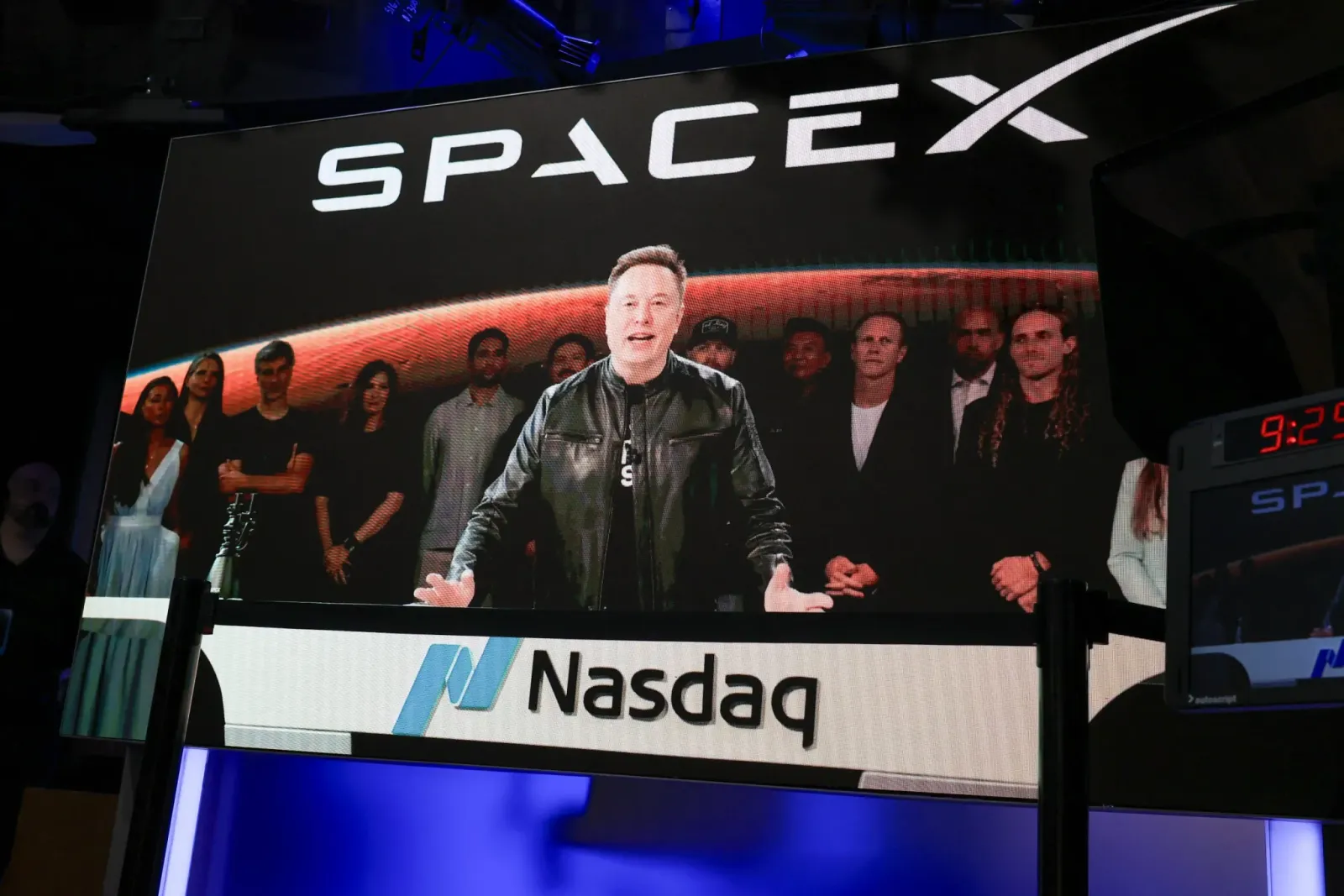
Elon Musk’s SpaceX went public on Nasdaq Global Select Market and Nasdaq Texas under ticker SPCX, opening just above $150 and closing at $161.11 after a record first day. The $2.1 trillion valuation, alongside index and order-flow mechanics, turns the IPO playbook into a near-term board agenda item.
SpaceX’s long-awaited IPO finally landed on Friday, and the stock ended the day at $161.11. That close caps a first session that began just above $150 a share (up 11.11% from the $135 IPO price) and climbed sharply as trading accelerated, with the valuation vaulting to $2.1 trillion. In other words, the market didn't just show up. It booked the event like a referendum on what “public” means for billion-dollar rocket, satellite, and AI ambitions.
The numbers that mattered were loud, fast, and specific. Trading turnover exceeded $11.4 billion at the open. By noon Friday the shares were hovering between $162 and $165, and by 1PM they soared to $175, up nearly 30% from the target price, before settling above $169. An hour later, SpaceX traded more than 360 million shares, about 10 times the total volume that 2026’s second-largest IPO, Cerebras, logged in its first day. Near the close, the stock stayed steady at just over $162 with more than 172 million shares traded on Nasdaq alone, topping a record previously held by Nokia. The market’s verdict: nearly 20% up on the day of its debut on the Nasdaq.
Under the hood, there was also a mechanical twist that executives and investors should note. The official trading start was delayed due to intense order matching activity. Investors who refreshed brokerage accounts on Friday morning saw that SPCX was public, but no trades appeared at first. That’s a reminder that IPOs are not only “pricing stories.” They are liquidity, routing, and microstructure stories. When demand floods in, the market can take its own time turning interest into executed trades.
Before the opening bell, SpaceX had already made its case to the world through the people it sent to Nasdaq and the moment it chose. CEO Elon Musk addressed Nasdaq in Texas and told employees at SpaceX’s Starbase location that SpaceX wants to “be able to take you to the moon,” adding that with the team there, they will do that. He also shared a blunt early skepticism, saying he gave SpaceX less than a 10% chance of succeeding at all. On the Nasdaq stage, SpaceX CEO Gwynne Shotwell rang the opening bell with SpaceX employees wearing green shoes, a nod to the IPO’s “greenshoe” overallotment option, which underwriters use to sell additional shares to help stabilize trading when demand runs hotter than expected.
Those mechanics connect directly to the IPO’s financial setup. The offering priced Thursday afternoon, announced in a free-writing prospectus filed with the SEC just after 3 p.m. ET while markets were still open. The price was $135 a share for 555.6 million shares, raising the $75 billion the company targeted and valuing it at $1.77 trillion. Underwriters then held a 30-day option to purchase up to 83.3 million additional shares, which would lift the total raise to $86.25 billion. The scale is what makes the day feel like a category error in the best way: this was the largest IPO in stock market history by the raise amount, nearly triple the previous record set by Saudi Aramco in December 2019.
Now zoom out to what that valuation implies for governance and capital strategy. At the IPO price, SpaceX’s $1.77 trillion tag already placed it as the sixth-most valuable company in the U.S. and seventh-most worldwide, ahead of Meta and Tesla. And while those comparables tend to be profitability-first narratives, this one comes with accounting reality checks. SpaceX reported a $4.9 billion net loss in 2025 on $18.7 billion in revenue, with most revenue tied to Starlink. At the IPO price, investors were paying roughly 94 times trailing revenue, and the combined entity with xAI had an accumulated deficit of $41.3 billion. For executives at other high-expectation, long-horizon companies, that matters because it challenges the usual “public markets reward earnings” playbook.
Index inclusion is the second-order lever that could keep the stock in focus even after day one. Don’t expect it in the S&P 500 right away, because the benchmark requires sustained profitability, which SpaceX doesn’t have. But a Nasdaq rule change that took effect in May allows megacap debuts to join the Nasdaq-100 in as little as 15 trading days instead of the usual three months. FTSE Russell and other index providers have agreed to fast-track inclusion as well. That means passive retirement and pension money could soon hold SpaceX, whether savers chose it or not. If you run a company in this tier, that’s a governance question as much as an investment question: what your trading float can handle, how fast sentiment can compound, and how quickly “public ownership” can become automatic.
Finally, the human response tells you this won't be treated as a normal IPO narrative. Supporters showed up outside Nasdaq in astronaut costumes, while protesters outside JPMorgan Chase headquarters chanted “shame, shame, shame.” Politicians weighed in too: Sen. Bernie Sanders called it an “absurdity” and argued that a trillionaire should not face the same tax treatment as someone making less than $200,000 a year, while Sen. Elizabeth Warren said the typical American household would have to work more than 11 million years to make Musk’s level of wealth. For executives, that backdrop is not just culture war noise. It is a reminder that capital-market milestones create political pressure, and political pressure can become regulatory change.
SpaceX’s debut is now a live case study for anyone on a board or in an investor relations seat: how order matching behaves at launch, how index mechanics can accelerate ownership, and how investors price moonshots before profitability arrives. Tomorrow's companies won’t copy SpaceX’s rocket science, but they will copy the attention pattern. And attention, once it’s priced, is harder to unprice.
This story's Key Insights and Take-aways are locked.
Create a free account to unlock Executive Actions for one credit.
Register to UnlockAlways free for Executives Club members. Join the Club
More in Business
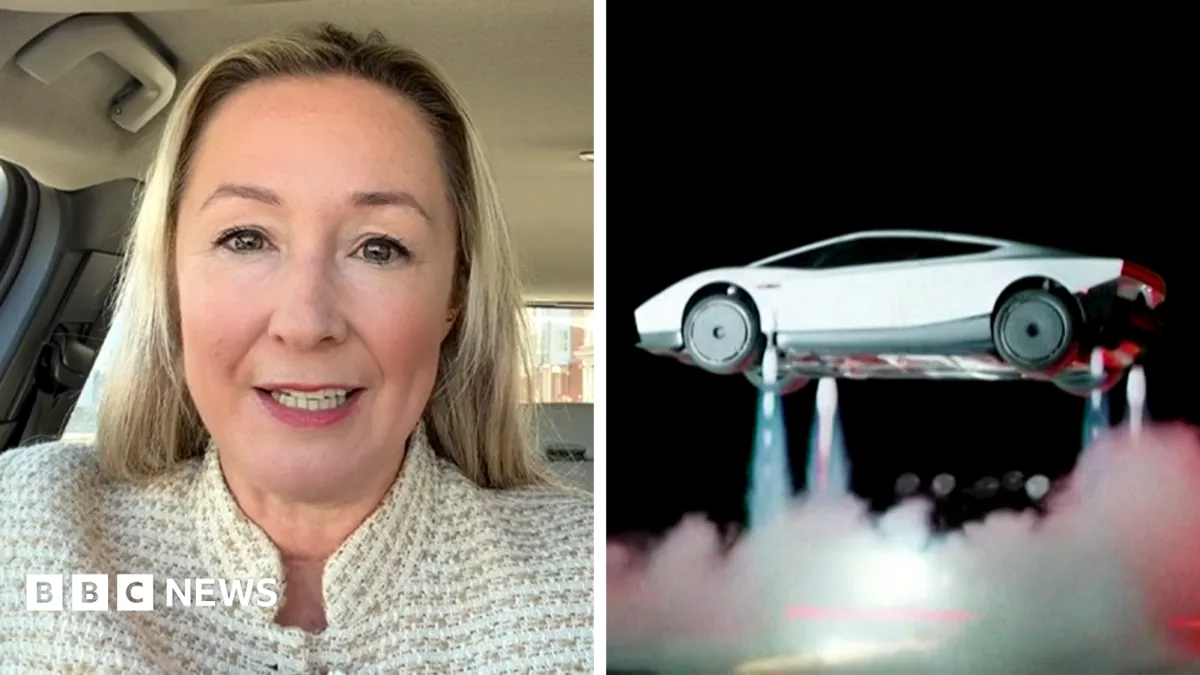
Elon Musk unveils a flying car, and SpaceX helped build it
The Tesla CEO's showcase at a SpaceX facility signals a future where road and rocket engineering converge.

Apple's $2,000 iPhone Duo opens preorders, taking on Samsung and Google
Apple's first foldable hits the market at a premium price, reshaping a category Samsung and Google have led.

Pope Leo XIV, first American pope, diagnosed with lung cancer
The 71-year-old Chicago-born pontiff underwent successful surgery on his right lung, and his diagnosis raises new questions about his AI-focused papacy and the Vatican's future.