

Spider-Man: No Way Home outgrossed every 2021 movie, raising the bar for MCU’s next pivot
The 2021 box office sweep makes Spider-Man: Brand New Day’s target bigger than ever, for studios watching the ceiling move.
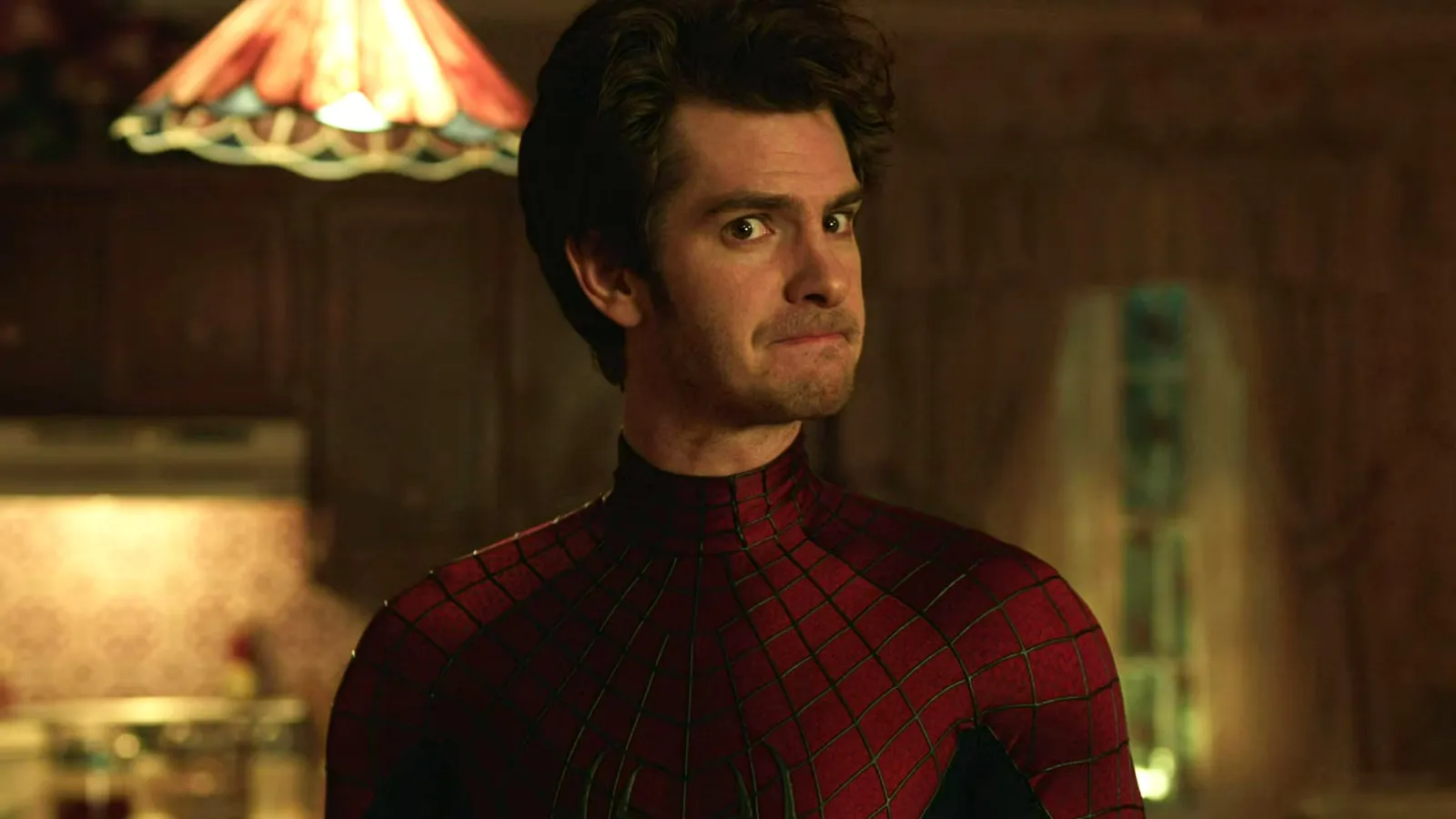
ScreenRant looks at how Spider-Man: No Way Home’s box office results made it outpace every other 2021 movie. The consequence is a new, higher benchmark for what “brand new” can be expected to deliver at the box office.
Spider-Man: No Way Home didn’t just do well in 2021. It beat every other movie released that year, and that single result keeps getting bigger when you zoom out at what it signals for the MCU’s next era, including Spider-Man: Brand New Day.
That matters because 2021 was not a quiet, throwaway year for theatrical performance. The MCU has spent years building a fiscal empire, and No Way Home’s ability to outrun every other 2021 release doesn’t just add another win to the scoreboard. It effectively redraws the expectations line for “standard success,” at least for brands and studios trying to plan what kind of theatrical impact they can count on.
ScreenRant frames the scale of the moment in a way that’s hard to shrug off. Saying the MCU has had major box office successes is, frankly, stating the obvious, like “grass is green or water is wet.” The interesting part is not that the franchise prints money. It is that No Way Home’s results make the shoes ahead feel even larger. When one installment pulls a yearwide dominance, the market starts treating it as a reference case. The next films, especially those tied to characters with massive existing audiences, are judged against that ceiling even if the sequel’s creative goals, release timing, and competitive environment are different.
For executives, this kind of outcome changes how internal teams speak to each other. Box office is not only a revenue number. It becomes a negotiation artifact. Marketing budgets, talent deals, release date commitments, and even how much risk a studio is willing to take on format, tone, or character focus can all get anchored to what happened last. No Way Home outpacing every other 2021 movie creates a “must clear” benchmark that makes planning harder for future MCU-adjacent projects.
There is also a second-order effect that often gets missed: the result reframes what audiences decide to show up for. In blockbuster cinema, demand is partly cultural and partly logistical. When a film demonstrates that a wide audience will turn out, the industry stops assuming theatrical is just for the hardcore and starts treating theaters again as a mass behavior. That can push more stakeholders into the same lane, because the incentives line up around replicating what already worked.
From a market context angle, 2021 itself is important because it was still shaped by the broader turbulence the industry experienced in prior years. Even without naming specific regulatory details, the bigger point is that film releases do not happen in a vacuum. External constraints and shifts in consumer behavior alter how quickly theatrical can recover and how audiences allocate their discretionary entertainment spend. In that environment, a film that overwhelms the full field of releases becomes more than a hit. It is a proof point that the theatrical funnel can still support top-of-funnel mass attention, not just niche fandom.
Now zoom to the strategic stakes ScreenRant points toward: what Spider-Man: Brand New Day has to step into. The franchise has already shown it can deliver huge results, and No Way Home made it impossible to ignore the scale. Brand New Day does not just have to be “good” in a vacuum. It has to perform in a world where executives, boards, and partners will remember that one movie beat every other release from the same year.
In plain terms: a higher benchmark increases scrutiny. It compresses the tolerance for underperformance. It also increases the pressure to align creative, distribution, and marketing around factors that drive wide turnout. For any decision-maker in media, the headline lesson is simple. When one blockbuster raises the market’s reference point, the next project is evaluated through that brighter light. You can still win without matching the peak, but the bar for “disappointing” gets sharper, faster.
That is why No Way Home’s dominance is so consequential. It is not only about one film’s box office take. It is about how that result propagates through expectations, incentives, and internal decision-making across the industry, setting the stakes for whatever the MCU and Spider-Man brand do next.
This story's Key Insights and Take-aways are locked.
Create a free account to unlock Executive Actions for one credit.
Register to UnlockAlways free for Executives Club members. Join the Club
More in Entertainment

Russell Brand's accuser 'bewildered and confused' as he denies 7 sex charges
The criminal case against the comedian is a live test of how media companies manage talent risk when serious allegations go public.

'It's a Magic Trick': Ballet Experts Say Rosalía's SNL Pose Is Impossible
Three ballet experts tell Rolling Stone Rosalía's gravity-defying SNL stillness shouldn't be possible - and why the debate is now part of the show.

Activision CMO: GTA 6 Will Boost Call of Duty, Not Bury It
Activision's top marketer says Rockstar's blockbuster will drive players back to consoles and into Modern Warfare 4, even as the company admits its recent strategy failed.