
Splatoon’s 800,000 Japan players proved Nintendo’s online gamble could actually stick
A console in decline, a new online shooter genre, and a steady stream of reasons to log in kept players hungry.
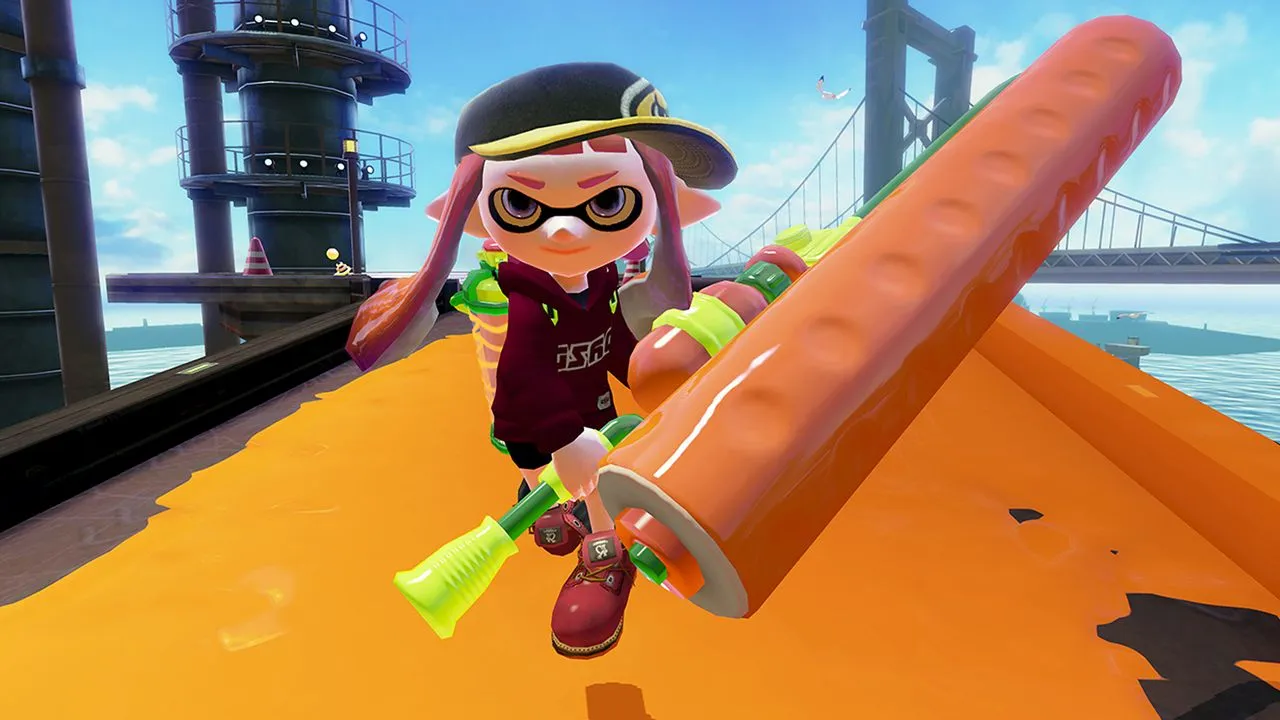
Splatoon launched in May 2015 as Nintendo’s online-focused multiplayer gamble on the Wii U, then measured itself against hard adoption and retention signals. For decision-makers, the takeaway is how Nintendo engineered scarcity, spectacle, and new content to make an online shooter survive its harshest test: time.
Splatoon was the kind of project that makes investors twitch and fans raise an eyebrow: Nintendo betting on an online shooter in a genre it had little to no experience with, on an ailing Wii U, with an approach built for “keep playing,” not “finish and move on.” The numbers in Japan, specifically the 13th Japanese Splatfest, are the moment the gamble stops being theoretical. Almost 800,000 players took part, more than half the installed base. That is a retention signal most launches never see, and it matters because Nintendo’s real acid test was always what happened after the opening weeks.
Nintendo had already posted early signs of success. Its financial results, published in April, showed Splatoon had sold to more than one in three Wii U owners. But a singleplayer component, slender as it was, could not carry the evaluation. This was primarily an online game, so it couldn’t be judged quickly. The months to come had to prove that the community would stay engaged long enough for the game’s design to compound. And they did, with Splatfest participation rising, particularly in Japan.
So what did Nintendo do to keep players coming back? First, it made the early experience easy to understand and hard to overthink. At launch, the ranked structure looked “miserly” by shooter standards: five maps and one game type, Turf War, available on day one. Other modes arrived later. Splat Zones unlocked once enough players reached level ten, which was achieved just two days after launch. Tower Control followed, a tug-of-war style mode where each team tries to push a moveable structure deeper into the other side. Rainmaker came last, and while it echoed Tower Control’s back-and-forth, it functioned like a running play, with a weaponized football in gridiron terms.
Under the hood, accessibility was the strategy. Each mode was designed to be understood with minimal instruction, helped by the overhead map on the GamePad screen so you instantly know where your attention should go. That matters because online shooters often lose players through friction, not because the gameplay is bad. Splatoon did not try to be everything at once. It focused on clarity, then built momentum.
Next, Nintendo controlled content and pacing with the discipline of a company thinking about downtime, not just marketing beats. The number of stages grew steadily from five to 16 across eight months. New maps brought variety that stayed grounded in the game’s core identity. Moray Towers turned into a snipers’ haven. Port Mackerel’s multi-laned layout encouraged MOBA-like incursions. Flounder Heights added verticality via an apartment complex. Kelp Dome expanded the scale, and Mahi Mahi Resort even changed over time, with its receding water level. Later maps introduced more unique features like Piranha Pit’s conveyors, Museum D’Alfonsino’s rotating platforms, and Ancho-V Games, a level set inside the studio of a fictional game developer where fan-propelled platforms appear. These “gimmicks” were sometimes debatable in the source’s telling, but the big operational point is hard to argue with: Nintendo got players 11 maps over eight months without extra outlay.
Then came the customization treadmill, which is how you keep a community feeling ownership. Nintendo kept adding new wardrobe options and new weapon types. The source lists everything from gatling guns to buckets and bamboo pipes, all giving players ways to tailor loadouts to different playstyles.
But the retention engine was not only maps and gear. It was the rhythm of social events, especially Splatfests. Post-launch support is common in games, but for Nintendo, with a relatively poor reputation in online gaming and little experience managing the expectations of an online shooter community, the bar was higher. Splatoon delivered free extra content, and Splatfests were the centerpiece. Nintendo built a tangible sense of ceremony around these tri-weekly events, encouraging “swear fealty” to your chosen side. Upcoming events were communicated through online channels and inside the game. In the days before each Splatfest, the plaza hub filled with other players wearing team colors. On the day itself, night fell, Miiverse posts appeared as flashy banners, and the Squid Sisters performed on stages beside the lobby, after which matches began under darkened skies.
This is where the corporate chessboard matters. Nintendo used spectacle to turn logins into rituals. It also used scarcity, indirectly, to protect queue times and avoid the “stale map cycle” that haunts many online shooters. The rotation system meant players did not see the entire catalog constantly. Even though only two maps were available in each game mode at any time, and ranked matches were limited to a specific game mode, that actually played to Splatoon’s strengths. With a comparatively small installed base, restrictions helped keep waits short. Even later, it “rarely” took more than a minute from launching Splatoon to entering a match. And when players were stuck in lobbies, they had simple GamePad minigames to keep them busy.
Finally, Nintendo refreshed maps every four hours, helping avoid the situation where a handful of maps dominate voting. That refresh cadence reinforced the idea that “if you dip out, you might miss something,” which pairs nicely with a console generation where players might not want to commit to marathon sessions. The source notes Nintendo likely did not expect long play sessions, highlighted by co-director Tsubasa Sakaguchi’s surprise at how quickly players hit an early level cap of 20, before it was raised to 50 three months after launch with ranking up dependent on wins.
Zoom out and the strategic stake becomes clear. Splatoon’s design addressed the exact fear behind Nintendo’s online gamble: that online shooters require continual engagement, and engagement can collapse fast if matchmaking, content cadence, or community rituals fail. Nintendo turned those risks into a system: clarity up front, structured mode unlocks, frequent content additions, a cultural event loop with Splatfests, and operational tuning to keep queues and voting from getting stale. For other boards and operators deciding whether to bet on a hard-to-sustain online experience, Splatoon’s 800,000-plus participation at a single event shows what “sticking the landing” can look like, even when the console and genre odds are stacked against you.
This story's Key Insights and Take-aways are locked.
Create a free account to unlock Executive Actions for one credit.
Register to UnlockAlways free for Executives Club members. Join the Club
More in Entertainment

'It's a Magic Trick': Ballet Experts Say Rosalía's SNL Pose Is Impossible
Three ballet experts tell Rolling Stone Rosalía's gravity-defying SNL stillness shouldn't be possible - and why the debate is now part of the show.

Activision CMO: GTA 6 Will Boost Call of Duty, Not Bury It
Activision's top marketer says Rockstar's blockbuster will drive players back to consoles and into Modern Warfare 4, even as the company admits its recent strategy failed.

Justice to Score GTA 6, Share New Song with Tame Impala, SZA, King Gizzard
Rockstar taps the French duo for the GTA VI score, and the first taste is a genre-melting collab with Tame Impala, SZA, and King Gizzard & The Lizard Wizard.