

Sri Lanka's tea wealth hides a bitter inequality crisis
The island's signature export generates billions, but the pickers who make it possible are being left behind.
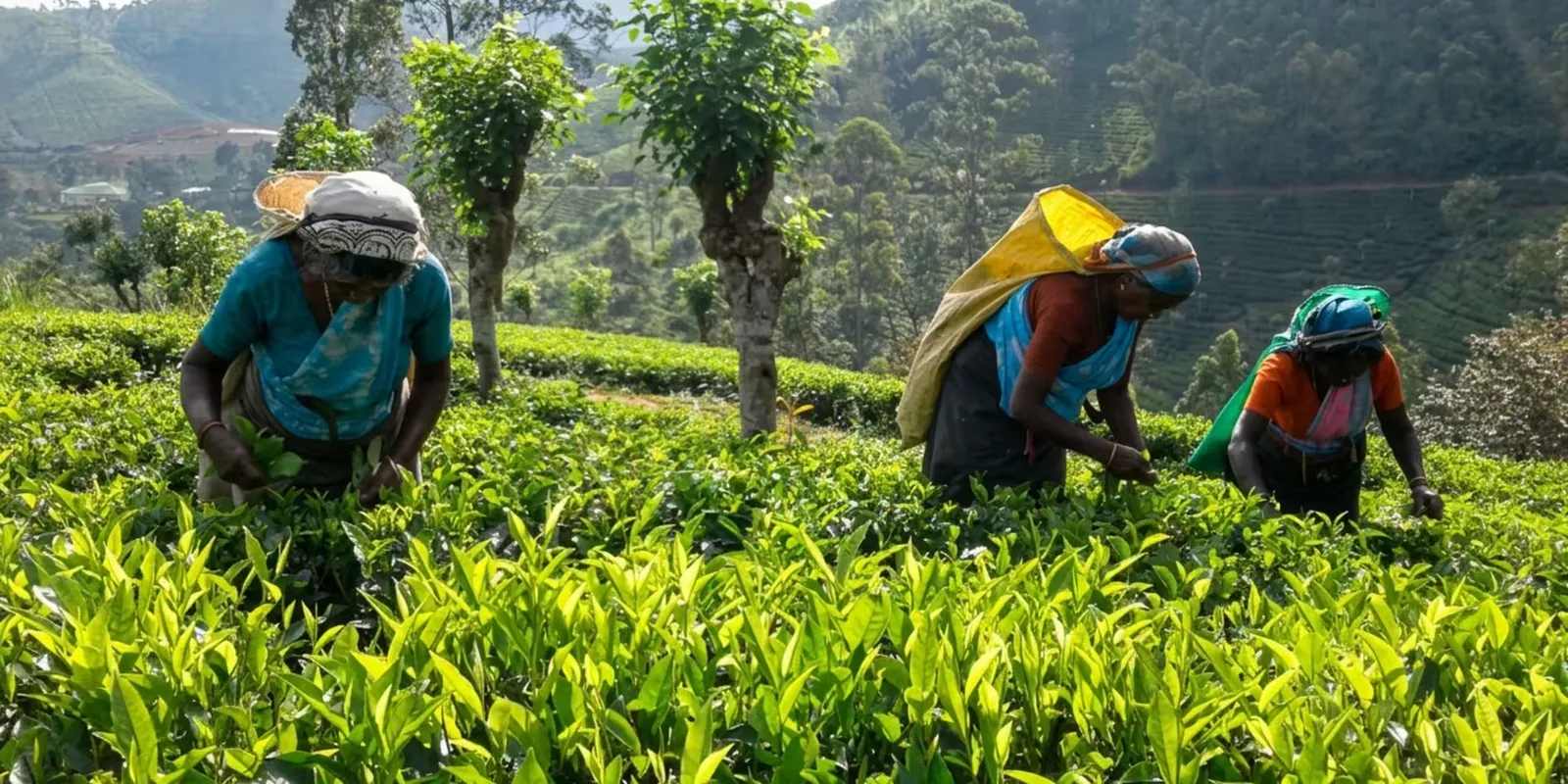
Sri Lanka's Ceylon tea industry, a cornerstone of the economy, is deepening inequality as profits flow to estates while workers face stagnant wages and poor conditions. This disparity threatens the sector's long-term sustainability and social stability.
Sri Lanka's rolling tea estates produce some of the world's most prized leaves, yet the industry that fuels the nation's export earnings is quietly tearing at its social fabric. While Ceylon tea commands premium prices on global markets, the thousands of Tamil women who pluck the leaves daily are trapped in a cycle of low pay, inadequate housing, and limited opportunity. The gap between the wealth generated and the lives of those who generate it has become a defining feature of the sector, raising urgent questions about who truly benefits from this iconic crop.
At the heart of the problem is a wage structure that has failed to keep pace with the cost of living. Estate workers, predominantly women from the plantation Tamil community, earn daily wages that are often below the official poverty line, forcing families to rely on multiple income sources just to survive. Despite decades of union bargaining and government intervention, real wages have stagnated while the price of food, fuel, and healthcare has climbed. The result is a workforce that is physically exhausted, increasingly malnourished, and demoralized, with many young people refusing to follow their parents into the fields, creating a looming labor shortage.
Beyond the visible poverty, there are unseen costs that the industry has long externalized. The intensive cultivation of tea on steep slopes has led to severe soil erosion, deforestation, and the overuse of agrochemicals, contaminating water sources and degrading the very land that sustains production. Workers exposed to these chemicals suffer from chronic health issues, including respiratory problems and skin diseases, yet they have little access to affordable medical care. The environmental damage also threatens the long-term viability of tea cultivation, as changing rainfall patterns and rising temperatures are already reducing yields in some regions, putting the industry's future at risk.
The economic pressures on Sri Lanka's tea sector are intensifying. Global competition from Kenya, India, and Vietnam has driven down prices, while rising production costs and a series of national economic crises have squeezed margins. In response, estate owners have sought to cut costs, often by reducing labor benefits, delaying wage increases, and investing in mechanization that could displace workers. The government, meanwhile, has struggled to balance its role as a regulator and promoter of the industry, with policies that sometimes favor large estates over smallholders, who now produce a significant share of the country's tea but receive a fraction of the value chain's profits.
Efforts to address the inequality have been piecemeal. Some international buyers have introduced certification schemes like Fair Trade and Rainforest Alliance, which promise better prices and premiums for social projects, but these cover only a small fraction of Sri Lanka's tea production. The government has periodically raised minimum wages, but enforcement is weak, and many workers are unaware of their rights. Trade unions, historically powerful in the plantation sector, have seen their influence wane as the industry fragments and informal labor arrangements grow. Without a comprehensive strategy that tackles wages, working conditions, and environmental sustainability, the cycle of inequality is likely to persist.
The consequences of inaction are stark. A disenfranchised workforce could lead to more frequent strikes, social unrest, and a further decline in productivity, undermining the industry's competitiveness. At the same time, the environmental degradation could make large swaths of tea land unproductive, forcing the country to import tea or shift to other crops. For Sri Lanka, which relies on tea for over a billion dollars in annual export revenue and employs over a million people directly and indirectly, the stakes could not be higher. The industry must confront its hidden costs and invest in its people and land, or risk losing the very foundation of its global reputation.
Some stakeholders are beginning to recognize the urgency. A few progressive estates are experimenting with agroecological practices, worker profit-sharing, and improved housing, showing that a more equitable model is possible. But these initiatives remain isolated and underfunded. What is needed is a systemic shift, driven by government policy, industry leadership, and consumer pressure, that treats workers as partners rather than inputs. The future of Ceylon tea depends not on the quality of the leaf alone, but on the dignity of the hands that pick it. Without that, the brew will remain bitter for all.
This story's Key Insights and Take-aways are locked.
Create a free account to unlock Executive Actions for one credit.
Register to UnlockAlways free for Executives Club members. Join the Club
More in Business

Tim Cook steps down as Apple CEO, stays on as chair with $45M equity
The 'Trump whisperer' keeps his White House and Beijing access as Apple navigates tariffs and a $4.6 trillion market cap.

Snowflake shares surge as AI data demand crushes estimates, lifting full-year forecast
Stocks jumped on stronger-than-expected guidance, signaling enterprise AI workloads are accelerating faster than Wall Street priced in.

Tim Cook's 15-year Apple CEO run ends: 3 lessons for any successor
After 15 years, Tim Cook hands Apple to John Ternus - here's how he turned a $350B company into a $4.6T juggernaut.