

Star Trek’s Space Hunt launches August 2026, rekindling Kirk, Spock, Picard, Data
A new Star Trek release hits August 2026, and it brings back the franchise's biggest faces, on screen and in culture.
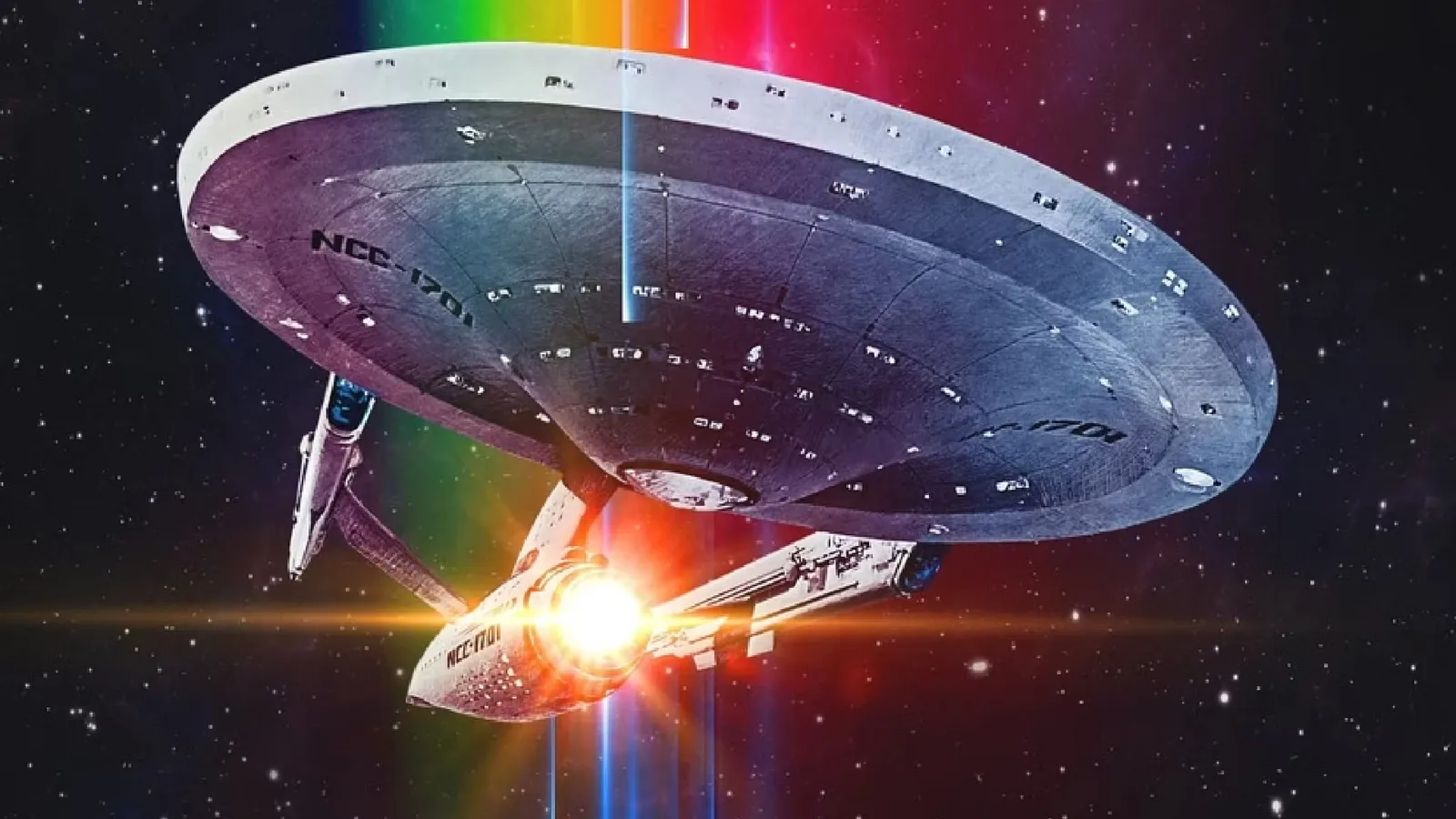
Star Trek officially returns in August with Space Hunt, an epic new release that brings back Captain Kirk, Spock, Picard, Data, and more. For decision-makers, the move signals how major IP brands are planning their next franchise phase and audience reactivation cycle.
Star Trek officially returns in August with Space Hunt, and the pitch is not subtle. The release brings back Captain Kirk, Spock, Jean-Luc Picard, Data, and more, aiming directly at the core characters that have defined the franchise across decades. For longtime fans, this is the kind of announcement that lands like a lightspeed jump. For executives watching entertainment platforms and IP strategies, it is a reminder that the biggest franchises are not just surviving. They are sequencing their comebacks.
The headline date matters too, because August 2026 is far enough out to signal planning, but close enough that studios and partners can align budgets, marketing calendars, and distribution schedules. In a media environment where attention is expensive and algorithms decide what gets surfaced, Star Trek choosing a clear return moment suggests a classic, high-control play: use recognizability to reduce discovery risk. When you already have Captain Kirk and Spock in the marketing story, you do not need to convince the public that the franchise exists. You need to convince them that the next chapter is worth their time.
To understand why that is strategically significant, zoom out at what Star Trek has become since debuting with The Original Series in 1966. Over time, it evolved from a cult science fiction show into one of the most influential multimedia franchises in entertainment history. The franchise expanded through television, blockbuster films, novels, comics, and video games. That is important because it reflects how Star Trek is not a single product. It is a recurring IP ecosystem. Space Hunt is essentially the next orchestrated entry point into that ecosystem, and the big character returns are the easiest bridge back to the center.
There is also an incentive structure hiding behind the fandom. Major IP owners generally face the same equation: long-term brand equity is valuable, but it has to be converted into near-term engagement. With Space Hunt, the conversion method is clear. Instead of leaning only on new faces, it leans on iconic anchors like Captain Kirk and Spock, plus later-era pillars like Picard and Data. That choice reduces churn risk. It also helps coordinate cross-format consumers, because someone who came for a film or a game can be pulled into the new release through familiar emotional reference points.
Now, zoom in on the market context. Entertainment planning is increasingly shaped by distribution realities, whether that means where audiences are watching, how marketing spend is measured, or how partners evaluate returns. When a franchise has the cultural gravity of Star Trek, it can recruit attention more efficiently. The characters named in the announcement are not random deep cuts. They are widely recognized by casual viewers as well as hardcore Trekkies. In practice, that recognition can lower the friction of campaign testing and creative iteration, because the starting line is already familiar.
On the regulatory and compliance side, the source does not mention any specific filings or legal hurdles. Still, executives in media know that franchise releases typically operate within a known set of guardrails: content rating processes, distribution rules, and platform requirements. In this case, the key point is that Space Hunt is framed as an official Star Trek return. Official branding matters because it signals controlled IP usage rather than an unauthorized patchwork of “inspired by” materials. That distinction can help streamline internal governance, from rights management to marketing approvals.
Second-order implications follow for boards and investors too. When a franchise with multiple eras and a long canon decides to return with a release that explicitly calls back to earlier characters, it is making a bet on brand continuity. That can influence how stakeholders think about future monetization. If Space Hunt successfully reactivates audiences around Kirk, Spock, Picard, and Data, it strengthens the argument for additional releases tied to that center of gravity. If it misses, the franchise still benefits from brand awareness, but the next iteration would likely need a different angle.
Strategically, the stakes are bigger than one title. Star Trek is demonstrating an approach other legacy media properties will recognize: pick a definitive release window, build the marketing around familiar heroes, and use the launch to pull consumers back into the larger franchise universe. For peers in entertainment leadership roles, this is the playbook in plain sight. Space Hunt is not just a fandom event. It is a test of how effectively iconic IP can be reactivated on schedule, and how quickly a brand with decades of history can still drive “now” attention.
This story's Key Insights and Take-aways are locked.
Create a free account to unlock Executive Actions for one credit.
Register to UnlockAlways free for Executives Club members. Join the Club
More in Entertainment

12TB Steam 'teraleak' goes beyond Valve: GTA 3, Mafia 2 prototypes exposed
A 12-terabyte dump of Steam data reveals prototypes and builds of third-party classics like GTA 3 and Mafia 2, plus unreleased Valve content, rewriting game history.

LinkedIn's romance problem: 1 in 4 workers say dating on it is fair game
A new survey shows a quarter of U.S. employees treat the professional network as fair game for romance, even as LinkedIn bans it and removes hundreds of thousands of offending posts.

Enhypen's first No. 1 album breaks K-pop's Billboard 200 streak
The K-pop group's 98,000-unit debut tops the chart while Dolly Parton's catalog reentry shows how death reshapes streaming.