
Starbucks lets you order any Refresher blended from July 14, expanding its $2B platform
A new move in the afternoon cold-drink battle, built around social media, customization, and Gen Z demand.
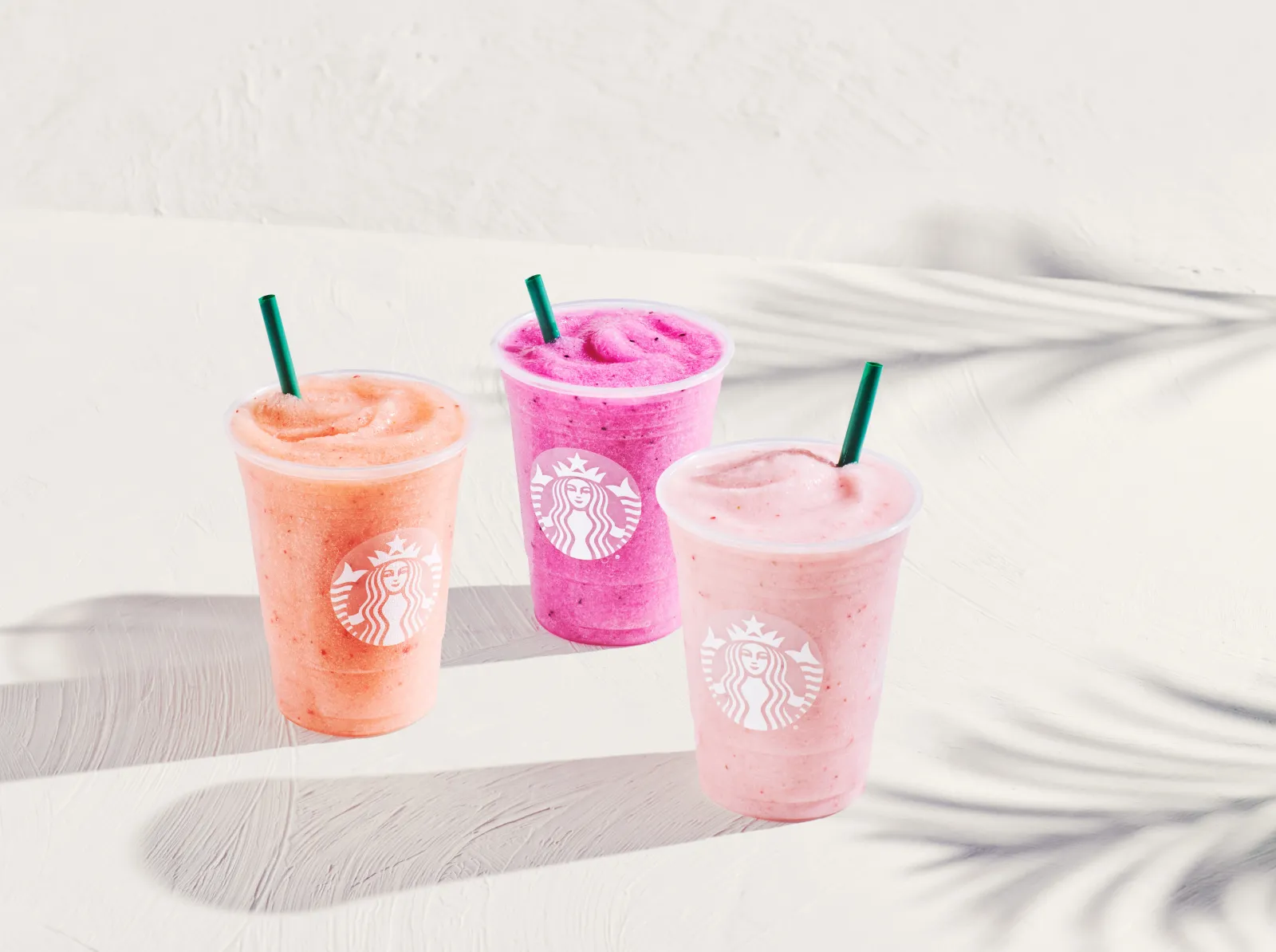
Starbucks is rolling out blended Refresher drinks starting July 14, expanding what executives describe as a $2 billion beverage platform. The change follows April's rollout of customizable Energy Refreshers and is designed to drive traffic later in the day as younger consumers increasingly treat beverages as expression.
Starbucks is about to make its Refresher line feel a lot more like a menu of possibilities. Starting July 14, customers will be able to order any Refresher drink blended, as the coffee chain expands what executives describe as a $2 billion beverage platform. This is not framed as another simple seasonal launch. It is positioned as a way to turn Starbucks into an afternoon cold-drinks destination, long after the morning coffee rush ends.
The timing matters, too. The launch follows April's rollout of customizable Energy Refreshers, which Starbucks executives said recently exceeded expectations and helped drive new customer occasions. Put bluntly: Starbucks is testing whether it can turn “cold, customizable, socially shareable” into a repeatable habit for younger customers. If the bet works, Starbucks gets more visits later in the day. If it does not, it still learns fast, because the company is already treating customer feedback and social media as a real-time signal.
Refreshers are built for exactly that strategy. They are iced juice and tea drinks that can be mixed with fruit pieces, and they have become one of Starbucks' biggest beverage businesses since launching in 2012. Starbucks says Refreshers have helped drive growth in afternoon visits, an area the company has increasingly focused on as it looks for new sources of traffic. The company also emphasizes customization as a key reason the platform is succeeding. Dana Pellicano, Starbucks' senior vice president of global product experience, told Business Insider that the success of Refreshers reflects an evolution in how customers engage with Starbucks, with a growing preference for cold, customizable beverages alongside core coffee offerings.
Starbucks is not alone in this. The move reflects a broader shift across the restaurant industry, where chains compete not just with each other for coffee occasions, but also with energy drinks, functional beverages, and social-media-fueled drink trends aimed at younger consumers. Noah Pozin, a food, agribusiness, and beverage industry consultant at Truist, put it like this: chains are competing with energy drink brands, bottled teas, functional waters, and customized soda concepts for a broader “cold, caffeinated, customizable treat” occasion. In other words, the “beverage category” is no longer a side quest. It is the front page.
That is why Starbucks is leaning into what Pellicano describes as flavor-forward, visually compelling products that are easy to personalize. Pellicano added that since Refreshers launched in 2012, Starbucks has seen increased interest in drinks that fit that description. She also pointed to how customers quickly turned customization into culture. Starbucks has cited examples such as swapping in coconut milk, which led to the creation of the Pink Drink, along with customers layering in new flavors, textures, and colors. Pellicano said social media has become a “real-time feedback loop and source of inspiration” for Starbucks, helping the company spot emerging drink trends and scale them more quickly.
This matters for executives because beverages behave differently than many food items. For younger consumers, drinks are more like personal expression and social content, alongside “functional fuel” and affordable indulgence. Pozin told Business Insider that Gen Z and millennials treat beverages this way, and that persistent inflation, housing affordability challenges, and broader economic uncertainty have pushed beverages to be a relatively accessible luxury. That creates a practical demand pattern: consumers want to experiment, customize, and discover new products without making a major purchase.
From a business standpoint, drinks also tend to carry higher margins than many food offerings, and they can help drive customer frequency throughout the day. That makes them an increasingly important growth engine for chains that need more revenue streams. Social media turbocharges the effect by making customer creations visible and shareable, which can accelerate adoption and make experimentation feel mainstream rather than niche.
The competitive landscape reinforces that urgency. Dutch Bros has expanded its energy-drink offerings, and executives say those now account for about 25% of its business. Customized soda chains have surged in popularity, and restaurant brands from McDonald's to Taco Bell are investing heavily in cold beverages. Analysts at JPMorgan and KeyBanc have pointed to a growing pipeline of innovation from both Starbucks and Dutch Bros as chains race to capture demand for customizable, functional drinks. Even Dutch Bros' own Myst Energy Refreshers are cited as representing roughly 25% of its business, underscoring that this is a market where the “cold and customizable” play can move meaningful revenue.
The strategic takeaway for leaders at any restaurant operator is straightforward: Starbucks is betting that its next growth phase will come from expanding the customization mechanics of Refreshers, not just from coffee. With blended Refreshers arriving this summer and additional innovations already in the pipeline, Starbucks is signaling that afternoon cold drinks are not a side lane. They are becoming a core growth engine. For decision-makers, the question is whether personalization can be scaled without diluting the product experience, and whether social media-driven experimentation can reliably translate into repeat traffic.
In short: Starbucks is taking a $2 billion platform and turning “choose your drink” into “blend your identity,” starting July 14.
This story's Key Insights and Take-aways are locked.
Create a free account to unlock Executive Actions for one credit.
Register to UnlockAlways free for Executives Club members. Join the Club
More in Business

Anthropic’s Levant Alpöge cracks the Jacobian conjecture after 87 years
A Harvard valedictorian used Claude to hit a 1939 breakthrough, but the missing “why” is the real problem.

Uber buys Delivery Hero for nearly $15B, vaulting to top food delivery outside China
The deal doubles Uber's dual-services footprint and pushes a ride-and-eats bundling play into 50 more markets.

Epic and Google drop settlement bid, forcing rival Android app stores by July 22
Google told the court it is ready to carry third-party app stores starting Wednesday, July 22.