
Starmer’s final PMQs turned England-Argentina into a red-card political brawl
At Keir Starmer’s last Prime Minister’s Questions, World Cup talk collided with election fallout and U.S. referee drama.
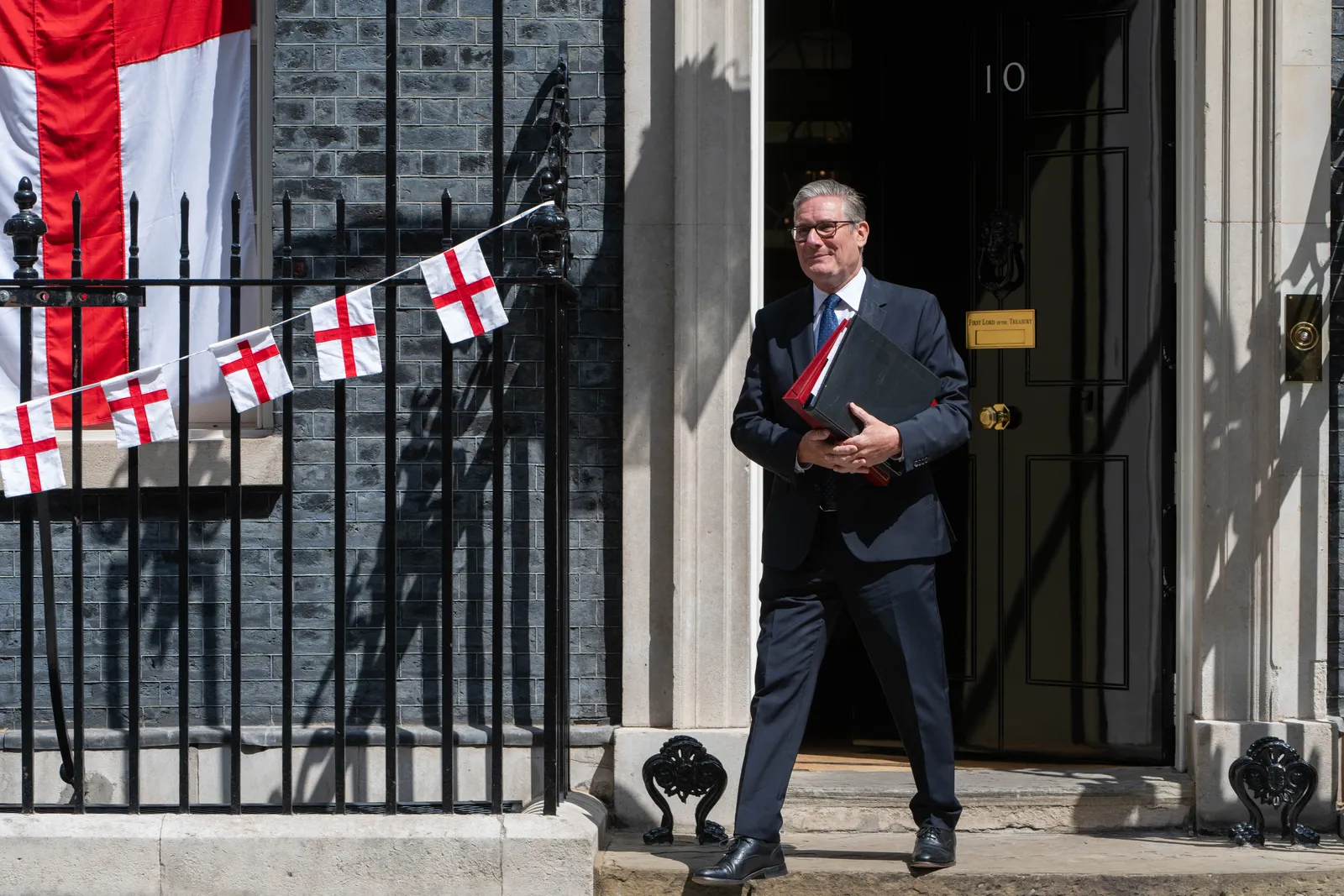
Keir Starmer used his final Prime Minister's Questions in the House of Commons to focus on tonight’s England vs Argentina World Cup semifinal, while opposition MPs reframed the moment through election and red-card narratives. The session carried a real political message: even sports banter was being used to score points on government stability and discipline.
The House of Commons basically treated tonight’s England vs Argentina World Cup semifinal like a national policy event. At Keir Starmer’s final Prime Minister's Questions as premier before he exits the top job, Speaker Lindsay Hoyle, normally impartial, said he hoped the PM would be “bringing home” World Cup victory to widespread cheers.
Starmer, a huge soccer fan who cheers for Arsenal, leaned into the match immediately. He opened Prime Minister’s Questions by stressing his “important appointment with the television” this evening to watch the game live. The point was simple, and it landed: this was his send-off, and he wanted the country focused on something he could share with everyone, starting with the most mainstream thing in the room.
Then the Commons decided to make it political anyway. Conservative MP Graham Stuart compared the prime minister to England superstar Jude Bellingham, using a sports metaphor that framed Stuart’s critique as scoreboard logic. Stuart said Starmer had “scored the winning goal, leading our team to victory,” but quickly pivoted to a “red card” line. In Stuart’s telling, Starmer had been “now been handed a red card by the 400 dodgy referees behind him,” referencing the 2024 election win followed by a Labour rebellion that helped topple him.
That “red card” framing matters more than it sounds, because it is how legislatures talk when they want to reduce complex governance to something emotionally legible. In a chamber full of procedural rules and coalition math, the sports reference becomes a shortcut for accountability. Stuart’s analogy implies not just criticism, but a narrative of rule-bending, gatekeeping, and enforcement problems. If you are an executive or board member watching politics like a risk dashboard, the signal is that the government’s internal alignment may be fragile, and discipline could be contested in the next phase.
Starmer then doubled down on the red-card theme, but he used it to talk about interventions and enforcement. He continued on the subject of red cards by saying “I can’t tell him how much incoming I had... to get the England red card adjusted.” That jab was connected to a real-world football storyline: President Donald Trump’s intervention to help overturn the suspension of U.S. striker Folarin Balogun. The structure of Starmer’s response is telling. He acknowledged the idea of changing outcomes by pressure, even as he positioned himself as someone who would not take the same route.
The PM said he didn’t follow the U.S. president’s example, after Jarell Quansah was sent off against Mexico and suspended. In other words, Starmer was drawing a line between “getting a red card adjusted” through outside help and accepting consequences through formal processes. That is not just sports talk. It is an argument about what kind of leadership he is willing to perform at the moment when he is leaving. For decision-makers, that translates into an expectation about how strictly rules will be applied, how exemptions get made, and how quickly interventions might happen. In policy terms, the enforcement-versus-intervention question always follows the person who claims they can manage it.
For executives who operate around regulators, committees, and boards, the second-order implication is straightforward: political optics can become governance mechanics. The Commons session shows how quickly attention can shift from substantive policy to the theater of who gets to rewrite outcomes. When MPs describe events as “dodgy referees” or frame interventions as decisive, they are signaling how future disputes could be contested, not through new laws, but through pressure, messaging, and procedural momentum.
There is also a timing element. This was Starmer’s last appearance at Prime Minister’s Questions before he exits the top job, which means the room was full of MPs trying to define the narrative for what comes next. Conservative MP Graham Stuart tried to lock in a story of Starmer as a winner who still faces an unavoidable enforcement problem, created by the “400 dodgy referees” behind him. Starmer, for his part, tried to position his own leadership as rule-aware and process-bound, even while discussing how red cards can be adjusted. In a chamber where every line becomes a reusable political asset, the final week of a premiership is basically a live campaign for the next chapter.
Ultimately, the stakes are less about England scoring and more about how authority is exercised under scrutiny. If you are a CEO, investor, or board lead, you care because political stability drives regulatory predictability, and predictability drives capital planning. The Commons made a show of it, but the message was there: when outcomes hinge on “referees,” the system is vulnerable to who gets believed, who gets heard, and which interventions are allowed to matter. Tonight’s match is just the hook. The underlying question is who will hold the line when the room gets loud, and how fast the rules bend when people think they deserve a different result.
This story's Key Insights and Take-aways are locked.
Create a free account to unlock Executive Actions for one credit.
Register to UnlockAlways free for Executives Club members. Join the Club
More in Politics
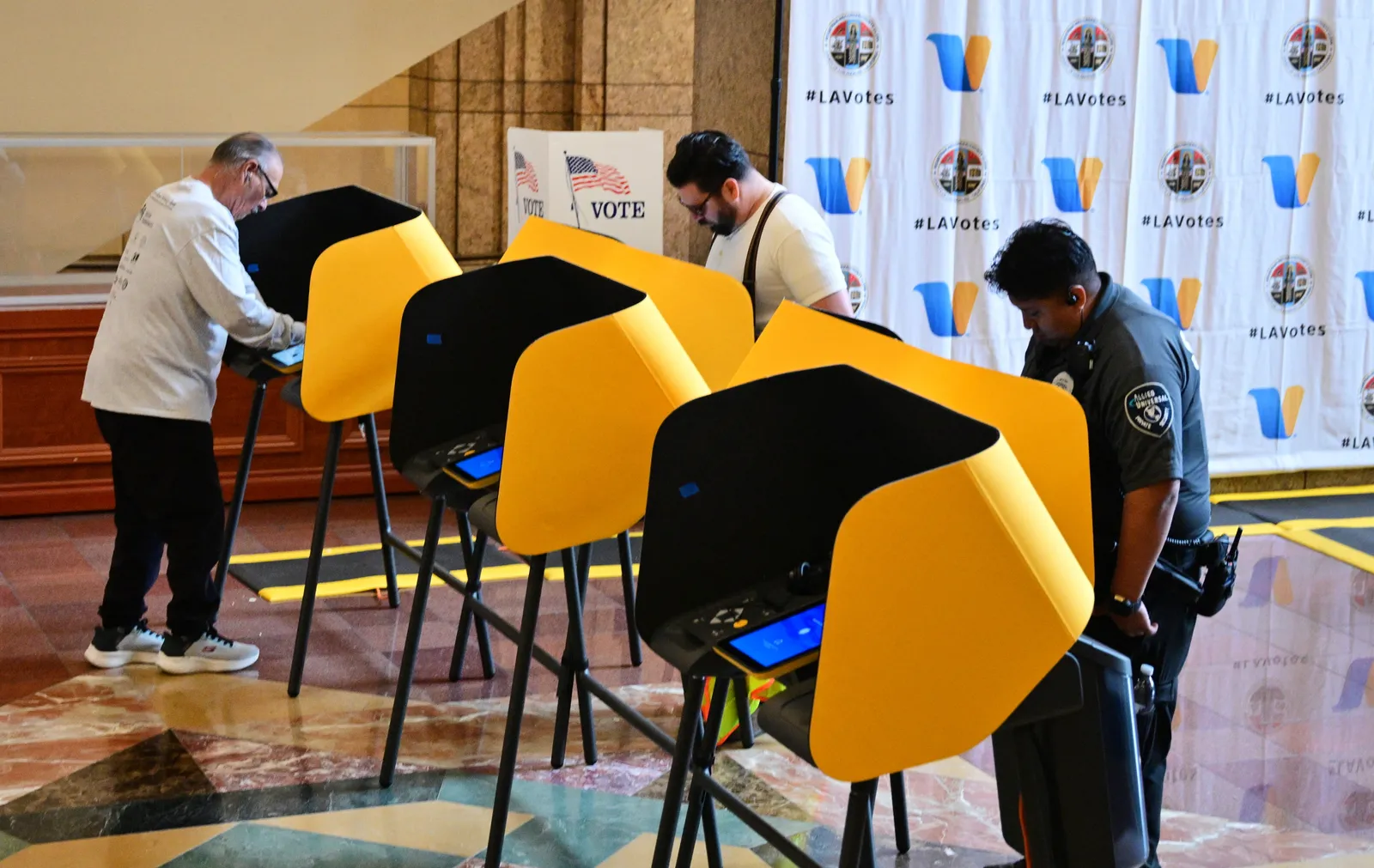
LA County: DOJ's 20,000 'noncitizen' voter list is 'unreliable,' includes U.S.-born
Preliminary review by Los Angeles County election officials finds errors in the federal list, raising the stakes for voter roll integrity ahead of November.
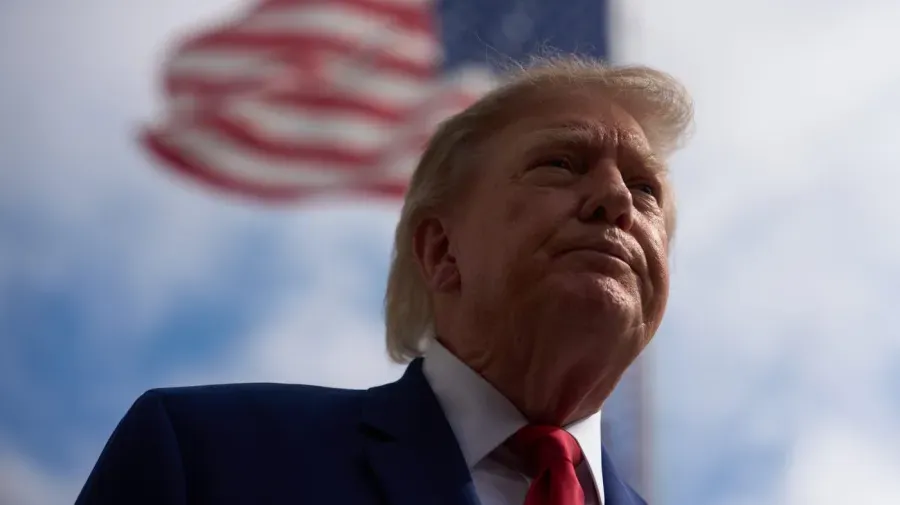
Trump's $1.5B Pentagon chip investment lands in North Carolina
A $1.5 billion defense infusion for North Carolina chipmaking signals a new era of Pentagon-backed reshoring - here's what it means for the industry.

Nigeria confirms first Ebola case in Abuja, a woman just off a Uganda flight
Health Minister Muhammad Ali Pate says the patient flew in from Uganda, putting Africa's latest outbreak on Nigeria's doorstep.