
Start-ups are betting big on geothermal heat beneath you. The real question is money
New geothermal plays promise abundant energy, but executives need to know whether the costs pencil out.
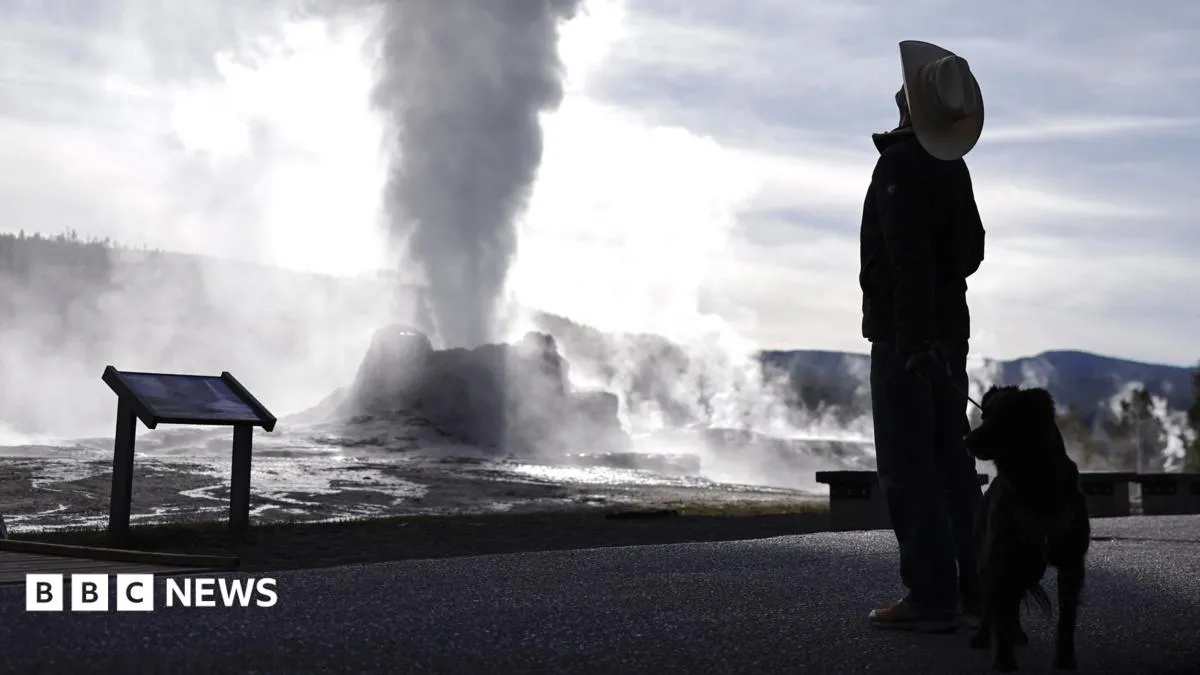
Start-ups are pursuing fresh approaches to geothermal energy that tap heat under the ground. The open question is whether geothermal economics will work well enough to justify investment and scale.
Geothermal energy has a credibility problem that has nothing to do with physics. Heat is literally under your feet, but turning that underground energy into power at a price that investors and utilities can accept is the hard part. And that is why the latest push from start-ups matters: they are taking “fresh approaches” to geothermal, trying to solve the economics puzzle, not just the engineering puzzle.
The money question is the headline stake: geothermal can be abundant, but it can also be expensive. Start-ups are effectively asking investors to underwrite a bet that better drilling, smarter reservoir management, and more efficient systems can lower cost per unit of electricity or make projects financeable sooner. If they succeed, geothermal becomes a more dependable part of the energy mix. If they do not, the industry risks repeating a familiar pattern where the resource looks promising on paper, while capital intensity and timelines make projects harder to fund and slower to deploy.
To understand why executives should care, it helps to separate two realities. The first is the abundance of geothermal energy as a resource. The second is the economics of capturing it. In many energy technologies, performance is only half the equation. The other half is whether the project’s cost structure matches the way energy markets pay for electricity. Geothermal faces the additional friction of being site-specific and infrastructure-heavy. You are not buying a commodity off a shelf. You are building something in a specific place, with drilling and development risk that can dominate early-stage budgets.
That is where start-ups are trying to change the story. “Fresh approaches” can mean different things in geothermal, but the common theme is reducing the cost and uncertainty that has historically made geothermal a tougher sell. For boards and investors, the key is not whether the tech can work in principle. It is whether it can work repeatedly, in comparable conditions, with cost and schedule outcomes that are stable enough to model.
Geothermal also sits at an intersection where regulation and permitting can make or break economics. The path from an idea to a financed power plant often involves environmental reviews, land and resource management decisions, and coordination among regulators, utilities, and local stakeholders. Even where geothermal is aligned with decarbonization goals, approvals can add time and add cost, which matters when projects are already expensive. Executives who have watched how permitting delays affect other infrastructure sectors will recognize the pattern. The technology may be progressing, but the investment case lives or dies on timelines.
Then there is the capital market reality. Investors and energy buyers typically do not pay for potential. They pay for delivered performance under contract. Geothermal developers may need to line up offtake agreements, financing structures, and risk-sharing terms that can withstand early technical setbacks. Start-ups are pushing on the operational side, but the broader investment system still needs to believe the costs will come down and the delivery timelines will hold.
The second-order implication for decision-makers is that geothermal economics will influence how aggressively capital flows into the broader clean power segment. If start-ups demonstrate that geothermal can be produced at commercially workable rates, it strengthens the case for dispatchable, low-carbon power that can complement weather-dependent renewables. If the economics remain stubbornly expensive, capital may rotate toward technologies that appear cheaper or easier to scale. That rotation can happen even if geothermal is scientifically sound, because executives manage portfolios based on risk-adjusted returns, not just mission alignment.
For peers in similar roles, the strategic stake is simple: geothermal is abundant, but expensive is a sentence that can end funding rounds. The start-ups trying new approaches are betting they can flip that sentence by changing the cost curve and reducing uncertainty. The industry, regulators, and investors will be watching not just for successful demonstration, but for signals that the economics can work at scale. If they do, geothermal stops being a niche bet. If they do not, geothermal remains a promise with a bill attached.
This story's Key Insights and Take-aways are locked.
Create a free account to unlock Executive Actions for one credit.
Register to UnlockAlways free for Executives Club members. Join the Club
More in Technology
TrampolineTales hides an elegant trap in a four-digit password game with 100+ puzzles
Dan DiIorio’s “type the right code” premise looks narrow. The puzzle variety turns it into a design flex.

Amble One brings $25,000 moon-buggy EV luxury to resorts, not highways
A Lisbon startup built by Audi and Apple-car alumni is betting the EV battleground is private roads.

FTC cleared Musk to buy Mesh Optical Technologies after early antitrust termination Wednesday
The regulator signed off fast on the SpaceX-alumni optical hardware deal that AI data centers depend on.