

Stellantis turns to Huawei and JAC for Maserati's revival
The Italian-American automaker is exploring Huawei's Harmony Intelligent Mobility platform and a JAC partnership to rescue its struggling luxury brand.

Stellantis is in talks with Huawei and JAC to revive Maserati, exploring Huawei's Harmony Intelligent Mobility platform for the luxury brand. For executives, this signals a strategic pivot toward Chinese tech and manufacturing partnerships to address Maserati's declining sales and competitiveness.
Stellantis, the Italian-American automaker behind Jeep, Fiat, and Maserati, is in talks with Chinese tech giant Huawei and automaker JAC to revive its struggling luxury brand. The company is exploring the use of Huawei's Harmony Intelligent Mobility platform, a smart driving and cockpit system, for Maserati vehicles, according to Quartz. The talks are exploratory, but they mark a potential departure from Stellantis's traditional in-house development approach, signaling a willingness to tap Chinese expertise in software and electrification.
Maserati has been a persistent drag on Stellantis's earnings, with sales sliding in key markets and the brand losing ground to rivals like Porsche and BMW in the luxury EV race. The potential partnership with Huawei and JAC could accelerate Maserati's transition to electric and software-defined vehicles, but it also raises questions about data sovereignty, brand identity, and geopolitical exposure. For a brand built on Italian craftsmanship and performance, handing the digital brain to a Chinese tech firm is a bold, even risky, move.
Huawei's Harmony Intelligent Mobility (HIMA) platform is already used by several Chinese automakers, including Seres and Changan, to power their smart EVs. It offers advanced driver-assistance systems, connected car features, and seamless integration with Huawei's ecosystem. For Maserati, adopting HIMA could bring cutting-edge tech to a lineup that has lagged in digital features. However, Huawei's blacklisting by the US government could complicate Stellantis's operations in Western markets, where security concerns around Chinese tech are mounting.
JAC Motors, a state-owned Chinese automaker, brings manufacturing experience and local supply chain access. A tie-up with JAC could provide Stellantis with production capacity in China, potentially lowering costs for Maserati models sold in the region. It could also help Stellantis navigate China's competitive EV market, where domestic brands dominate and foreign players struggle. But the talks are still early, and no deal has been finalized, leaving room for the partnership to evolve or collapse.
This move comes as Stellantis faces pressure to cut costs and streamline its portfolio. CEO Carlos Tavares has been vocal about the need for efficiency, and partnering with Chinese firms could be a way to share development costs and speed up time-to-market. Yet it also carries strategic risks: relying on Huawei, which is blacklisted in the US, could alienate Western customers and regulators. Stellantis must weigh the short-term gains of Chinese tech against the long-term implications for brand trust and market access.
The global luxury EV market is heating up, with traditional players like Mercedes-Benz and BMW investing heavily in electric models, while Chinese startups like NIO and Li Auto push into the premium segment. Maserati's current lineup, including the Grecale and the upcoming Folgore EV, has yet to make a significant dent. A partnership with Huawei could give Maserati the tech edge it needs to compete, but it also signals a broader trend of Western automakers turning to Chinese tech for software and batteries. This is not just about Maserati; it is a test case for how legacy brands can survive in an era defined by software and connectivity.
For executives in the auto industry, this development underscores the growing importance of Chinese technology partners. As the US and EU impose tariffs on Chinese EVs, partnerships like this could be a workaround, allowing Western brands to leverage Chinese tech without importing finished vehicles. It also highlights the shifting balance of power in the automotive supply chain, where software and connectivity are becoming as critical as horsepower and torque. The talks between Stellantis, Huawei, and JAC are still in early stages, but they represent a potential lifeline for Maserati. If successful, they could reshape the luxury brand's future, but they also come with geopolitical and operational complexities. For now, the industry will be watching to see if Stellantis can pull off this high-stakes pivot.
This story's Key Insights and Take-aways are locked.
Create a free account to unlock Executive Actions for one credit.
Register to UnlockAlways free for Executives Club members. Join the Club
More in Business
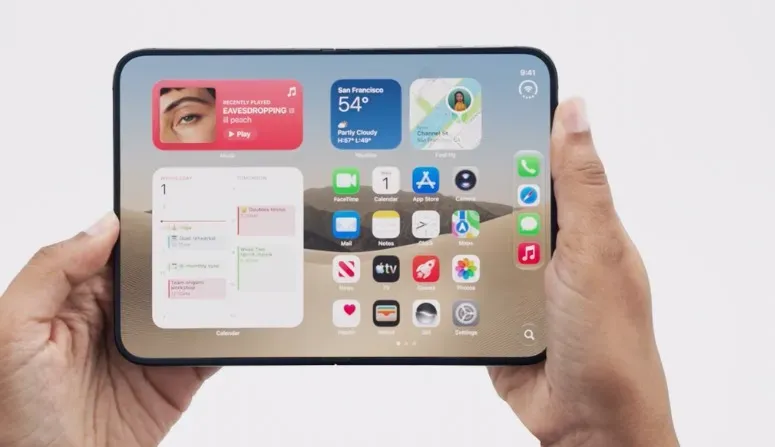
Apple unveils first foldable iPhone Duo with 7.6-inch display under new CEO Ternus
Apple's first foldable, the iPhone Duo, marks a major product bet for new CEO John Ternus, with a 7.6-inch unfolded screen.
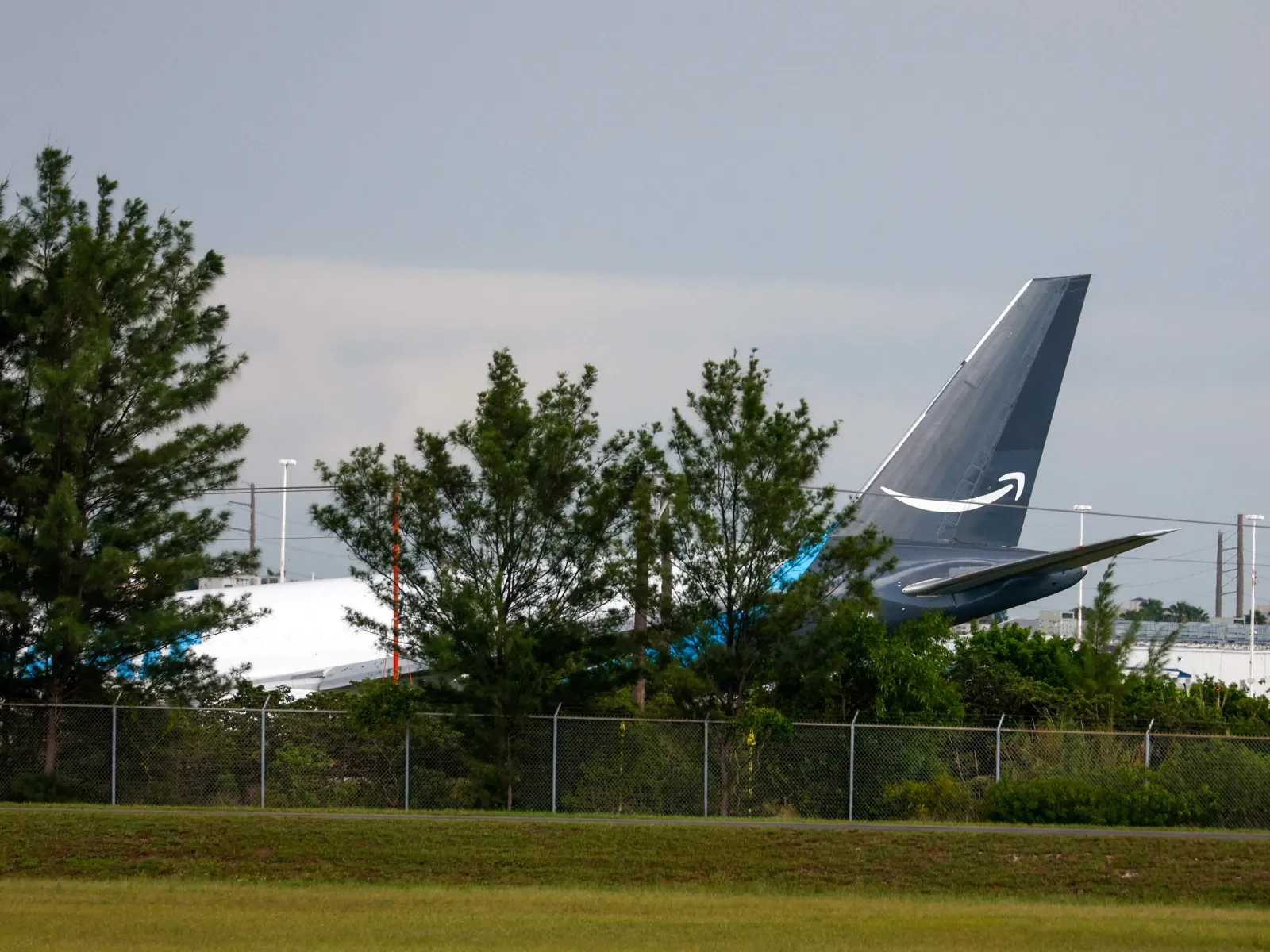
Amazon Prime Air 767 overshoots Miami runway, killing at least 5
The Boeing 767 freighter from San Juan struck vehicles and erupted in flames, prompting a ground stop and a fresh NTSB investigation into Amazon's air cargo network.

Death sentence for TV presenter Sarah Khalifa: Egypt's drug case hits media
The sentencing of Sarah Khalifa and 11 others underscores the severity of Egypt's anti-drug laws and the exposure of public figures to capital punishment.